
How To
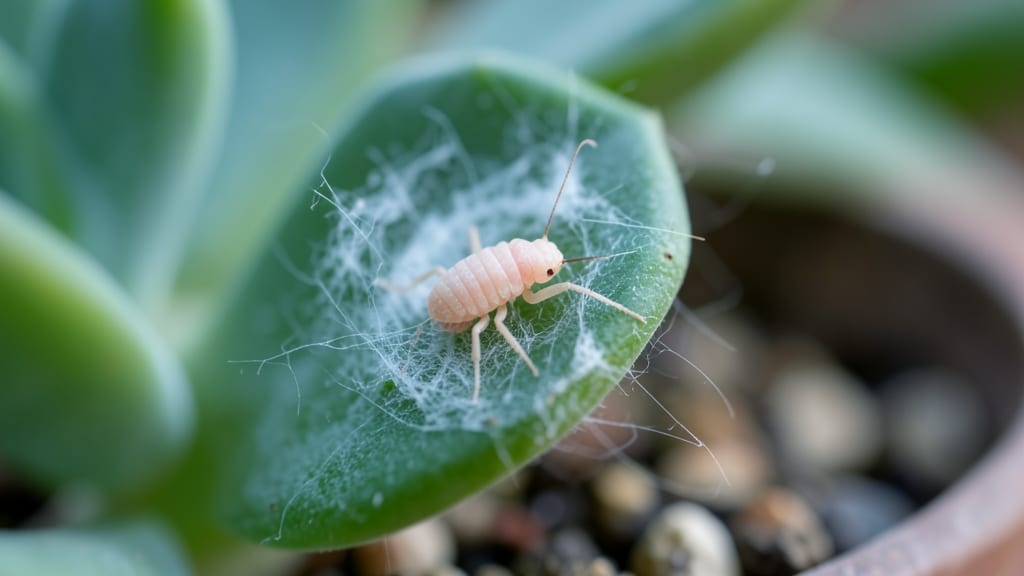
How to eliminate mealybugs on Portulacaria afra indoor plants turns its glossy leaves into sticky messes. 🌿 I’ve battled these pests for years—until I discovered how 70% isopropyl alcohol disrupts their life cycle without harming your plant. The key? Targeting the cottony clusters directly while protecting new growth. Most people over-spray or use harsh chemicals, which backfires. Instead, dab the infested areas with a cotton swab soaked in alcohol—it dissolves their protective wax coating instantly. For stubborn clusters, repeat every 3-4 days until no more cottony residue appears. By the end, your Portulacaria’s leaves will regain their deep green shine, and the sticky honeydew will disappear. The alcohol evaporates quickly, leaving no residue, so it’s safe for indoor use—just avoid oversaturating the soil. This method works for other succulents too. Here’s how to do it right without stressing your plant.
Root Causes of Mealybug Infestations
Mealybugs on your Portulacaria afra—also known as elephant bush—don’t just appear out of nowhere. These tiny, cotton-like pests thrive due to a mix of environmental factors, plant health, and even human habits.
Understanding the why behind their presence is the first step to stopping them in their tracks. Let’s break down the key triggers:
---
Mealybugs adore damp, stagnant environments. While Portulacaria afra prefers moderate humidity (around 40-50%), excessive moisture—especially around the soil or plant crevices—creates the perfect breeding ground. Here’s why:
- Condensation & Stagnant Air: If your plant sits in a bathroom, kitchen, or near a humidifier, moisture lingers on leaves and stems, making it easier for mealybugs to feed and reproduce.
Poor airflow (like crammed shelves or closed rooms) traps humidity, accelerating infestations. - Overwatering: Portulacaria afra stores water in its succulent leaves, so soggy soil (from overwatering or poor drainage) signals mealybugs that the plant is a weak, nutrient-rich target.
Root rot weakens defenses, making the plant more susceptible. - 💡 Pro Tip: Use a hygrometer to monitor humidity. If levels exceed 60%, increase airflow with a small fan or open windows.
Let the soil dry completely between waterings—stick your finger in the soil; if the top 2 inches are dry, it’s time to water.
---
A healthy Portulacaria afra has natural pesticidal compounds and a waxy cuticle that repels pests. But when the plant is stressed, mealybugs exploit its vulnerability:
- Nutrient Deficiencies: Lack of phosphorus (P) or potassium (K) weakens cell walls, making sap easier to access. Yellowing leaves or stunted growth are red flags. - Physical Damage: Bruised leaves (from rough handling or pests like spider mites) create entry points for mealybugs.
They secrete honeydew, which attracts ants—another sign of a compromised plant. - 🌱 Solution: Feed your plant a balanced, water-soluble fertilizer (like 10-10-10) every 6-8 weeks during spring/summer. Avoid over-fertilizing, which can burn roots.
---
Mealybugs hitchhike easily. Even if your Portulacaria afra was healthy yesterday, these pests can arrive via:
- Infested Plants: Buying a new plant (or accepting cuttings) without quarantining it first is a gamble.
Mealybugs hide in leaf axils or undersides, spreading silently. - Dirty Tools: Pruners, pots, or even your hands can transfer eggs or adults from one plant to another. One infested plant = risk to your entire collection. - **🔍 Prevention
Quick Fixes for Mealybug Menace
Now that you understand why mealybugs invade your Portulacaria afra (elephant bush), let’s tackle the how with practical, plant-safe solutions. These methods target the root causes—whether it’s overcrowding, poor airflow, or hidden infestations—while breaking the mealybug life cycle.
Start with the least invasive options and escalate only if needed. Prevention tips are woven in to keep your plant thriving long-term!
---
Before treating, containment is key to prevent cross-contamination. - Remove your Portulacaria afra from other plants and place it in a quarantine zone (like a bathroom or garage). - Inspect thoroughly: Use a magnifying glass to check stems, leaf axils, and undersides for cottony clusters, eggs, or tiny white bugs. - Trim infected areas with sterilized scissors (wipe with rubbing alcohol between cuts) and dispose of clippings in a sealed bag.
> 💡 Pro Tip: Mealybugs love hiding in soil crevices—gently shake the plant over a tray to spot fallen pests.
---
For small infestations, physical removal can work—just be patient! - Dampen a cotton swab with 70% isopropyl alcohol (or neem oil solution—see Step 3). - Gently dab each mealybug, focusing on leaf joints and stems.
Avoid over-wetting leaves to prevent rot. - Repeat daily for 5–7 days to catch newly hatched nymphs.
> ✨ Bonus: If bugs are stubborn, wrap a rubber band around infested stems to smother them (check after 24 hours).
---
70% isopropyl alcohol is a fast, non-toxic way to kill mealybugs on contact—especially effective for Portulacaria afra’s thick leaves. - Mix: 1 part alcohol + 3 parts water in a spray bottle. - Spray directly on bugs (avoid oversaturating soil). - Reapply every 3–4 days until no new bugs appear (alcohol evaporates quickly, so timing matters). - Ventilate the area afterward to let fumes dissipate.
> 🌡️ Warning: Test on a small leaf first—some plants may react to alcohol. If yellowing occurs, switch to soapy water (see Step 4).
---
For gentler treatment, use insecticidal soap or a homemade mix: - Store-bought option: Follow label instructions for neem oil soap (e.g., Bonide). - DIY recipe: - 1 tsp mild liquid soap (like Castile) + 1 quart water. - Add 1 tsp horticultural oil (optional, for extra stickiness). - Spray thoroughly, covering all leaf surfaces and stems.
Reapply every 5–7 days for 2–3 weeks.
> 🎯 Targeted Tip: Spray early morning so the solution dries before evening humidity (which can dilute effectiveness).
---
If mealybugs persist, they’ve likely burrowed into roots or soil.
Use a systemic insecticide to break their life cycle internally. - Apply a neem oil soil drench: - Mix 1 tbsp neem oil + 1 tsp mild soap + 1 gallon water. - Water the soil deeply (not just the leaves) to reach roots. - Repeat every 2 weeks for 3 months to starve eggs. - Alternative: Imidacloprid granules (follow package rates)—use sparingly (toxic to pets/children).
> 🚨 Caution: Avoid systemic pesticides if you have pets or kids—opt for neem oil instead.
---
Once your Portulacaria afra is mealybug-free, prevent reinfestation with these habits: | Cause | Fix | Prevention Tip | |-------------------------|-----------------------------------------|---------------------------------------------| | Poor airflow | Move plant to a bright, breezy spot | Avoid cramming plants together. | | Overwatering | Let soil dry 50% between waterings | Use a well-draining mix (cactus soil). | | Weakened plant | Fertilize lightly (balanced 10-10-10) | Skip fertilizer in winter (dormant phase). | | New plants | Quarantine new additions for 2 weeks | Inspect leaves/stems before introducing. | | Dust buildup | Wipe leaves monthly with damp cloth | Reduces hiding spots for pests. |
> 🌟 Golden Rule: Copper tape around pots repels pests—wrap it 1 inch above soil for extra protection!
--- Final Note: Consistency is key! Mealybugs reproduce fast, so stick to your treatment schedule for at least 4–6 weeks to ensure their life cycle is fully disrupted. Your Portulacaria afra will bounce back with glossy, pest-free leaves in no time!
Frequently asked questions
Why does my Portulacaria afra keep getting mealybugs even after treatment?
Mealybugs reproduce quickly—just one adult can lay hundreds of eggs hidden in leaf crevices or soil. If you stop treatment too soon, new nymphs will hatch. Always treat for 4-6 weeks and check undersides of leaves and stems regularly. Eggs may survive on untreated areas.
Is 70% isopropyl alcohol safe for Portulacaria afra leaves?
Yes, but use it carefully! Pure alcohol can dry out leaves, so always dilute it (1:3 ratio with water) and test on a small leaf first. Avoid spraying directly on soil or new growth. The alcohol evaporates quickly, leaving no residue, making it safe for indoor use when used properly.
How do I know if mealybugs are in the soil and not just on the leaves?
Look for these signs: sticky residue on pots or soil surface (honeydew), tiny white bugs crawling on the soil, or ants (they farm mealybugs). Gently shake the plant over a white tray—if you see mealybugs falling, they're likely in the soil. Treat with a neem oil soil drench to reach hidden pests.
Can I use dish soap to kill mealybugs on my Portulacaria afra?
Yes, but only mild, plant-safe dish soap (like Castile soap) mixed with water (1 tsp per quart). Regular dish soap can damage leaves. Spray thoroughly and reapply every 5-7 days for 2-3 weeks. The soap disrupts their protective wax layer, but it won't kill eggs—combine with alcohol swabs for better results.
Will mealybugs spread to my other houseplants?
Absolutely—they hitchhike easily! Isolate infested plants immediately and inspect nearby plants for cottony clusters. Clean tools and hands with rubbing alcohol after handling the infected plant. Mealybugs can spread through air currents or physical contact, so act fast to prevent an outbreak.