
Propagation
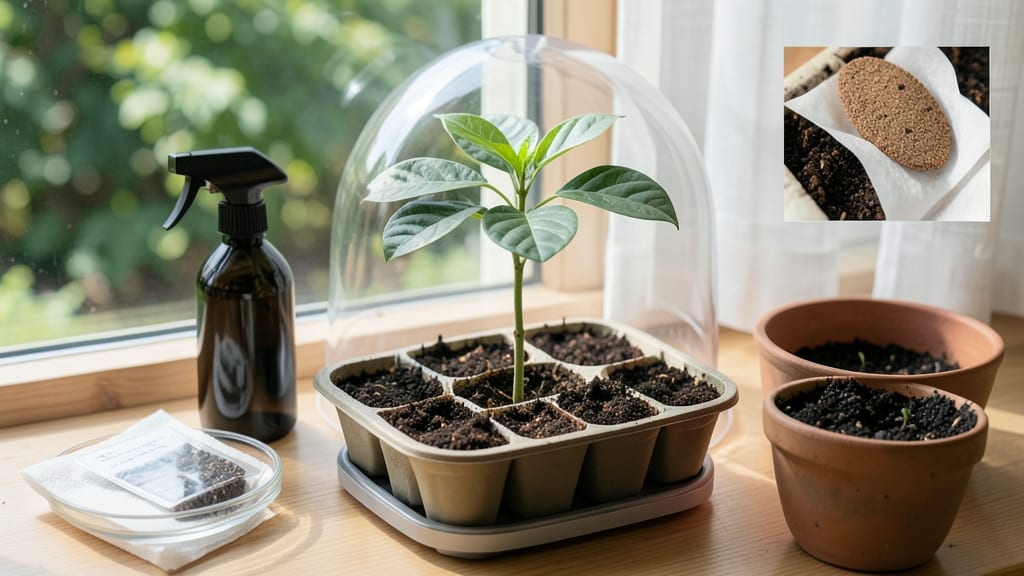
Germinating soursop seeds feels like waiting for a slow-moving train—until you know the tricks. ✨ The secret to breaking through that stubborn shell isn’t patience alone, but warmth and moisture working together to coax those tiny roots awake.
I’ve struggled with this myself, watching seeds sit for months before finally cracking open, but now I’ve got a system that cuts that wait in half.
Start by soaking your seeds in warm water for 24 hours—this softens the hard outer layer so water can penetrate. Then, plant them just beneath the surface in a moist, well-draining mix (think peat or coconut coir), and keep the soil warm—80-85°F is ideal.
A heat mat or even a sunny windowsill can help, but consistency is key. Without warmth, germination can drag on for 6 months or more—and nobody wants to wait that long.
Within 2-4 weeks, you’ll start seeing those first green shoots poke through, and by 6-8 weeks, you’ll have sturdy seedlings ready for their own pots. The payoff?
A tropical tree in your backyard that’ll reward you with fragrant white flowers and sweet, custard-like fruit—if you play your cards right. The trickiest part is resisting the urge to overwater; soursop seeds hate soggy soil.
This method works best in zones 10-11, but with a little extra care—like moving pots indoors during cold snaps—you can try it almost anywhere. The real magic happens when you see those first leaves unfurl, proof that your patience (and warmth) paid off. Now, let’s get those seeds sprouting!
📚 In This Guide
- What you need
- Instructions
- Tips and common mistakes
- Wrapping up and next steps
What you need
- ● Fresh soursop seeds (3–5): Extract from ripe, organic soursops—avoid dried or stored seeds.
- ● Well-draining potting mix (2–3 gallons): Use a blend of peat moss, perlite, and coconut coir (ratio: 3:1:1) for aeration.
- ● Small seed trays or biodegradable pots (4–6): 2–3 inches deep with drainage holes.
- ● Spray bottle (8 oz): For gentle, even moisture application.
- ● Plastic wrap or humidity dome: Keeps seeds cozy while sprouting.
- ○ Heating mat (optional but recommended): Set to 75–85°F to mimic tropical warmth.
- ● Grow lights or sunny windowsill: Provide 8–12 hours/day of indirect light post-germination.
- ● Seed scarifier: Lightly nick seed coats to speed up germination (if seeds are hard).
- ● Fungicide (e.g., neem oil spray): Prevents mold in humid conditions.
- ● pH meter: Ideal mix pH: 5.5–6.5.
- ● Notebook & pen: Track moisture, temperature, and sprout progress!
Step-by-step instructions for germinating soursop seeds
Here’s how I’ve learned to coax stubborn soursop seeds into sprouting—using warmth and moisture tricks that cut waiting time in half.
🌱 Step 1: Extract and Prepare the Seeds
Remove the seeds from fresh soursop fruit—never use dried or fermented seeds, as they lose viability quickly. The seeds have a thick, hard shell that slows germination, so I soak them in lukewarm water for 24-48 hours to soften the outer coating. Change the water every 12 hours to prevent mold. You’ll see the shell slightly loosen and darken when it’s ready.
After soaking, gently rub the seeds between two layers of paper towel to remove any remaining pulp. This step prevents rot while keeping the seed moist. Place them on a clean paper towel and fold it to create a pouch—this mimics the humid conditions they need to break dormancy.
💧 Step 2: Create a Warm, Humid Environment
Soursop seeds thrive in warmth, so I place the folded paper towel with seeds inside a clear plastic bag and seal it loosely—just enough to trap moisture but allow a little airflow. Store the bag in a spot where the temperature stays between 75-85°F, like near a sunny window or on top of a refrigerator.
Check the seeds daily. The paper towel should stay damp but not soggy—squeeze it gently to test. If it feels dry, mist lightly with room-temperature water and reseal. Germination can take 2-4 weeks, but with consistent warmth and moisture, you’ll spot the first tiny root emerging from the seed’s base.
☀️ Step 3: Transplant Sprouted Seeds
Once the root reaches about ½ inch long, it’s time to plant. Fill a small pot (around 3-4 inches deep) with a light, airy mix of 50% peat moss and 50% perlite—this prevents root rot while keeping moisture balanced. Make a small hole with your finger, about ½ inch deep, and place the seed with the root facing downward.
Cover the seed lightly with soil, leaving the top half exposed. Press gently to secure it, then water thoroughly until moisture seeps from the drainage hole. Place the pot in bright, indirect light—direct sun can scorch the delicate sprout. Within 7-10 days, you should see the first true leaves unfurl.
🌿 Step 4: Maintain Ideal Growing Conditions
Keep the soil consistently moist but never waterlogged—soursop seedlings hate soggy roots. I use a spray bottle to mist the soil when the top inch feels dry to the touch. A humidity dome or plastic wrap over the pot helps retain moisture while the seedling establishes itself. Once the second set of leaves appears, remove the dome to encourage stronger growth.
After 4-6 weeks, when the seedling reaches 4-6 inches tall and shows signs of new leaves, it’s ready for a larger pot or outdoor planting in a warm climate. Harden it off gradually by exposing it to outdoor conditions for 1-2 hours daily over a week before permanent relocation.
Tips & tricks for perfect soursop seed germination
Real talk: I’ve watched soursop seeds fail more times than I’d like to admit—until I cracked the code on moisture control and temperature consistency. Here’s what nobody tells you about getting those stubborn seeds to sprout reliably.
Soaking Strategy: The 24-48 hour soak isn’t just about softening the shell—it’s about breaking the seed’s natural dormancy. I’ve found that using lukewarm water (not hot) prevents shocking the seed while still softening the outer coating. Change the water every 12 hours to prevent mold, but don’t overdo it—this is where most people give up when they see dark water. That’s normal! Just rinse and refresh.
Temperature Matters: That 75-85°F range is non-negotiable for soursop seeds. If your home runs cooler, place the sealed bag near a sunny window or on top of your fridge (not inside). I’ve seen seeds sprout in just 10 days when kept at the upper end of this range, but they can take 3-4 weeks if too cool. A simple thermometer near the bag helps—no guessing games.
Transplant Timing: Wait until the root reaches ½ inch long before planting—this ensures the seedling has enough energy to establish itself. I’ve made the mistake of transplanting too early, and those delicate roots just wither. When you do plant, leave the top half of the seed exposed; this prevents rot while allowing photosynthesis to begin immediately. The 7-10 days for first leaves is your reward for patience.
Humidity Hack: That plastic bag isn’t just for moisture—it’s creating a microclimate. If you notice condensation forming on the inside, you’re doing it right. But here’s the secret: poke a tiny hole in the bag after the first week to prevent mold while keeping humidity high. I use a clean toothpick—it’s the perfect size for controlled airflow.
Pro Tips for Germinate Soursop Seeds
- Real talk: I’ve watched soursop seeds fail more times than I’d like to admit—until I cracked the code on moisture con...
- Soaking Strategy: The 24-48 hour soak isn’t just about softening the shell—it’s about breaking the seed’s natural dor...
- Temperature Matters: That 75-85°F range is non-negotiable for soursop seeds. If your home runs cooler, place the seal...
Frequently asked questions
Got questions about germinating soursop seeds?
You’re not alone! Here are answers to the most common concerns—so you can troubleshoot like a pro and grow your tropical tree with confidence.
How long does it take for soursop seeds to germinate?
Patience is key! Soursop seeds typically sprout within 4–12 weeks, depending on warmth (70–85°F) and moisture. Some seeds take longer—don’t give up! Use a heat mat or warm spot (like near a sunny window) to speed things up. Pro tip: Soak seeds overnight before planting to kickstart germination.
Can I germinate soursop seeds in water?
Yes! Soaking seeds in lukewarm water for 24–48 hours softens the hard outer shell, helping roots break through faster. Change the water daily to prevent mold. Once sprouted (tiny white roots appear), plant them in moist soil. Warning: Avoid over-soaking—seeds can rot if left too long.
What if my soursop seed doesn’t sprout?
Don’t toss it yet! Try these fixes:
- Check viability: Squeeze the seed—if it’s hard and dry, it may be dead. A soft, slightly damp seed has a better chance.
- Adjust conditions: Increase warmth (use a seedling heat mat) or improve drainage (add perlite to soil).
- Try scarification: Lightly scratch the seed coat with sandpaper to help water penetrate.
Can I grow soursop from store-bought fruit?
Just clean the seeds thoroughly—rinse off any fruit pulp and let them dry for 1–2 days to prevent mold. Store-bought seeds work, but organic or locally sourced seeds may germinate faster (some commercial seeds are treated to slow sprouting).
Do soursop seeds need light to germinate?
Nope! Seeds germinate best in darkness—light comes later. Keep your planted seeds in a warm, shaded spot (like a propagator or covered tray) until sprouts emerge (about 1–2 inches tall). Only then should you move them to bright, indirect light.
Where’s the best place to grow a soursop tree?
Soursop trees thrive in USDA Zones 10–11 (tropical climates) but can be grown in containers and brought indoors in cooler months. If you’re in a colder zone, plant in a pot with well-draining soil and move it to a sunny spot (like a greenhouse) during winter. Fun fact: They’re sensitive to frost—protect young trees with frost cloth!
Wrapping up and next steps
Germinating soursop seeds is a rewarding journey that combines patience with a few clever tricks—like warmth, moisture, and a dash of creativity!
By following the steps above, you’ll give your seeds the best shot at sprouting into a thriving tropical tree. Don’t let a few hiccups discourage you—even experienced gardeners face setbacks, but persistence pays off.
Now that you’re armed with knowledge, take the next step: plant your sprouted seeds in well-draining soil and nurture them under bright, indirect light. Watch as your little soursop seedlings grow into something extraordinary—your very own tropical treasure! 🌱✨