
Succulent
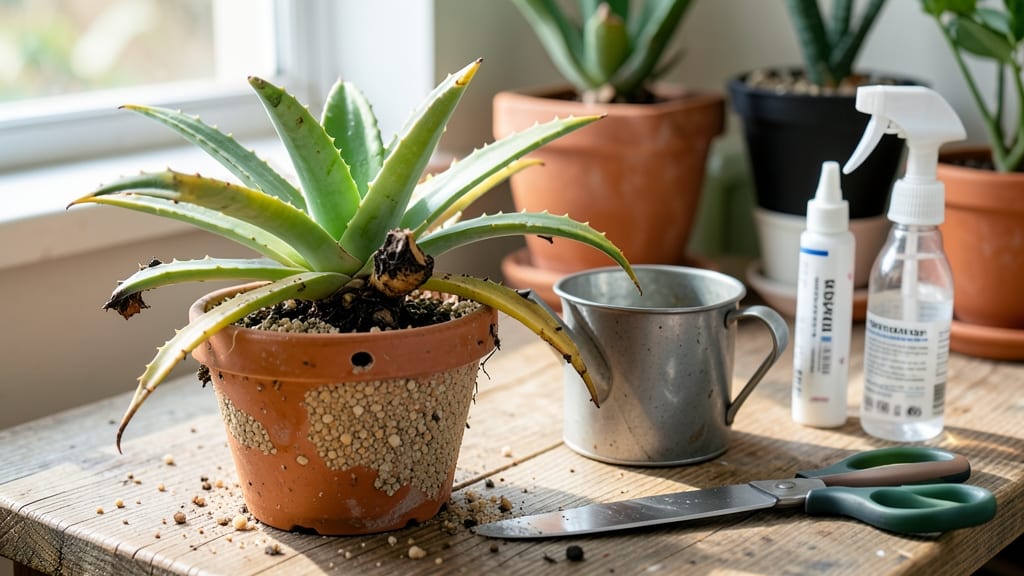
How to fix an overwatered aloe plant—those sad, mushy leaves are a cry for help, but don’t panic. I’ve nursed back dozens of these plants from the brink, and the key is acting fast—within 24 hours, you can stop the rot and revive those roots before it's too late.
The first step is brutal honesty: stop watering immediately. Then gently remove the plant, shake off soggy soil, and inspect the roots—black, mushy ones need trimming. Repot in fresh, gritty cactus mix (think 50% perlite or pumice) to help drainage, and place it somewhere bright but out of direct sun.
Within 3 days, you'll see the difference: crisp, upright leaves and a root system that's drying out properly. The secret is patience—aloes store water, so they'll bounce back faster than you think. Just keep watering every 3-4 weeks (yes, really) and watch it thrive.
Prevention is simple: bigger pots with drainage holes, well-draining soil, and the "finger test"—stick your finger an inch deep before watering. Trust me, your aloe will thank you with vibrant green leaves for years to come.
Root Causes of Overwatering
Overwatering your aloe plant isn’t just a minor mistake—it’s a silent killer that disrupts the plant’s natural balance. Aloe vera thrives in arid conditions, and when watered excessively, its delicate root system struggles to adapt.
Understanding why this happens is the first step to preventing it. Let’s break down the key factors that lead to soggy soil and stressed succulents.
Aloe plants are succulents, meaning they evolved to store water in their leaves—not their roots. When planted in soil that retains too much moisture (like regular potting mix or clay-heavy blends), water lingers around the roots instead of draining away.
This creates a suffocating environment where roots can’t breathe, leading to root rot—a fungal or bacterial infection that turns healthy roots mushy and brown.
Even worse? Many gardeners use pots without drainage holes. Without an escape route for excess water, the soil stays perpetually damp, mimicking a swampy habitat that aloe plants despise. Actionable fix: Always use a cactus or succulent mix (with perlite, pumice, or sand) and repot into containers with drainage holes.
Aloe plants are drought-tolerant, but that doesn’t mean they enjoy a daily drink. Overwatering often stems from a lack of patience—watering at the first sign of wilting or sticking to a rigid schedule (like every week, rain or shine).
Aloe roots need time to dry out completely between waterings. In fact, they can survive months without water in ideal conditions!
Here’s the science: Aloe leaves store water, and their roots absorb moisture only when the soil is fully dry.
If you water before the top 2–3 inches of soil are dry, you risk drowning the roots. Pro tip: Stick your finger in the soil—if it’s damp past 1 inch deep, wait another week.
Aloe plants are native to desert regions, where temperatures soar and humidity is low. When grown in cool, humid environments (like bathrooms or basements), the air doesn’t evaporate excess moisture quickly enough. This slows down soil drying, trapping water around the roots.
Even indoor heating can backfire: Dry air might make leaves crispy, but if you overcompensate by watering more frequently, you’re undoing the plant’s natural drought resistance. Solution: Place your aloe in a bright, warm spot (60–80°F) with low humidity—think sunny windowsills, not steamy showers.
Not all watering methods are equal. Some habits accidentally flood aloe roots:
- Top-watering only: Pouring water on the leaves or soil surface can cause runoff that pools at the bottom of the pot, leaving roots waterlogged.
- Bottom-watering without monitoring: While this method encourages deep root hydration, leaving the plant sitting in a saucer of water for hours is a fast track to rot.
- Using ice cubes or misting: Aloe leaves are porous and can absorb excess moisture through their skin, mimicking overwatering from the outside.
Fix it: Water sparingly at the soil base (not the leaves) and empty saucers immediately after watering. Let the plant drink for 10–15 minutes, then discard any remaining water.
A pot that’s too large holds more soil, which stays moist longer. If your aloe is in a 12-inch pot but its root ball is only 3 inches wide, the extra soil acts like a sponge, soaking up and retaining water for weeks.
This is especially true for terracotta pots, which can wick away moisture—but only if they’re the right size and have drainage.
Rule of thumb: Use a pot that’s only 1–2 inches wider than the plant’s root base. If you’re repotting, choose a container that’s no more than 25% larger in diameter. For mature aloes, a 6–8 inch pot is often sufficient.
Revive Your Aloe Plant Fast
Overwatering can turn your aloe vera from a thriving succulent into a sad, mushy mess—but don’t panic! With the right steps, you can nurse it back to health in just 3 days.
Below, we’ll match common overwatering symptoms to targeted fixes, plus pro tips to keep your plant happy long-term.
---
Cause: Overwatering weakens cell walls, causing leaves to collapse or turn translucent. Fix: 1. Stop Watering Immediately 🚫💦 – No more H₂O until roots recover. 2. Repot in Fresh, Dry Soil 🏺✨ - Remove the plant gently from its pot. - Shake off 90% of the old soil to expose roots. - Trim any black, mushy roots with sterilized scissors (healthy roots are firm and white). 3. Use a Well-Draining Mix 🌱🔥 - Repot in a cactus/succulent blend (add perlite or pumice for extra drainage). - Choose a terracotta pot (porous clay helps wick away moisture).
Prevention Tip: 💡 Wait until the top 2 inches of soil are bone-dry before watering again—aloe stores water in its leaves, not roots!
---
Cause: Soggy soil suffocates roots, leading to rot (often smelly or slimy). Fix: 1. Air-Dry the Roots 🌬️⏳ (24–48 hours) - Lay the plant on a paper towel or clean surface to let excess moisture evaporate. - Avoid direct sunlight—this stresses the plant further. 2. Apply Fungicide (Optional) 🧴🛡️ - Spray hydrogen peroxide (3%) on roots to kill fungus (let it dry completely). - Or use a succulent-safe fungicide (follow label instructions). 3. Repot in Sterile Soil 🔄🌿 - Use new, dry potting mix (never reuse old soil—it may harbor pathogens). - Water sparingly for the next 7–10 days (bottom-watering reduces rot risk).
Pro Tip: ✨ Bottom-watering (placing the pot in a tray of water for 10 mins) gives roots control over hydration—no more guesswork!
---
Cause: Overwatering + poor airflow = weak leaves that dry out unevenly. Fix: 1. Trim Damaged Leaves ✂️🌿 - Snip off brown, crispy, or hollow leaves at the base with clean scissors. - Healthy leaves should be plump, upright, and slightly firm. 2. Boost Air Circulation 🌬️💨 - Move the plant to a bright, indirect spot (no drafts). - Use a small fan on low setting (2–3 hours/day) to dry leaves faster. 3. Water Only When Soil is Bone-Dry 📅💧 - Stick your finger 1–2 inches deep—if dry, water once every 3–4 weeks (less in winter).
Prevention Tip: 🎯 Group aloe with other succulents—they share similar water needs and create a microclimate!
---
Cause: Advanced root rot releases toxins, making the soil (and pot) foul-smelling. Fix: 1. Clean the Pot Thoroughly 🧼🔥 - Scrub with soapy water or vinegar solution (1:1 ratio). - Rinse and sun-dry for 1 hour to kill bacteria. 2. Repot in a New Container 🏺🆕 - If the pot is cracked or retains moisture, replace it (plastic traps dampness). 3. Monitor for 2 Weeks 📊👀 - Check for new growth (a good sign!) or further rot (bad sign—repeat steps).
Emergency Tip: 🔥 If roots are 90% rotten, propagate healthy leaves instead—your aloe may not recover, but you can grow new plants from cuttings!
--- Final Reminder: 🌱 Patience is key! Aloe plants are resilient—with the right care, they’ll bounce back in 1–3 weeks. Once revived, water like a desert dweller: less is more! 🏜️💧
Frequently asked questions about reviving an overwatered aloe
How quickly can I tell if my aloe plant is overwatered?
Check for these 3 key signs within 24–48 hours: mushy, translucent leaves; black or brown roots when you gently remove the plant; and a foul, damp smell from the soil. If you see yellowing at the base or leaves collapsing like wet paper, act fast—root rot spreads quickly.
Can I save an aloe with 90% rotten roots?
It’s possible but unlikely. If 90% of roots are black/mushy, try propagating healthy leaves instead. Cut a leaf at the base, let it callus for 2 days, then place it in dry soil. The plant may not recover, but you’ll get new growth from the cuttings!
What’s the best soil mix for preventing future overwatering?
Use a 50/50 blend of cactus/succulent mix and perlite or pumice. This creates air pockets that prevent soil from staying soggy. Avoid regular potting soil—it holds too much moisture. For extra insurance, add a handful of coarse sand or chicken grit.
How often should I water my aloe after fixing overwatering?
Wait until the top 2–3 inches of soil are completely dry—this could be 3–4 weeks in summer or 6–8 weeks in winter. Use the finger test: stick your finger in the soil; if it’s damp past 1 inch, wait longer. Aloe stores water in its leaves, not roots!
Will my aloe ever look the same after overwatering?
Yes! With proper care, your aloe will regrow healthy leaves within 2–4 weeks. Focus on crisp, upright new growth—these are your plant’s way of saying “thank you.” The old damaged leaves won’t return, but the plant will thrive with consistent dry soil and bright light.