
Size
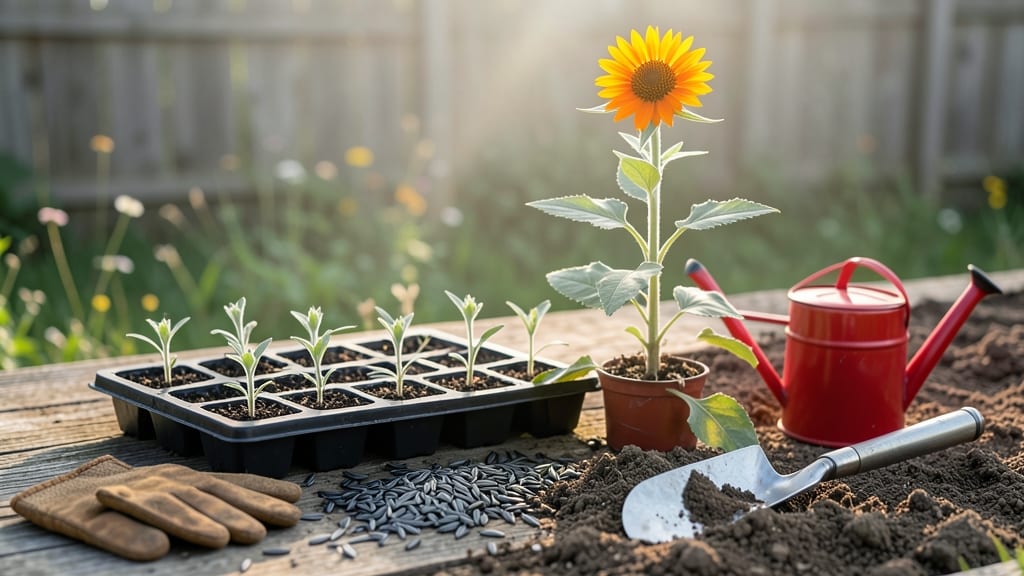
How to grow safflower from seed is like planting a sunburst in your garden. 🌻 These cheerful annuals thrive in hot, dry conditions where other flowers might wilt, and they reward you with bold golden blooms that last for weeks. My first batch self-seeded so aggressively I now have a permanent patch—no replanting needed for years. The secret to happy safflowers starts with well-draining soil and full sun (at least 6 hours daily). They’re drought-tolerant once established, but young seedlings need consistent moisture to prevent leggy growth. I plant mine in late spring after the last frost, spacing seeds 12–18 inches apart—they’ll reach 3–5 feet tall with minimal fuss. By midsummer, you’ll have towering stems topped with satiny yellow-orange blooms that attract pollinators while adding drama to cut flower arrangements. The flowers close at night and reopen in the morning, making them a fascinating addition to any sunny border. Perfect for low-maintenance gardens, wildlife-friendly spaces, or even as a living mulch between taller perennials. Their drought resistance and long bloom time make them a standout annual worth growing just once—you’ll be hooked.
📚 In This Guide
- What you need
- Instructions
- Tips and common mistakes
- Wrapping up and next steps
What you need
- ● Safflower Seeds: Choose certified organic or heirloom varieties (e.g., Carthamus tinctorius). Start with 50–100 seeds for a small patch or 1 lb (450g) for larger harvests.
- ● Well-Draining Soil: Test soil pH (ideal range: 6.0–7.5). Amend with compost if needed (aim for 2–3 inches of organic matter mixed into the top 6–12 inches of soil).
- ● Sunlight: A full-sun location (6+ hours of direct sunlight daily)—safflowers thrive in hot, sunny spots!
- ● Water: Drip irrigation or soaker hoses (avoid overhead watering to prevent mildew). Aim for 1–1.5 inches of water per week.
- ○ Fertilizer: Low-phosphorus, balanced fertilizer (e.g., 5-5-5 or 10-10-10) at planting and mid-season. Optional: Add a low-nitrogen bloom booster (like fish emulsion) for larger flowers.
- ● Garden Bed Prep: Broadfork or tiller to loosen soil (especially in clay-heavy areas).
- ● Planting Aid: Seedling trays or biodegradable pots for starting indoors (if in cooler climates).
- ● Support: Stakes or cages (if growing tall varieties like ‘Benihikar’ for seed heads).
- ● Pest Control: Neem oil or insecticidal soap (for aphids or spider mites). Pro tip: Companion plant with marigolds or basil to deter pests! 💡
- ● Harvest Tools: Pruners or sharp scissors for cutting seed heads.
Step-by-step instructions for growing safflower from seed
Here’s how I grow safflower—bold, drought-tolerant, and perfect for cutting gardens or bird-friendly landscapes.
🌱 Step 1: Choose the Right Location and Prepare Soil
Safflower thrives in full sun (at least 6-8 hours daily) and well-draining soil. I always pick the sunniest, warmest spot in my garden because safflower hates soggy roots. Amend heavy clay soil with compost to improve drainage—this plant despises waterlogged conditions.
Loosen the soil to a depth of 12 inches with a garden fork, removing any rocks or debris. Safflower roots grow deep, so aerated soil prevents crowding. If your soil is sandy, mix in a little organic matter to help retain moisture without suffocating the roots.
🌱 Step 2: Plant Seeds at the Correct Depth and Spacing
Sow seeds ¼ inch deep, spacing them 12-18 inches apart in rows 18-24 inches apart. Safflower doesn’t transplant well, so direct-sowing is best. I plant mine after the last frost when soil temperatures reach 60°F or warmer—cold soil delays germination.
Drop 2-3 seeds per hole (they germinate unevenly) and cover lightly with soil. Press gently to ensure good seed-to-soil contact. Water lightly to settle the soil, but avoid soaking—overwatering at this stage can cause seeds to rot before sprouting.
☀️ Step 3: Provide Consistent Water and Minimal Care
Once seedlings emerge (in 7-14 days), water deeply once a week—safflower is drought-tolerant but looks best with steady moisture. Let the top 2 inches of soil dry between waterings to prevent fungal issues. I water in the early morning to reduce evaporation and fungal risks.
Fertilizer isn’t necessary unless your soil is poor. If you do fertilize, use a balanced 10-10-10 at planting and again when flowers appear. Too much nitrogen encourages leafy growth at the expense of those stunning blooms.
✂️ Step 4: Deadhead for Continuous Blooms and Harvest Seeds
When flowers fade, snip spent blooms at the base to encourage more flowers. Safflower produces bold, daisy-like blooms that last weeks if deadheaded regularly. I wear gloves—those stems are prickly!
For seed harvest, leave 5-10 mature flower heads on the plant. Once they turn brown and dry (usually 60-90 days after planting), cut the entire stem and hang upside-down in a dry, airy place. Shake the heads occasionally to release seeds—save them for next year or use them in birdseed mixes.
🌿 Step 5: Monitor for Pests and Enjoy the Rewards
Safflower is generally pest-resistant, but watch for aphids or spider mites in dry conditions. A strong spray of water usually knocks them off. If needed, use neem oil—it’s safe and effective. Birds adore the seeds, so I plant safflower near bird feeders for a natural food source.
These plants grow 3-5 feet tall, making them perfect for cut flowers or tall garden accents. The golden-yellow blooms last 2-3 weeks per stem when cut fresh—ideal for bouquets. I always leave a few for the bees; they love the nectar.
Tips & tricks for perfect safflower growth
These sun-loving annuals reward patience with stunning blooms—here's how to maximize their potential.
Location is Everything: While safflower thrives in full sun (6-8 hours daily), not all sun is equal. I've found the southern side of my garden gets the hottest afternoon sun, which actually helps safflower produce more vibrant blooms. If your area has intense afternoon heat, consider providing afternoon shade during the hottest summer months to prevent stress on the plants.
Soil Prep Secret: The 12-inch deep soil preparation isn't just about depth—it's about creating the perfect environment for those deep-growing roots. I always mix in a handful of mychorrhizal fungi powder when loosening the soil. This beneficial soil fungus helps the roots absorb nutrients more efficiently, leading to stronger plants that can better withstand drought conditions once established.
Timing for Germination: Planting after the last frost when soil temperatures reach 60°F is crucial, but don't be surprised if germination takes up to 14 days. I've learned to be patient—sometimes the seeds need that extra time to break dormancy. Once they sprout, thin to the strongest seedling per hole, as overcrowding leads to weak stems and fewer blooms. The uneven germination rate is why we plant 2-3 seeds per hole.
Watering Wisdom: While safflower is drought-tolerant, the once-weekly deep watering should reach all the way down to those 12-inch roots. I use a soil probe to check moisture levels—if it's dry at 2 inches down, it's time to water. Morning watering prevents fungal issues, but if you must water in the evening, make sure the foliage has plenty of time to dry before nightfall to avoid mildew.
Pro Tips for Grow Safflower
- These sun-loving annuals reward patience with stunning blooms—here's how to maximize their potential.
- Location is Everything: While safflower thrives in full sun (6-8 hours daily), not all sun is equal. I've found the s...
- Soil Prep Secret: The 12-inch deep soil preparation isn't just about depth—it's about creating the perfect environmen...
Frequently asked questions
Got questions about growing safflower? You’re not alone—this sun-loving annual can be a game-changer for pollinators and golden blooms, but it’s not without its quirks. Here are answers to the most common queries to help you grow safflower like a pro!
How long does it take for safflower to grow from seed to flower?
Safflower is a fast grower! From seed to bloom, expect 80–120 days depending on the variety. Early-maturing types (like ‘Golden’ or ‘Benicia’) may flower in as little as 60–70 days, while taller varieties take longer. Plant in early spring for summer blooms or late summer for fall color.
Can I grow safflower in containers, or does it need a garden bed?
Yes, but go big or go home! Safflower thrives in deep, well-draining soil, so containers must be at least 12–18 inches deep. Use large pots (12+ inches wide) for 1–2 plants, ensuring they get full sun. Dwarf varieties adapt better to containers than towering types.
Are safflower plants good for bees and pollinators?
Safflower is a pollinator magnet, especially for bees and butterflies. Its bright blooms provide nectar, and its long flowering season (summer to fall) keeps beneficial insects fed. Avoid pesticides to maximize their benefits—your garden (and local ecosystem) will thank you!
What should I do if my safflower plants are wilting or turning yellow?
Wilting or yellowing leaves usually signal overwatering, underwatering, or poor drainage. Safflower prefers moderate moisture—water deeply 1–2 times per week (less in hot climates). Yellowing lower leaves may also indicate nutrient deficiency; amend soil with compost or a balanced fertilizer at planting.
Can I save safflower seeds for next year, or do I need to buy new ones?
Yes! Safflower seeds are easy to harvest and save. Let seed heads dry on the plant, then collect them, remove the seeds, and store in a cool, dry place. Viability lasts 2–3 years, but germination may drop over time. For best results, buy fresh seeds if starting a new garden.
Wrapping up and next steps
Growing safflower is a rewarding journey that brings vibrant blooms and versatile benefits to your garden—or even your kitchen! 🌻 With the right soil, sunlight, and care, these sun-loving annuals thrive effortlessly, offering beauty and practicality.
Whether you’re harvesting seeds for oil, enjoying their striking flowers, or experimenting with their edible petals, safflower is a fantastic addition to any space.
Ready to dive in? Start small—plant a few seeds in a sunny spot, and watch your garden transform. Happy growing! 🌱