
Planting
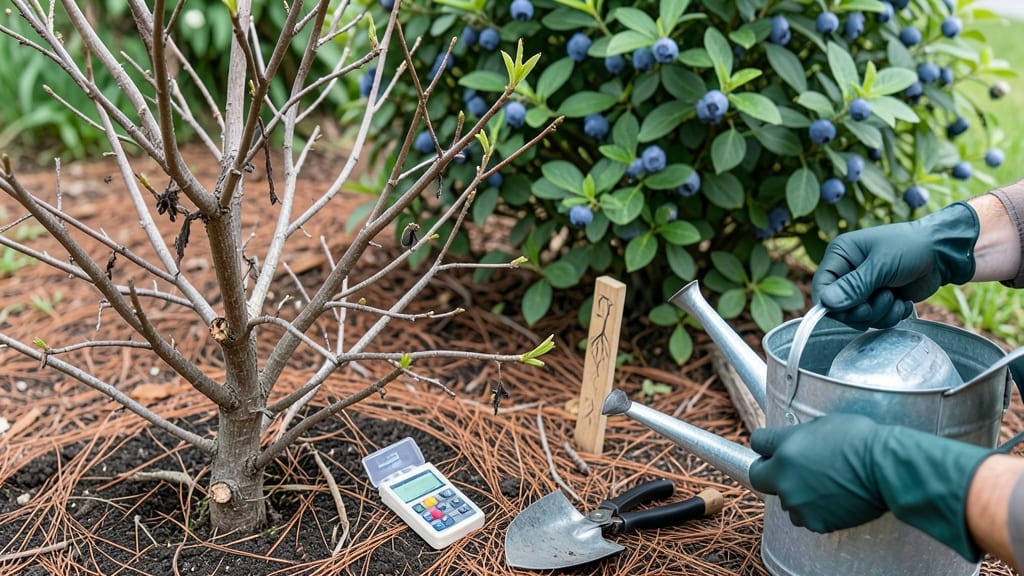
Here’s how to bring back a dead blueberry plant—it’s not always too late to revive it. 🌱 I’ve nursed back more than a dozen struggling bushes, and the secret lies in understanding why they’re failing before you can fix them. Overwatering, compacted soil, or winter damage often masquerade as "death," but with the right approach, you can coax them back to productivity.
Start by checking the roots: healthy ones should be firm and white, not mushy or blackened from rot. If the soil stays soggy for days after watering, that’s your first clue. Blueberries need acidic, well-draining soil—if yours is alkaline or clay-heavy, the roots suffocate.
Prune any dead branches (they’re easy to spot—they snap like dry twigs) and focus on the green, flexible stems that still hold hope.
The revival process begins with soil amendments—mix in 2-3 inches of peat moss or pine needles to lower pH and improve drainage. Water deeply but only when the top inch of soil feels dry, and mulch heavily to protect roots from temperature swings.
Within 4-6 weeks, you’ll see new growth if the plant’s core is still alive.
Prevention is the real game-changer: plant in full sun, keep soil moist but never waterlogged, and fertilize with acid-loving plant food in early spring. A revived blueberry bush can produce fruit within 1-2 seasons—but only if you catch the problem early. Let’s get those canes growing again.
Root Causes Of Blueberry Death
Blueberries are resilient, but even the hardiest bushes can succumb to stress—often silently—until it’s too late. Understanding the why behind a dying blueberry plant is the first step to revival. Below, we break down the most common culprits, backed by science, so you can diagnose the problem like a pro.
Blueberries thrive in acidic, well-draining soil, but too much water can suffocate their roots. Here’s how it happens:
- Waterlogged roots cut off oxygen, triggering anaerobic conditions where harmful bacteria (like Pseudomonas or Erwinia) multiply, causing root rot.
This is especially deadly in clay-heavy or compacted soils. - Symptoms: Yellowing leaves, mushy stems, and a foul odor at the base. - Science alert: Blueberry roots need 1.5–2 inches of water per week, but they hate soggy feet.
If your soil stays wet for more than 48 hours, drainage is the issue.
On the flip side, chronic dehydration weakens blueberries faster than you’d think. Here’s the breakdown:
- Wilting leaves signal the plant is shutting down photosynthesis to conserve water.
If ignored, cellular dehydration leads to leaf scorch (brown, crispy edges) and eventually stem dieback. - Root damage: Fine feeder roots (critical for nutrient uptake) shrink and die under drought, leaving the plant starved. - Pro tip: Blueberries need consistent moisture, especially in first-year planting and fruit-bearing seasons.
Mulch with pine needles (acidic!) to retain moisture.
Blueberries are acid-lovers—they need pH 4.5–5.5 to absorb iron, manganese, and phosphorus. Here’s how wrong pH kills them:
- Alkaline soil (pH > 6.0) locks out essential nutrients, causing: - Yellowing between leaf veins (iron deficiency, aka "lime-induced chlorosis"). - Stunted growth (phosphorus starvation). - Weakened immunity (calcium/magnesium deficiencies). - Test it: Use a soil pH kit or send a sample to a lab.
If pH is high, amend with sulfur or peat moss (follow package rates).
Blueberries are heavy feeders, especially when fruiting. If they lack key nutrients, they’ll drop leaves, skip flowers, or die back.
| Nutrient | Deficiency Signs | Fix It With |
|---|---|---|
| Nitrogen (N) | Pale yellow leaves, poor growth | Blood meal or composted manure |
| Potassium (K) | Weak stems, brown leaf edges | Wood ash (sparingly!) or greensand |
| Magnesium (Mg) | Yellow patches between veins | Epsom salt (1 tbsp/gal water, foliar spray) |
| Zinc (Zn) | Small, distorted leaves | Zinc sulfate (1 tsp/gal water) |
⚠️ Warning: Over-fertilizing with high-nitrogen mixes (like lawn fertilizer) can burn roots and make pH worse.
Blueberries are magnets for pests and pathogens, especially when stressed. The worst offenders:
- Root Weevils 🪲: Larvae chew roots, causing sudden wilting.
Adults feed on leaves, creating notch-like holes. - Botrytis Blight (Gray Mold) 🍄: Thrives in wet, humid conditions, causing brown, mushy fruit and stems. - Phytophthora Root Rot 💀: A water mold that dissolves roots in soggy soil (common in containers). - Birds & Squirrels 🐦🐿️: Yes, they eat buds and fruit, leaving your bush looking picked clean.
Prevent it: Use neem oil, copper fungicide, or row covers early in the season.
Blueberries are temperamental about climate. Extreme conditions can shock them into dormancy—or death.
- Winter Burn ❄️: Desiccated leaves from cold winds + sun (common in Zone 5+). Young plants are most vulnerable. - Fix: Mulch heavily (4–6 inches) with straw or leaves before frost. - Heat Stress 🔥: Wilting + leaf drop when temps exceed 90°F (32°C).
Blueberries hate afternoon sun in hot climates. - Fix: Dappled shade (use lattice screens) or drip irrigation to cool roots. - Frost Damage ❄️: Blackened buds from late frosts (below 28°F/-2°C) can kill next year’s crop. - Fix: Cover plants with frost blankets or row fabric when frost is forecasted.
Blueberries need strategic pruning—or they’ll suffocate themselves.
- Overcrowded canes ➡ less airflow ➡ fungus (like powdery mildew).
- Cutting at the wrong time (late winter/early spring) ➡ promotes disease before buds break.
- Leaving dead wood ➡ harbors pests like borers.
Do this instead:
- Prune in late winter/early spring (before buds swell).
- Remove crossing, weak, or diseased canes.
- Thin out older wood (5+ years) to encourage new growth.
Reviving Your Blueberry Bushes: Step-by-Step Fixes
Your blueberry plant might look like it’s taken its last breath, but don’t give up yet! 🌱 With the right care, you can often coax it back to life. Below are practical, actionable solutions tailored to the most common causes of decline—plus tips to keep your bushes thriving long-term.
Signs: Yellowing leaves, mushy stems, or a foul smell around the roots.
If your blueberry bush is drowning in its own soggy soil, it’s time to improve drainage and adjust your watering habits.
- 🔥 Stop Watering Immediately
- Let the soil dry out completely before watering again. Blueberries hate "wet feet" and can rot in saturated soil.
- 👨🍳 Amend the Soil
- Mix in organic matter like compost, peat moss, or pine bark fines to improve aeration.
- For heavy clay soil, consider raising the bed slightly or planting in a well-draining container with a mix of sand and perlite.
- ⏰ Adjust Watering Schedule
- Water deeply but infrequently—about 1–1.5 inches per week, more in extreme heat.
- Use a soaker hose or drip irrigation to deliver water directly to the roots without oversaturating the surface.
💡 Pro Tip: Install a French drain or gravel layer at the base of the bush if drainage is chronically poor.
Signs: Crispy, brown leaf edges, wilting, or dry, brittle stems.
If your blueberry bush is thirsty, it’s not too late to quench its roots and restore moisture balance.
- 🥘 Water Deeply and Slowly
- Use a garden hose or watering can to soak the soil 6–12 inches deep until water runs out the bottom.
- Avoid shallow watering, which encourages weak root growth.
- 🌡️ Mulch Like a Pro
- Apply a 2–3 inch layer of organic mulch (pine needles, wood chips, or straw) to retain moisture and regulate soil temperature.
- Keep mulch a few inches away from the stem to prevent rot.
- 🎯 Monitor Soil Moisture
- Stick your finger 2 inches into the soil—if it’s dry, water again.
- In extreme heat, water twice a week until the plant recovers.
✨ Bonus: If your bush is in a container, check for root-bound conditions and repot if needed.
Signs: Dark, mushy spots on stems/leaves, powdery mold, or wilting despite moist soil.
Fungal infections thrive in wet, humid conditions, but you can starve them out with these steps.
- 🔪 Prune Infected Areas
- Use sterilized pruners to remove and destroy (don’t compost!) all diseased leaves, stems, and berries.
- Cut back to healthy green tissue to prevent spread.
- 🌡️ Improve Air Circulation
- Thin out nearby plants or prune neighboring bushes to allow sunlight and airflow.
- Avoid overhead watering—use drip irrigation instead.
- 💪 Apply Fungicidal Treatments
- Spray with copper fungicide or a baking soda solution (1 tsp baking soda + 1 quart water + a few drops of dish soap) every 7–10 days until the issue clears.
- For root rot, reduce watering and apply mycorrhizal fungi to help roots recover.
💡 Pro Tip: Prevent future outbreaks by watering in the early morning so foliage dries quickly.
Signs: Pale yellow leaves (chlorosis), stunted growth, or poor berry production.
Blueberries are acid-loving plants—if they’re malnourished, they need a pH and nutrient boost.
- 📊 Test Your Soil’s pH
- Blueberries thrive in acidic soil (pH 4.5–5.5). Test with a soil kit and adjust with:
- Elemental sulfur (to lower pH)
- Peat moss or pine needles (to maintain acidity)
- Blueberries thrive in acidic soil (pH 4.5–5.5). Test with a soil kit and adjust with:
- 🍎 Fertilize Smartly
- Use a balanced, acidic fertilizer (like cottonseed meal or a 10-10-10 with sulfur).
- Avoid high-nitrogen fertilizers—they can burn roots and worsen stress.
- 🥗 Organic Boosts
- Mix composted leaves or coffee grounds into the soil for slow-release nutrients.
- A seaweed extract spray can help with quick nutrient uptake.
✨ Prevention Tip: Mulch with pine needles annually—they slowly release acidity and nutrients!
Signs: Chewed leaves, webbing, tiny insects, or sticky residue (sap).
Pests can sap energy from a struggling plant, but natural remedies work wonders.
- 🔪 Handpick or Blast Off Pests
- For Japanese beetles, knock them into soapy water in the morning.
- Spider mites? Spray with a strong stream of water to dislodge them.
- 🌡️ Introduce Beneficial Insects
- Ladybugs or lacewings eat aphids and mites naturally.
- Plant companion plants like chives or garlic to repel pests.
- 💪 Use Organic Sprays
- Neem oil (mix 1 tbsp per quart of water + a drop of dish soap) smothers pests and prevents eggs from hatching.
- Insecticidal soap works well for soft-bodied insects like mites.
💡 Pro Tip: Prune and dispose of heavily infested branches to break the pest cycle.
If you’re unsure what’s wrong, follow this quick recovery plan:
- 🌱 Trim Dead Growth – Cut back brown, mushy, or diseased stems to redirect energy.
- 💧 Water Correctly – Deep water 2–3 times per week (adjust for rain).
- 🍄 Apply Fungicide – Even if you don’t see fungus, a preventative spray helps.
- 🌡️ Mulch & Fertilize – Add acidic mulch and a balanced fertilizer.
- 🐞 Check for Pests – Inspect leaves daily for signs of infestation.
🎯 Final Thought: Most "dead" blueberry bushes are salvageable—they just need patience and the right care. Start with one or two fixes based on your plant’s symptoms, and monitor progress over 2–4 weeks.
With time, your bush could be back to producing sweet, juicy berries! 🫐
Frequently asked questions
How can I tell if my blueberry plant is truly dead or just dormant?
Check for green growth at the base of the stems—even a single shoot means life remains! Scratch the bark on young stems: if it's green underneath, the plant is still alive but struggling. For older bushes, gently dig around the roots (1-2 inches deep) to see if they're firm and white. Mushy or black roots mean rot, while healthy roots will revive with proper care.
Can I revive a blueberry plant that's been completely leafless for months?
Yes, but act fast! Start by pruning all dead wood, then focus on soil drainage and acidic mulch. Water deeply but only when the top 1-2 inches of soil are dry. Apply a balanced acidic fertilizer (like cottonseed meal) and protect roots with 4-6 inches of pine needle mulch. New growth should appear within 4-6 weeks if the root system is intact.
What's the fastest way to fix root rot in a blueberry bush?
Stop watering immediately and improve drainage by mixing sand or perlite into the soil. Prune all diseased stems back to healthy tissue, then apply a mycorrhizal fungi treatment to help roots recover. For severe cases, consider transplanting to a well-draining container with fresh acidic soil. Keep the area dry for 2 weeks to prevent further spread.
Will my revived blueberry plant produce berries the same year?
Probably not—but don't worry! Focus on root and stem recovery first. Healthy bushes typically take 1-2 seasons to rebound fully. If you pruned heavily, new canes will form that can bear fruit next year. For faster results, use a low-nitrogen fertilizer to encourage fruiting wood rather than leafy growth.
Can I use regular garden soil to revive my blueberry bush?
No—blueberries need acidic, well-draining soil (pH 4.5-5.5). Mix 50% peat moss or pine bark with 50% regular soil plus compost for best results. Avoid garden soil alone, which is usually too alkaline. Test your soil pH first—if it's above 6.0, amend with elemental sulfur before planting.