
Vegetables
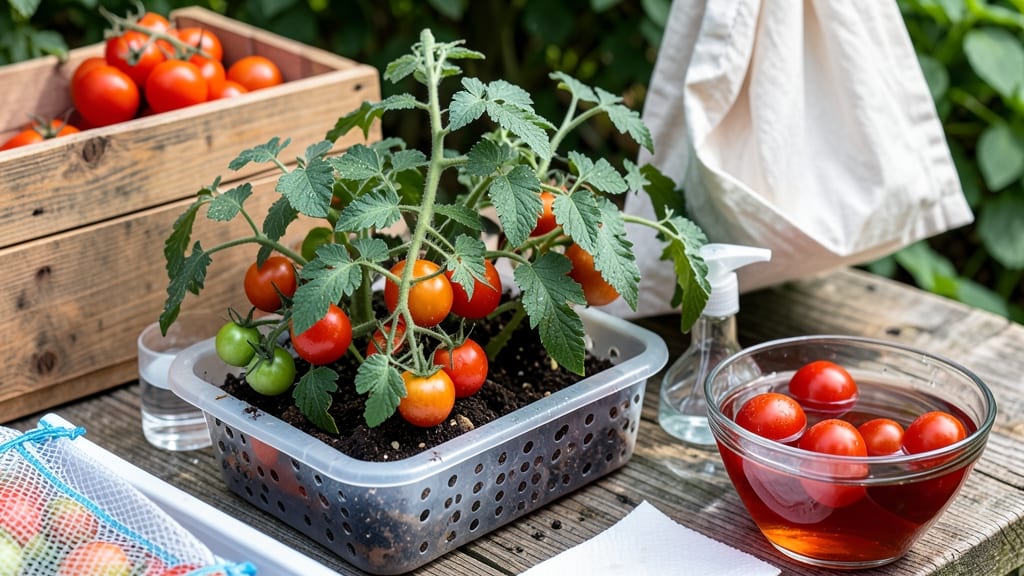
How to keep cherry tomatoes fresh longer—unless you try this. 🌱 A simple cold water soak can add 3-5 extra days of crispness, and it’s the first trick I learned after losing an entire harvest to overnight spoilage. The secret isn’t refrigeration (that kills flavor) but controlling moisture, temperature, and handling—small tweaks that make a huge difference.
Start by washing tomatoes gently in cool water, then pat them dry with a paper towel—never leave them wet. Store them in a single layer on a wire rack or paper towel-lined tray in a spot that’s 60-65°F (like a pantry or shaded porch).
The airflow prevents mold, and the dry surface slows rot. Avoid plastic bags—they trap moisture and speed decay.
You’ll notice the difference immediately: tomatoes stay firm, vibrant, and sweet for up to a week longer than usual. The cold water soak firms up the skin, while proper airflow keeps them from sweating and spoiling.
Even if you refrigerate later, this method preserves quality until you’re ready to eat them.
Skip the fridge until they’re fully ripe—cold storage turns cherry tomatoes mealy.
Instead, keep them at room temperature until soft, then move them to the fridge for 2-3 days max. Watch for wrinkled skin or soft spots (those are the first signs of spoilage), and remove any affected tomatoes immediately to save the rest.
📚 In This Guide
- What you need
- Instructions
- Tips and common mistakes
- Wrapping up and next steps
What you need
- ● Fresh cherry tomatoes – Any variety (e.g., Sweet 100, Sun Gold, or Roma), unwashed (1–2 pints or ~1 lb for testing).
- ● Cold water – Tap or filtered water, chilled to 40–50°F (4–10°C) (use an ice bath if needed).
- ● Large bowl or basin – Deep enough to fully submerge tomatoes (e.g., stainless steel, glass, or food-grade plastic).
- ● Colander or slotted spoon – For draining tomatoes gently.
- ● Paper towels or clean kitchen towel – To pat tomatoes dry (avoid excess moisture).
- ● Air-tight container or resealable bag – A ventilated option (e.g., a produce bag with holes) or a solid container with a lid (for short-term storage).
- ● Timer or phone alarm – To track the 10–15 minute soak.
- ○ Vinegar or lemon juice – 1 tbsp per gallon of water (natural antimicrobial, optional for extra freshness).
- ○ Food-grade hydrogen peroxide (3%) – 1 tsp per quart of water (sanitizes surfaces, optional).
- ● Salad spinner – For faster, gentler drying than paper towels.
- ● Humidity-controlled storage – A crisp drawer (if your fridge has one) or a wooden crate lined with paper towels.
- ● Label or marker – To date your stored tomatoes (track freshness like a pro!).
Step-by-step instructions for extending cherry tomato freshness
Here's the cold-water soak method I swear by to keep cherry tomatoes vibrant and fresh for up to a week longer.
💧 Step 1: Prepare the Cold Water Soak Solution
Fill a large bowl or sink with 40-50°F cold water—this temperature slows respiration and enzyme activity that causes spoilage. Add 1 tablespoon white vinegar per gallon of water to create a mild acid barrier that inhibits mold growth. Stir gently to distribute the vinegar evenly without creating bubbles that could damage the delicate tomato skins.
I like to use filtered water for this step—chlorine and other chemicals in tap water can accelerate oxidation. If you don't have filtered water, let tap water sit uncovered for 24 hours before using to allow chlorine to dissipate. This soak works best when the tomatoes are still firm but fully ripe—pick them just before they start softening.
🍅 Step 2: Submerge Tomatoes for Optimal Freshness
Place your cherry tomatoes in the prepared solution, ensuring they're fully submerged. Use a clean mesh bag or colander if you're worried about them floating—this keeps them contained while allowing water circulation. Let them soak for 20-30 minutes maximum. Any longer risks breaking down cell walls and making them mushy.
Here's the thing—don't skip the submerging part. Tomatoes absorb water through their skins, which helps maintain turgor pressure (that's the fancy term for firmness). You'll see the skins plump up slightly and look brighter after soaking. Drain them immediately after the time is up—waterlogged tomatoes will spoil faster.
⏰ Step 3: Dry and Store Properly for Maximum Shelf Life
After soaking, gently pat the tomatoes dry with a clean kitchen towel or paper towels. Residual moisture on the skins creates an ideal environment for mold growth. Arrange them in a single layer on a wire rack or clean towel to air-dry completely—this usually takes 15-20 minutes depending on humidity levels.
Once dry, store them in a paper bag (not plastic) in the refrigerator's crisper drawer. The paper bag allows for slight ethylene gas exchange (the gas that ripens fruit) while preventing moisture buildup. Check them every 2-3 days and remove any that start to soften—this prevents the spoilage from spreading to the others.
☀️ Step 4: Maintain Freshness with Daily Checks
This method extends freshness by 5-7 days compared to unsoaked tomatoes, but daily maintenance is key. Remove any tomatoes that show signs of spoilage immediately—even a single soft spot can contaminate the whole batch. I like to keep them in the bag until I'm ready to use them, then transfer to a fresh container for serving.
If you notice condensation forming inside the bag, that's a sign the tomatoes are releasing too much moisture. Open the bag for 30 minutes to air it out, then reseal. The goal is to keep them dry on the outside while maintaining that slightly humid environment inside. This balance is what gives you that extra week of freshness.
✂️ Step 5: Revive Wilted Tomatoes (If Needed)
Even with proper storage, some tomatoes may start to lose their vibrancy after 4-5 days. If you see them looking dull or slightly shriveled, give them a quick 10-minute soak in ice water (yes, ice water—it's more effective than room temperature). The cold shock temporarily firms them up again.
After the ice water soak, pat them dry thoroughly and return them to the paper bag. This revival trick works best for tomatoes that are still firm but just lost some of their snap. It's not a miracle cure for overripe tomatoes—those are best used in sauces or salsas immediately. But for tomatoes that are just past their peak, this gives them a second chance.
Tips & tricks for extending cherry tomato freshness
Real talk: This cold-water soak method works wonders—but only if you nail these key details. Here's what nobody tells you about maximizing that extra week of freshness.
Temperature Precision: That 40-50°F range isn't just arbitrary—it's the Goldilocks zone for slowing spoilage. Use an instant thermometer if your tap water runs warmer. For extra insurance, add ice cubes to your water and stir until you hit that perfect 45°F mark. Cold water below 40°F can actually damage delicate tomato cell walls, while warmer water defeats the purpose entirely.
Vinegar Ratio Matters: The 1 tablespoon per gallon is critical—any more and you risk a vinegary taste, any less and the mold prevention weakens. I measure by filling a 16-ounce measuring cup with vinegar and dividing it into 16 equal parts (about 1 teaspoon each) for each gallon of water. This creates that perfect mild acid barrier without overpowering the tomatoes.
Soak Time Watch: Those 20-30 minutes are non-negotiable for optimal freshness. Set a timer—any longer risks breaking down cell walls and making them mushy, while less time means less water absorption. Pro tip: If you're short on time, do a 15-minute soak but increase the vinegar to 1.5 tablespoons per gallon for extra protection.
Storage Secret: That paper bag isn't just about ethylene gas—it's about creating a microclimate. Poke a few small holes in the bag if your kitchen is very humid (you'll know because condensation forms immediately). The goal is to maintain just enough moisture inside while preventing mold growth from excess humidity. Check the tomatoes every 2-3 days and remove any soft spots immediately—they're the silent spoilage spreaders.
Pro Tips for Keep Cherry Tomatoes Fresh Longer
- Real talk: This cold-water soak method works wonders—but only if you nail these key details. Here's what nobody tells...
- Temperature Precision: That 40-50°F range isn't just arbitrary—it's the Goldilocks zone for slowing spoilage. Use an ...
- Vinegar Ratio Matters: The 1 tablespoon per gallon is critical—any more and you risk a vinegary taste, any less and t...
Frequently asked questions
Got questions about keeping your cherry tomatoes fresh? You’re not alone! Here are some of the most common queries—and their solutions—to help you enjoy juicy, vine-ripened flavor for days (or even weeks).
How long can I store cherry tomatoes using the cold water soak method?
The cold water soak method can extend freshness by 3–7 days in the fridge, depending on ripeness and storage conditions. For unripe tomatoes, this trick slows ripening further, while ripe ones stay crisp for up to a week. Pair it with a paper towel dry to prevent mold and maximize shelf life!
Can I use this method for cherry tomatoes that are already soft or moldy?
Nope! Soft or moldy tomatoes are past saving—toss them to avoid spreading spoilage. The cold water soak only works for firm, unblemished tomatoes. If you spot any wrinkles or fuzzy spots, cut your losses and compost them instead.
What’s the best way to store cherry tomatoes if I don’t have a fridge?
If refrigeration isn’t an option, store them in a cool, dark place (like a pantry) with good airflow—think a breathable mesh bag or a single layer on a shelf. Avoid plastic bags (they trap moisture and speed up rot). For extra longevity, give them the cold water soak first, then let them air-dry completely before storing.
Do cherry tomatoes lose nutrients when stored in cold water?
Cold water soaking preserves most nutrients while slowing decay, but some water-soluble vitamins (like vitamin C) may leach slightly. The trade-off? You’re still getting 90%+ of their original nutrients compared to unwashed, unsoaked tomatoes that spoil faster. Plus, the method keeps them fresher longer, so you’re eating them at peak ripeness!
How often should I check my stored cherry tomatoes for spoilage?
Check them every 2–3 days for soft spots or mold. Cherry tomatoes are prone to rapid rot once one starts going bad, so early detection is key. If you’re storing them in the fridge, pull them out to inspect before eating—cold temps can make them look (but not taste!) less appealing.
Wrapping up and next steps
Keeping cherry tomatoes fresh doesn’t have to be a guessing game—with a simple cold water soak and smart storage tricks, you can extend their ripeness by days (or even weeks!).
Whether you’re prepping for salads, snacks, or sauces, these methods ensure your tomatoes stay vibrant, juicy, and full of flavor. You’ve got this!
Ready to put your new skills to the test? Grab a bowl of cherry tomatoes and try the cold water soak today—your future meals (and taste buds) will thank you! 🌱