
Orchid Care
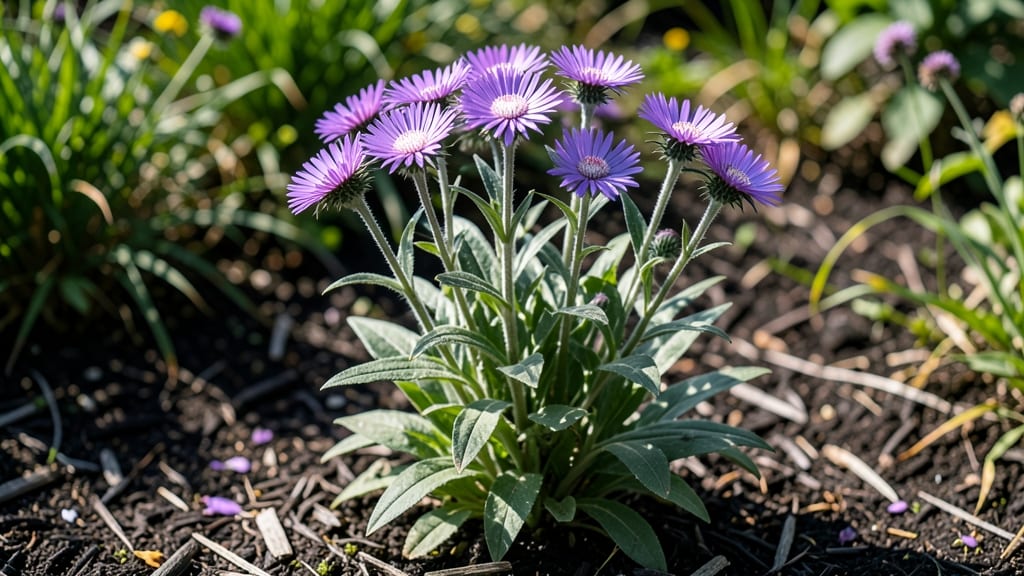
Caring for asters feels like unlocking a secret garden—season-long blooms with almost no fuss. 🌿 I’ve grown these tough perennials for years, and they’ve never failed to deliver vibrant purple, pink, or blue flowers from late summer straight through fall.
The key? Matching their needs to their natural habits, not overcomplicating things.
Start with well-draining soil (they hate soggy roots) and full sun—6+ hours daily—but they’ll tolerate partial shade in hot climates. Water when the top inch of soil feels dry, but don’t drown them.
Deadheading spent blooms keeps flowers coming, and a light pruning in early spring clears out last year’s growth without stressing the plant.
By midsummer, you’ll see those classic daisy-like blooms popping up, and they’ll keep going until frost. Asters are disease-resistant and deer-proof, making them one of the most reliable perennials for low-maintenance gardeners. The secret? Let them grow naturally—they reward patience with weeks of color.
Perfect for borders, cottage gardens, or cutting gardens. Once established, they’ll spread and multiply, giving you more flowers every year with almost no effort. Here’s how to keep them thriving all season long.
📚 In This Guide
- What you need
- Instructions
- Tips and common mistakes
- Wrapping up and next steps
What you need
- ● Potting soil: Well-draining, loamy mix (3-5 gallons per 12-inch pot). Add perlite or sand (20-30%) for aeration.
- ● Containers: Pots with drainage holes (10-12 inches in diameter for mature plants). Terracotta or fabric pots work best.
- ○ Fertilizer: Balanced, slow-release granular fertilizer (10-10-10 or 20-20-20, 1 tbsp per plant). Optional: Liquid bloom booster (e.g., fish emulsion) for extra color.
- ● Mulch: Organic mulch (2-3 inches, like shredded bark or straw) to retain moisture and suppress weeds.
- ● Watering can: With a rose nozzle for gentle, even watering (1-2 gallons per watering session).
- ● Pruning shears: Sharp, sterilized shears (for deadheading and shaping).
- ● Gloves: Garden gloves (to protect hands from thorns on some varieties).
- ● Stake or support: Bamboo stakes or cages (for tall varieties like ‘Monch’ or ‘Alma Potschke’).
- ○ pH testing kit: Optional but helpful—asters prefer slightly acidic to neutral soil (pH 6.0-7.0).
- ● Sunlight gauge: Know your space! Asters need 6+ hours of full sun daily.
Step-by-step instructions for cultivating healthy asters
Here’s how I keep my asters blooming from midsummer through frost with almost no fuss.
🌱 Step 1: Plant in the Right Spot for Year-Round Success
Asters thrive in full sun to part shade—at least 6 hours of direct light daily. I plant mine where morning sun warms the soil but afternoon shade prevents wilting, especially in hot zones. The key is well-draining soil; asters rot quickly in soggy conditions. Amend heavy clay with 2-3 inches of compost before planting to improve aeration.
Dig a hole twice as wide as the root ball but only as deep—aster roots are shallow and hate being buried too deep. Space plants 12-18 inches apart for air circulation, which prevents fungal diseases like powdery mildew. Water deeply right after planting to settle the soil around roots, but don’t drown them. You’ll know it’s right when the soil looks damp but not muddy.
☀️ Step 2: Water Deeply but Strategically
Asters are drought-tolerant once established, but young plants need consistent moisture. Water 1 inch per week, either from rainfall or irrigation, focusing on the base rather than overhead. I water in the morning so leaves dry quickly—this cuts down on fungal issues. Let the top 2 inches of soil dry out between waterings; asters send deep roots when slightly thirsty, making them more resilient.
Here’s the thing—aster blooms are sensitive to inconsistent moisture. If you see buds forming but wilting before opening, you’re either underwatering or overwatering. Adjust based on soil feel: poke your finger in 2 inches deep. If it’s dry, water; if it’s still damp, wait. Mulch with 2-3 inches of organic mulch to retain moisture and regulate soil temperature.
✂️ Step 3: Prune for Longer Blooms and Stronger Growth
Deadhead spent blooms by snipping stems back to the nearest set of healthy leaves. This isn’t just about looks—it redirects the plant’s energy into producing more flowers instead of setting seed. I prune in the morning when stems are stiff, using clean, sharp shears to avoid tearing leaves. You’ll see new buds forming within 2-3 weeks if you’re consistent.
In early spring, cut back last year’s growth by one-third to encourage fresh, vigorous shoots. Avoid heavy pruning after midsummer—you’ll sacrifice fall blooms. If your asters get leggy, trim the longest stems by half to promote bushier growth. The goal is to keep the plant balanced so it doesn’t flop under the weight of flowers.
🌿 Step 4: Fertilize Lightly for Vibrant Blooms
Asters don’t need much fertilizer, but a balanced 10-10-10 or 5-10-10 formula in early spring gives them a gentle boost. I apply ½ teaspoon per plant and water it in well. Too much nitrogen leads to leafy growth at the expense of flowers, so skip heavy feedings. Organic options like composted manure or worm castings work too—just use sparingly.
Watch for signs of over-fertilizing: dark green leaves with no buds or slow growth. If you see this, flush the soil with extra water to leach out excess salts. Asters are forgiving, but they’ll reward you with bigger, brighter blooms when fed just enough. I stop fertilizing after midsummer to let the plant focus on flowering, not foliage.
⏰ Step 5: Protect Against Pests and Diseases
Asters are generally pest-free, but aphids and Japanese beetles can be a problem. I spot-treat infestations with a strong spray of water first—it dislodges most pests without chemicals. For stubborn beetles, I use neem oil in the evening when bees aren’t active. Apply it lightly to avoid harming beneficial insects.
Prevent powdery mildew by ensuring good air flow and avoiding overhead watering. If you see white powder on leaves, prune affected areas immediately and treat with a baking soda spray (1 teaspoon per quart of water + a drop of dish soap). Asters are tough, but mildew can weaken them if left unchecked. A little prevention goes a long way—especially in humid summers.
Tips & tricks for perfect aster care
These simple yet game-changing tips will help you keep your asters thriving with minimal effort—no green thumb required.
Location is Everything: While asters handle full sun to part shade, the afternoon shade makes all the difference in hot climates. I plant mine where they get morning sun but escape the harsh afternoon rays. This prevents wilting while still giving them enough light for strong growth. If you're in a particularly hot zone, consider a 50% shade cloth during peak summer afternoons—it can extend your blooming season by weeks.
Soil Prep Secret: The 2-3 inches of compost I mentioned isn't just about nutrients—it's about creating the perfect airy environment asters crave. I always mix in perlite or coarse sand if my soil is heavy clay. This prevents waterlogging, which is aster's biggest enemy. Think of it like giving your plants a well-drained foundation—they'll reward you with stronger stems and more blooms.
Pruning Precision: When deadheading in Step 3, I always look for the first set of healthy leaves below the spent bloom. Cutting too close can damage the plant, while leaving too much stem wastes energy. For that early spring one-third trim, I use clean shears and make cuts at a 45-degree angle just above a leaf node. This encourages bushier growth and prevents water from pooling on the cut stems.
Fertilizer Timing: The ½ teaspoon of balanced fertilizer per plant in early spring is just the beginning. I actually apply it in two stages: half in early spring and the remaining half in late spring. This gradual feeding prevents nutrient burn while keeping the plant focused on producing flowers rather than leaves. And remember—once buds form, stop fertilizing completely to let the plant channel all its energy into blooming.
Pro Tips for Care For Aster
- These simple yet game-changing tips will help you keep your asters thriving with minimal effort—no green thumb required.
- Location is Everything: While asters handle full sun to part shade, the afternoon shade makes all the difference in h...
- Soil Prep Secret: The 2-3 inches of compost I mentioned isn't just about nutrients—it's about creating the perfect ai...
Frequently asked questions
Got questions about keeping your asters thriving? Here are some common ones—and their answers!
When is the best time to plant asters?
Asters thrive when planted in early spring (4-6 weeks before the last frost) or early fall (6-8 weeks before the first frost). This gives roots time to establish before extreme temperatures. Avoid planting in summer heat, which can stress young plants.
How often should I water asters?
Water asters deeply 1-2 times per week, ensuring the soil stays moist but not soggy. Mulch around the base to retain moisture, especially during dry spells. Overwatering can lead to root rot, so check soil moisture before watering again.
Do I need to deadhead aster flowers?
Yes! Deadheading (removing spent blooms) encourages more flowers and prevents seed formation. Snip just above a set of leaves or buds with clean shears. For long-lasting blooms, do this every few days during peak flowering (late summer to fall).
What pests or diseases should I watch for?
Asters are generally hardy, but watch for aphids, slugs, and powdery mildew. Use neem oil or insecticidal soap for pests, and ensure good airflow to prevent mildew. If leaves yellow or wilt, check for overwatering or fungal issues—adjust care and remove affected foliage promptly.
Can I grow asters in containers?
Choose a large pot (at least 12 inches deep) with drainage holes and use well-draining potting mix. Place in full sun and water consistently. Dwarf varieties like 'Patio Red' work well in containers, but larger types may need staking for support.
How do I overwinter asters?
In cold climates, cut back foliage to 2-3 inches tall after the first frost and mulch heavily (4-6 inches) with straw or shredded leaves. Perennial asters are hardy to USDA Zone 3-9, so they’ll regrow in spring with minimal care.
Wrapping up and next steps
Caring for asters is a rewarding experience that brings vibrant color to your garden with minimal effort! With the right sunlight, soil, and occasional pruning, these hardy perennials will thrive and bloom beautifully year after year.
Whether you’re a seasoned gardener or just starting out, asters are the perfect low-maintenance addition to your outdoor space.
Now that you’re armed with the knowledge to keep your asters flourishing, why not take the next step? Try experimenting with different varieties or even share your blooms with fellow gardening enthusiasts! Happy gardening—your aster-filled haven awaits! 🌸✨