
Neem Oil
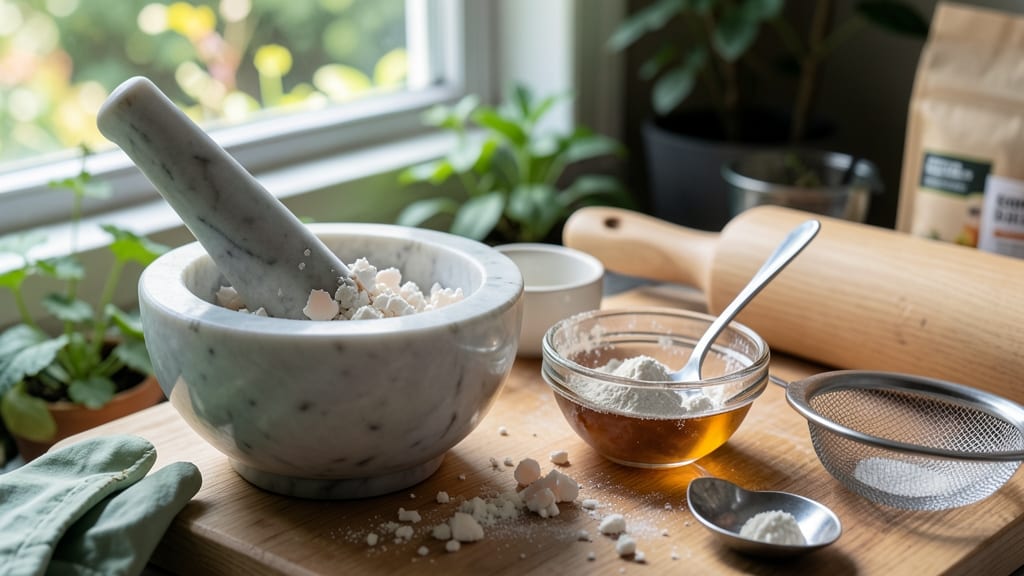
How to crush eggshells into the powder hides a secret: free calcium for your potted plants. 🌱 I used to toss them after breakfast, but now they’re my go-to soil booster—no store-bought amendments needed. The process takes less than 10 minutes and works for everything from herbs to tomatoes.
Start with clean eggshells—no food residue—and bake them at 200°F for 10-15 minutes to sterilize. Let cool completely before crushing into a fine powder with a rolling pin or mortar and pestle. This kills bacteria and makes them easier to mix into soil or compost.
Sprinkle 1-2 teaspoons per plant every few months to prevent blossom-end rot in tomatoes or yellowing leaves in peppers. The powder dissolves slowly, releasing calcium over time—nature’s slow-release fertilizer. Plus, the sharp edges deter slugs and snails.
Works for container gardens, seed-starting mixes, or even as a compost additive. Store the powder in a sealed jar until use. No more wasted eggshells—just healthier plants and a zero-waste win. Ready to try it?
📚 In This Guide
- What you need
- Instructions
- Tips and common mistakes
- Wrapping up and next steps
What you need
- ● Clean, dry eggshells: Collect at least 1–2 dozen (more if you’re prepping for a larger garden). Ensure they’re washed, boiled, and fully dried to avoid mold or bacteria.
- ● Blender or food processor: A high-powered blender (like a Vitamix) or a food processor works best for fine, powdery results. Avoid coffee grinders—they’re too coarse!
- ○ Oven or dehydrator (optional but helpful): If your shells aren’t bone-dry, bake them at 200°F (93°C) for 10–15 minutes to remove all moisture.
- ● Fine-mesh sieve or cheesecloth: A stainless steel sieve (100–200 microns) ensures ultra-fine powder. Cheesecloth works in a pinch!
- ● Air-tight container: A glass jar or plastic bag with a zip-lock keeps your powder fresh for months.
- ● A mortar and pestle for small batches or extra-fine grinding.
- ● Food-safe bleach or vinegar (1:10 dilution) for deep-cleaning shells before drying.
- ● Label maker to mark your powder with the date (stale eggshell powder loses potency after 6+ months).
Step-by-step instructions for creating eggshell powder
Here's how I turn eggshells into a nutrient-rich powder that strengthens plant roots and prevents blossom end rot.
🪴 Step 1: Collect and Clean Eggshells
Save clean eggshells from your kitchen—no food residue or seasoning. Rinse them thoroughly under cool water to remove any leftover egg or yolk. Place them in a bowl and let them air-dry completely for 24-48 hours. This prevents mold or bacteria from developing during the crushing process.
I spread mine on a baking sheet lined with parchment paper to dry evenly. If you're short on time, place them in a 200°F oven for 10 minutes to speed up drying. Just be sure they're completely dry before handling—wet shells will crumble unevenly.
✂️ Step 2: Remove Membranes and Chop into Pieces
Use a butter knife or small scissors to carefully scrape off the inner membrane from each shell. This thin film can trap moisture and encourage mold. Chop the shells into ½-inch to 1-inch pieces—smaller pieces crush more easily, but don't go too fine yet.
Here's the thing—if you skip this step, you'll end up with uneven powder and larger chunks that won't break down properly. I like to work in batches, keeping the chopped pieces in a sealed container until ready to crush. This keeps them dry and ready for the next phase.
💧 Step 3: Bake to Sterilize and Dry Completely
Spread the chopped shells on a baking sheet and bake at 350°F for 10-15 minutes. This step sterilizes the shells, removes any lingering moisture, and makes them brittle enough to crush easily. The shells will turn a light beige color—this is your signal they're ready for the next step.
Don't skip the baking. Raw eggshells can harbor bacteria, and moisture will prevent them from turning into a fine powder. If you're in a hurry, you can use an air fryer at 375°F for 8-10 minutes—it works just as well and uses less energy.
🪴 Step 4: Crush into Fine Powder
Use a clean coffee grinder, food processor, or mortar and pestle to grind the baked shells into a fine powder. Pulse in short bursts to avoid overheating the machine. You want a consistency similar to flour—no large chunks should remain. If using a mortar and pestle, work in small batches for even grinding.
This is the moment that matters: the finer the powder, the easier it is for plants to absorb the calcium. I sift the powder through a fine-mesh strainer to remove any remaining bits. Store the powder in an airtight container in a cool, dry place until ready to use.
🌱 Step 5: Apply to Potted Plants
Sprinkle 1-2 teaspoons of eggshell powder around the base of potted plants, especially those prone to calcium deficiency like tomatoes, peppers, and eggplants. Gently work it into the top ½ inch of soil or mix it into your potting mix before planting. Water lightly to help it settle.
You'll see the benefits in stronger stems and healthier foliage within a few weeks. For a slow-release boost, mix the powder into compost or worm castings. Avoid overapplying—too much calcium can disrupt nutrient balance in the soil.
Tips & tricks for perfect eggshell powder
Turning eggshells into plant-boosting powder is simpler than you think—these small details make all the difference.
Drying Strategy: The 24-48 hour air-drying period is non-negotiable for safety, but I've found a pro trick: place shells on a wire rack over a baking sheet instead of directly on parchment. This allows air to circulate on all sides, cutting drying time by nearly half while preventing mold. Just be patient—rushing this step risks bacterial growth that can ruin your entire batch.
Membrane Removal: That thin inner membrane is the sneaky culprit behind uneven powder and potential mold. Use a butter knife to gently scrape it away from each shell fragment—don't rush this part. I like to work over a bowl to catch the membranes, then compost them separately. This step might seem tedious, but it's what separates fine powder from gritty chunks that won't dissolve properly in soil.
Baking Precision: The 350°F bake for 10-15 minutes sterilizes while creating that perfect brittle texture. Here's what I watch for: shells should turn light beige and sound hollow when tapped together. If using an air fryer at 375°F for 8-10 minutes, shake the basket occasionally to ensure even exposure. Overbaking turns shells gray and powdery before crushing—underbaking leaves them too tough to grind properly.
Crushing Technique: For the finest powder, I pulse my coffee grinder in 5-second bursts between cleaning the feed chute. This prevents overheating and ensures consistent particle size. If using a mortar and pestle, work in small batches and keep the pestle moving continuously—stopping mid-grind creates uneven pressure and leaves some shells partially crushed. The goal is flour-like consistency, not sand.
Pro Tips for Crush Eggshells Into Powder
- Turning eggshells into plant-boosting powder is simpler than you think—these small details make all the difference.
- Drying Strategy: The 24-48 hour air-drying period is non-negotiable for safety, but I've found a pro trick: place she...
- Membrane Removal: That thin inner membrane is the sneaky culprit behind uneven powder and potential mold. Use a butte...
Frequently asked questions
about turning eggshells into powder for your plants—because even the best gardeners have questions! Here are some of the most common ones:Can I use eggshell powder right away after crushing?
Not quite! Freshly crushed eggshells need to be baked (200°F for 10–15 minutes) to kill bacteria and sterilize them. Once cooled and ground into a fine powder, they’re ready to mix into soil or compost. Skipping this step could introduce pathogens to your plants.
How long does it take for eggshell powder to work in soil?
Eggshell powder releases calcium slowly, so effects may take 2–4 weeks to become noticeable. For fast-acting results, mix it into the top 1–2 inches of soil where roots are active. Patience pays off—think of it as a long-term soil amendment, not an instant fix!
What if I don’t have a blender or mortar and pestle?
No problem! Use a clean coffee grinder (dedicated to food only), a rolling pin, or even a ziplock bag (add a marble or two and crush by hand). Just ensure the powder is fine enough to dissolve easily in water or blend into soil.
Will eggshell powder attract pests or rodents?
Not if stored properly! Keep the powder in an airtight container (like a glass jar) away from moisture. Eggshells themselves don’t attract pests, but damp powder could mold. Always use sterilized shells, and avoid using it on freshly broken eggs to prevent odors.
Can I reuse eggshells from cooked eggs (like scrambled or boiled)?
Yes, but with a twist! Rinse them thoroughly to remove grease or seasoning, then bake and crush as usual. The calcium content remains intact, but avoid shells with strong spices or oils, as they might alter soil chemistry. Think of it as zero-waste cooking at its finest!
What if my eggshells turn black or smell bad after baking?
This usually means they weren’t fully dried before baking. Next time, pat shells dry with a paper towel and bake at a higher temp (300°F) for 10 minutes. If it happens, just toss the batch—don’t risk introducing contaminants to your plants! Prevention is key.
Wrapping up and next steps
Crushing eggshells into powder is a simple, eco-friendly way to give your potted plants a natural calcium boost—no fancy tools or skills required! 🌱 With just a few minutes of prep, you’ll turn kitchen scraps into a nutrient-packed soil amendment that strengthens stems, prevents blossom-end rot, and supports healthy growth.
Ready to crush it? Try this method with your next batch of eggshells and watch your plants thrive!
Now that you’re equipped with the know-how, grab those shells and get started—your green friends will thank you! 🌿 For even more gardening hacks, check out our guide on repurposing neem oil for plant care.