
Container Gardens
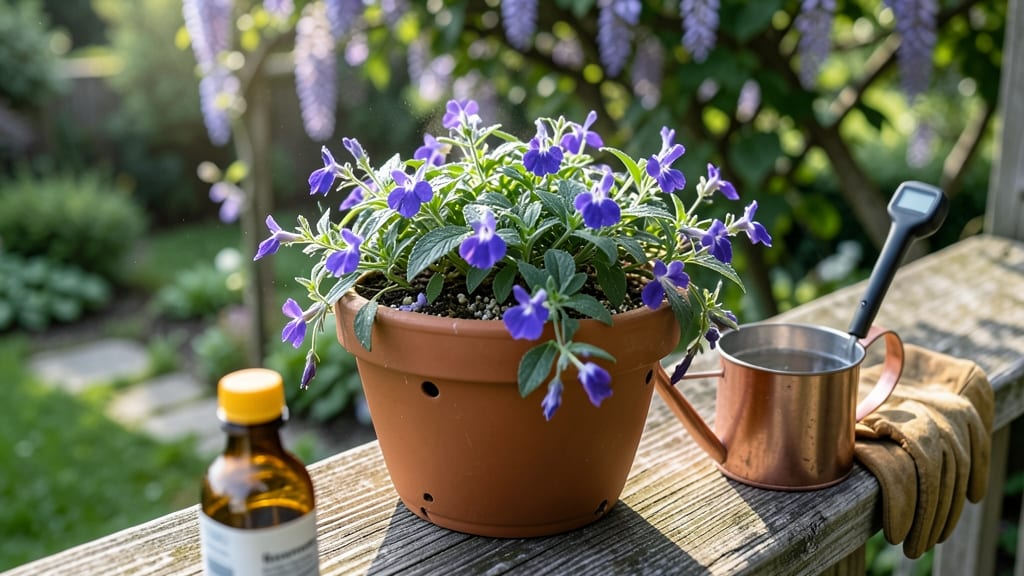
How to care for lobelia in pots turns any balcony into a waterfall of color. 🌿 I’ve learned the hard way that these delicate-looking plants are tougher than they appear—but only if you nail their three key needs: moisture, shade, and the right container. Skip one, and you’ll end up with sad, leggy stems instead of those lush, trailing mounds we all love.
The secret starts with a pot that drains well (no soggy roots!) and soil that stays consistently damp but never soggy. Lobelia loves humidity, so if your air is dry, mist the leaves or place the pot on a tray of pebbles and water.
A 6-inch pot works for a single plant, but if you’re growing multiples, go bigger—these guys spread fast. Feed them every 2-3 weeks with a balanced liquid fertilizer during spring and summer, and they’ll reward you with nonstop blooms.
Pruning is where most people mess up—don’t snip too hard, or you’ll stunt growth. Instead, pinch back leggy stems just above a leaf node to encourage bushier, fuller plants.
And here’s the kicker: lobelia thrives in partial shade, so if your pots are baking in full sun, they’ll burn out by afternoon. A morning sun spot with afternoon shade is ideal, especially in hot climates.
Troubleshooting is easy once you know the signs: yellow leaves mean overwatering (let the top inch dry out), while sparse blooms usually mean too much sun or not enough food.
With the right setup, your lobelia will spill over pots like a living waterfall—no fuss, just season-long color. Ready to give it a try?
📚 In This Guide
- What you need
- Instructions
- Tips and common mistakes
- Wrapping up and next steps
What you need
- ● Pots: 1–2 hanging baskets (6–12 inches wide) or 1 container (8–12 inches deep) with drainage holes. Pro tip: Lobelia loves shallow roots, so avoid deep pots!
- ○ Well-draining potting mix: 1 bag (5–10 quarts) of lightweight, peat-based mix (e.g., African violet or seed-starting mix). Optional: Amend with perlite or vermiculite (1 part per 4 parts soil) for extra aeration.
- ● Lobelia plants: 3–5 healthy seedlings or plugs (trailing varieties like Lobelia erinus work best). Check for vibrant green leaves and no signs of pests!
- ○ Slow-release fertilizer: 1 packet (e.g., Osmocote 14-14-14) or balanced liquid fertilizer (10-10-10). Optional: Fish emulsion or worm castings for organic boosts.
- ○ Gloves (optional but handy for messy soil or thorny plants).
- ● Watering can with a rose nozzle (for gentle watering).
- ● Scissors or pruners (sterilized with rubbing alcohol) for trimming.
- ○ Mulch or pebbles (optional): A thin layer (¼ inch) of hydroponic clay pebbles or coco coir to retain moisture and deter algae.
- ○ Support stakes or trellis (optional): If growing upright varieties, use bamboo stakes or a small wire frame.
- ● Sunlight: Partial shade to full sun (3–6 hours of direct light daily). Pro tip: Morning sun + afternoon shade prevents leaf scorch!
- ● Temperature: Ideal range: 55–75°F. Lobelia hates frost—bring pots indoors if temps drop below 40°F.
- ● Humidity: Average household humidity works, but a humidifier or pebble tray helps in dry climates.
Step-by-step instructions for lobelia care in containers
Lobelia thrives in pots when you nail these five simple steps—trailing beauty with almost no effort.
🪴 Step 1: Choose the Right Container and Drainage
Lobelia hates soggy roots, so pick a pot with drainage holes and a saucer underneath. I like 8-10 inch containers for single plants since lobelia spreads aggressively. If you're growing multiple plants together, space them 6-8 inches apart—this prevents overcrowding and keeps foliage lush.
Terracotta pots work best because they breathe, but plastic containers also work if you monitor moisture closely. Avoid shallow dishes—lobelia needs at least 6 inches of depth to establish strong roots. Here's the thing: if your pot lacks drainage, drill holes yourself or use a cache pot (a pot-within-a-pot system) to prevent root rot.
☀️ Step 2: Position for Bright, Indirect Light
Lobelia loves light but burns easily in harsh afternoon sun. Place pots in a location with morning sun and afternoon shade—think east-facing windows or a shaded patio. You'll see the difference immediately: plants in full sun turn crispy at the edges, while those in bright indirect light stay vibrant and bushy.
If your space is low-light, supplement with a grow light placed 12-18 inches away. Lobelia won't bloom as profusely without enough light, but it won't die—just expect fewer flowers. Watch for leggy growth (long, sparse stems) as a sign it needs more light. Rotate the pot a quarter turn weekly so the plant grows evenly.
💧 Step 3: Water Consistently Without Overdoing It
Keep the soil evenly moist but never soggy. Lobelia roots need constant hydration, but they'll rot if they sit in water. Water when the top inch of soil feels dry—stick your finger in to check. I water mine every 2-3 days in summer, but adjust based on your home's humidity and pot size.
Water at the base to avoid wetting the delicate foliage, which can cause mildew. Let excess water drain completely from the saucer after 10 minutes—never let lobelia sit in standing water. If the tips of the leaves turn brown, you're overwatering. If they crisp up, it's underwatering. Balance is everything.
✂️ Step 4: Prune and Pinch for Bushier Growth
Pinch back the tips of new growth when the plant is 4-6 inches tall to encourage branching. Use clean pruning shears or your fingers to snip just above a leaf node. This might seem counterintuitive—why cut when you want more flowers?—but it forces the plant to grow wider instead of tall and leggy.
Deadhead spent blooms regularly to prolong flowering. Snip off the faded flowers with a sharp pair of scissors, cutting just above the next set of leaves. I do this every 3-4 days during peak bloom. Real talk: if you skip this, your lobelia will still flower, but the blooms will be sparse and scattered. Pruned plants look fuller and bloom longer.
🌿 Step 5: Feed and Refresh for Continuous Blooms
Feed lobelia with a balanced liquid fertilizer (10-10-10 or 20-20-20) every 2 weeks during the growing season. Dilute it to half-strength to avoid burning the roots. I switch to a low-nitrogen, high-phosphorus formula (like 5-10-5) once flowering starts to encourage more blooms.
Refresh the top inch of soil with fresh potting mix every 4-6 weeks to replenish nutrients. Lobelia is a heavy feeder, and old soil gets depleted fast. If you notice yellowing leaves despite regular feeding, it's time to repot into fresh soil. This is the moment that matters: healthy soil means vibrant blooms and fewer pests.
Tips & tricks for perfect lobelia in pots
Between us, lobelia thrives when you pay attention to these little details—it’s all about the right conditions and a few simple habits.
Light is Everything: Lobelia craves bright, indirect light—think east-facing windows or a spot near a north window. If yours starts looking pale or leggy, it’s begging for more light. South-facing windows can work, but watch for leaf scorch in the afternoon sun. I’ve seen lobelia in west windows turn crispy by midday, so rotate your pots if needed.
Water Without Drowning: These trailing beauties like their soil consistently moist but never soggy. Stick your finger an inch into the soil—if it’s dry, water thoroughly until it drains from the bottom. Let excess water out completely to avoid root rot. I learned this the hard way after losing a whole pot of lobelia to overwatering. A self-watering pot with a moisture meter can be a game-changer if you tend to overdo it.
Pinch for Bushier Growth: Lobelia grows long and leggy if you don’t encourage branching. Once your plant has a few sets of leaves, pinch off the tips of the stems just above a leaf node. This trick forces the plant to grow bushier and fuller instead of stretching toward the light. Do this every 4-6 weeks during the growing season, and you’ll get that lush, cascading look you love.
Pro Tips for Care For Lobelia In Pots
- Between us, lobelia thrives when you pay attention to these little details—it’s all about the right conditions and a few simple habits.
- Light is Everything: Lobelia craves bright, indirect light—think east-facing windows or a spot near a north window.
- Water Without Drowning: These trailing beauties like their soil consistently moist but never soggy.
Frequently asked questions
Got questions about keeping your lobelia happy in pots? You’re not alone—these trailing beauties are easygoing but have a few quirks! Here are answers to the most common queries to help you grow lush, vibrant lobelia all season long.
How often should I water lobelia in pots?
Lobelia thrives on consistent moisture—water when the top inch of soil feels dry, usually every 2–3 days in hot weather. Never let it dry out completely, or the delicate foliage will wilt. Use pots with drainage holes and water gently to avoid disturbing the soil.
Can lobelia survive winter in pots?
Most lobelia is annual and won’t survive frost, but some perennial varieties (like Lobelia siphilitica) can overwinter in mild climates. For potted lobelia, bring containers indoors before temps drop below 40°F (4°C) or cut back and replant next spring.
Why are my lobelia leaves turning yellow or brown?
Yellow leaves often signal overwatering (root rot) or nutrient deficiency. Brown edges? It could be underwatering or salt buildup from tap water. Flush the soil with distilled or rainwater and adjust your watering routine.
What’s the best companion plant for lobelia in pots?
Pair lobelia with complementary trailing plants like sweet potato vine, ferns, or begonias for a lush cascade. Avoid heavy feeders (like tomatoes) that compete for nutrients. Pro tip: Use contrasting textures—spiky echeveria or fuzzy lamium add visual interest!
How do I revive leggy or sparse lobelia?
Leggy growth usually means too little light. Move your pot to a bright, indirect spot (or under grow lights) and pinch back overgrown stems to encourage bushier growth. Fertilize lightly with a balanced liquid feed every 4–6 weeks for a denser plant.
Wrapping up and next steps
Caring for lobelia in pots is simpler than you think—just a little sunlight, water, and attention to drainage can turn your container into a lush, cascading oasis!
With the right soil mix, fertilizer touch-ups, and pruning, your lobelia will reward you with vibrant blooms all season long. 🌿
Now that you’re armed with the know-how, grab those pots and get planting!
Try experimenting with color combos or pairing lobelia with complementary plants like petunias or ferns for a show-stopping display. Ready to elevate your container garden? Start small, stay consistent, and enjoy the rewards of your green thumb! 🌸