
Flowers
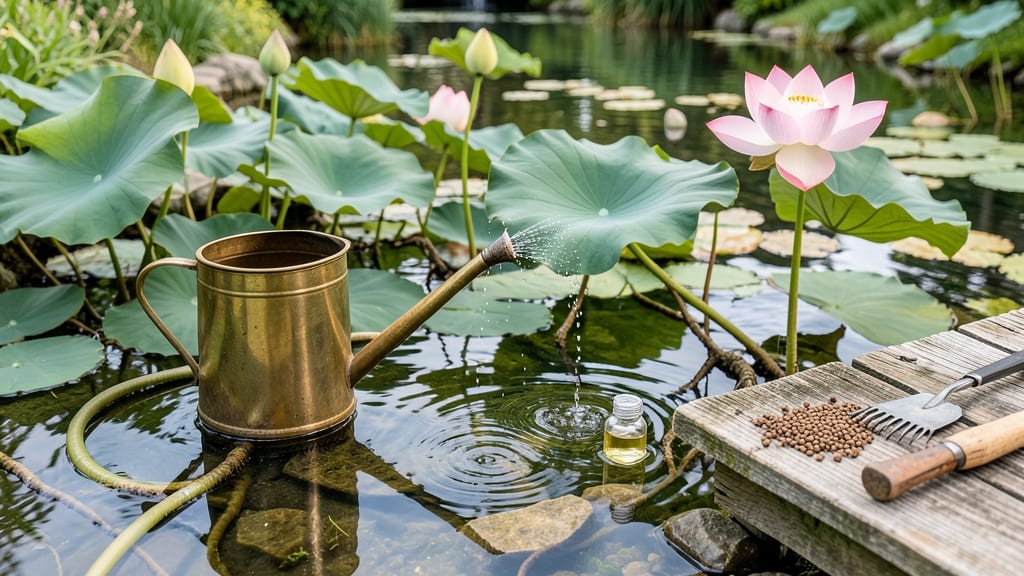
Caring for lotus flowers unlocks nature’s most sacred blooms. 🌿 These aquatic wonders demand patience—thick roots, still water, and full sun—but the reward? Stunning, fragrant blossoms that rise above the surface like golden lotus petals.
I’ve nurtured them through seasons of trial, and the key lies in mimicking their natural habitat with precision.
The foundation starts with 6-12 inches of rich, organic soil for terrestrial varieties or deep containers with sand/peat mix for aquatic types. Water must stay warm (70-85°F) and still—lotuses hate currents.
Fertilize lightly every 4-6 weeks with aquatic plant food, but avoid overfeeding; their roots are sensitive. Sunlight is non-negotiable: 6+ hours daily, or blooms will never open.
Pests like aphids or snails can derail progress, but a neem oil spray or barrier of copper tape keeps them at bay. Prune spent blooms immediately to encourage new growth, and in winter, reduce water levels to protect roots from freezing.
With these steps, your lotus will thrive—emerging each morning as if reborn from the water’s embrace.
Whether you’re cultivating in a pond or a container, consistency is the secret. Avoid common pitfalls like overcrowding or sudden water changes, and soon, your garden will mirror the serene beauty of ancient temple pools. The journey takes time, but the result? Blooms that feel like magic.
📚 In This Guide
- What you need
- Instructions
- Tips and common mistakes
- Wrapping up and next steps
What you need
- ● Lotus rhizomes or tubers: Healthy, firm rhizomes (1-2 per container, depending on size). Look for plump, unblemished ones—avoid soft or mushy spots! 🌿
- ● Large, shallow container: A pot or basin with drainage holes (12+ inches in diameter for mature plants). Plastic or ceramic works well.
- ● High-quality potting mix: A blend of 50% garden soil, 30% sand or perlite, and 20% compost (or a pre-mixed aquatic plant soil). Lotus roots need good drainage!
- ● Slow-release fertilizer: A balanced, water-soluble fertilizer (e.g., 10-10-10 or 20-20-20) for initial planting. Follow label instructions!
- ● Water: Clean, dechlorinated water (let tap water sit for 24 hours or use rainwater). Lotus flowers love hydration!
- ● Pruning shears: Sharp, sterilized shears for trimming dead leaves or stems.
- ● Sunlight access: A sunny spot (6+ hours of direct sunlight daily). A south-facing window or outdoor pond area is ideal!
- ● Gravel or small pebbles: For the bottom of the container to improve drainage.
- ● Liquid fertilizer: For occasional feeding (e.g., once a month during growing season).
- ● Mulch: Organic mulch (like straw) to retain moisture and suppress weeds.
- ● pH test kit: To ensure soil pH is between 6.0–7.5 (lotuses prefer slightly acidic to neutral soil).
- ● Support stakes: If growing tall varieties, lightweight stakes can help prevent toppling.
Step-by-Step guide to reviving and caring for lotus flowers
Here’s how I’ve brought back struggling lotuses—now let’s make yours thrive again.
💧 Step 1: Assess and Prepare the Water Environment
Lotus flowers demand clean, stagnant water—never moving or chlorinated. If your pond water is murky or has an algae bloom, drain and replace at least 50% of it immediately. I use a dechlorinator if I’m refilling from tap water, as chlorine will kill the roots within days. Test the water temperature—lotuses prefer 70-85°F, so avoid cold shock by gradually adjusting if needed.
Check the water depth: 12-18 inches is ideal. Shallow water stresses roots, while deep water risks rot. If your pond is too shallow, add 6-8 inches of clean water over time to avoid sudden changes. You’ll know the environment is right when you see fresh, green leaves emerging within 7-10 days of proper water conditions.
☀️ Step 2: Position for Optimal Sunlight
Lotus flowers need 6-8 hours of direct sunlight daily, but they’ll scorch in intense afternoon sun in hot climates. I place mine in full morning sun with partial afternoon shade—watch for leaves curling or turning yellow as a warning sign. If your lotus is in a container, rotate it quarter-turn weekly to prevent leaning toward the light.
In cooler climates, supplement with a grow light if natural light drops below 4 hours daily. Keep the light 12-18 inches above the plant and on a 14-hour timer to mimic summer conditions. You’ll notice stronger stems and tighter buds within 2-3 weeks of proper lighting.
🌿 Step 3: Fertilize and Prune for Revival
Use a low-nitrogen, high-phosphorus fertilizer (like 5-10-5) every 4-6 weeks during growing season. I mix it into the top inch of pond soil or apply it directly to the water’s surface—never overfeed, as lotuses are sensitive to excess nutrients. After fertilizing, wait 24 hours before adjusting water levels to avoid root burn.
Prune yellowed or damaged leaves at the base with sterilized scissors, cutting ½ inch above a healthy node. Remove spent blooms immediately to redirect energy to new growth. If your lotus has long, leggy stems, trim them back by ⅓ to encourage bushier, stronger regrowth. You’ll see new shoots within 10-14 days of pruning.
✂️ Step 4: Monitor for Pests and Diseases
Inspect leaves weekly for aphids, snails, or fungal spots. I treat aphids with a soapy water spray (1 tsp mild dish soap per gallon) and remove snails by hand—never use chemical pesticides near water. For fungal issues, apply copper-based fungicide sparingly, following label instructions. Preventative care is key: remove debris from the pond and avoid overcrowding plants.
If you spot blackened stems or mushy roots, it’s a sign of root rot. Drain the water, rinse the roots with clean water, and replant in fresh, sterile pond soil. Keep the plant in shallow water (6 inches deep) for 2 weeks to recover. With proper care, you’ll see healthy regrowth within 3-4 weeks.
Tips & tricks for perfect lotus flower revival
Here's what nobody tells you about bringing lotus flowers back from the brink—these tricks make all the difference.
Water Quality is Everything: When replacing water in Step 1, use a pond dechlorinator and let it sit for 24 hours before introducing your lotus. I've seen chlorine burn roots within 12 hours—it's silent damage you won't notice until it's too late. For tap water, I always add a quart of rainwater to the mix, as rainwater contains natural minerals lotuses crave.
Sunlight Secret: In Step 2, if you're in a hot climate, move your lotus to partial shade after 10 AM to prevent leaf scorch. I use a lightweight shade cloth (50% coverage) during peak afternoon sun—this mimics their natural habitat where they emerge from deep water where sunlight is diffused. The 6-8 hours of sunlight should be gentle morning light, not harsh afternoon rays.
Pruning Precision: When pruning in Step 3, make your cuts at a 45-degree angle just above a leaf node. This prevents water from pooling at the cut site, which leads to rot. I sterilize my scissors with rubbing alcohol between cuts to prevent spreading disease. For leggy stems, trim back to ⅓ of their length—this shock treatment forces the plant to put energy into new, stronger growth rather than supporting weak stems.
Pest Prevention: In Step 4, the weekly inspection is non-negotiable. I've caught aphid infestations early by simply running my fingers along the leaves—aphids leave a sticky residue that feels like fine sandpaper. For snails, I place copper tape around the pond edges (they hate copper). This prevents them from climbing out while keeping your lotus safe from their grazing.
Pro Tips for Care For Lotus Flower
- Here's what nobody tells you about bringing lotus flowers back from the brink—these tricks make all the difference.
- Water Quality is Everything: When replacing water in Step 1, use a pond dechlorinator and let it sit for 24 hours before introducing your lotus.
- Sunlight Secret: In Step 2, if you're in a hot climate, move your lotus to partial shade after 10 AM to prevent leaf scorch.
Frequently asked questions
Got questions about keeping your lotus flower thriving?
You’re not alone! Here are answers to the most common concerns—from water needs to troubleshooting—so you can enjoy these stunning blooms with confidence.
How often should I water my lotus flower?
Lotus flowers thrive in shallow water—about 2–4 inches deep. Change the water every 3–5 days to prevent stagnation and algae growth. In hot climates, daily changes may be needed. Avoid tap water; use rainwater or dechlorinated water to protect delicate roots. Pro tip: Add a small handful of aquatic fertilizer monthly for extra nutrients.
When is the best time to plant a lotus flower?
The ideal time is spring or early summer (April–June in most regions), when water temperatures are warm (70°F+). Plant rhizomes in soft, nutrient-rich mud at a depth of 2–3 inches. If planting in fall, do so at least 6–8 weeks before frost to allow roots to establish. Cold water slows growth—wait until temps stabilize!
Can I grow lotus flowers in a pot instead of a pond?
Yes! Use a large, wide container (at least 12 inches deep) with drainage holes and fill it with aquatic soil. Place the pot in a spot that gets 6+ hours of sunlight daily and keep water levels consistent. Pots work well for small gardens or balconies, but monitor water quality closely—stagnant water invites pests. Bonus: Add a small water pump for oxygenation!
Why are my lotus leaves turning yellow or brown?
Yellowing leaves often signal nutrient deficiency, poor water quality, or root rot. Check for:
- Algae/moss in water (clean thoroughly).
- Overcrowded roots (thin out rhizomes if needed).
- Pests (like aphids or snails)—use neem oil or manual removal.
Brown edges? It might be sunburn—provide partial shade during peak afternoon sun. Act fast: Trim damaged leaves and refresh the water immediately.
How do I overwinter lotus flowers in cold climates?
Lotus flowers cannot survive freezing water, but you can save them:
- Dig up rhizomes before frost and store them in moist peat moss in a cool, dark place (40–50°F).
- Keep pots in a garage or basement with minimal water (just enough to cover rhizomes).
- In spring, replant once water temps reach 60°F+.
Pro tip: Label pots to track varieties—some lotuses are hardier than others!
Wrapping up and next steps
Caring for a lotus flower is a rewarding journey that connects you to nature’s serene beauty and timeless grace. By providing the right balance of sunlight, clean water, and gentle attention, you’ll unlock the magic of these sacred blooms thriving in your care.
Now that you’re armed with the knowledge, take the first step today—whether it’s setting up your lotus pond, troubleshooting common issues, or simply admiring their resilience. Your green-thumbed efforts will soon be rewarded with stunning, ethereal blossoms that bring peace to any space. 🌸✨