
Succulent
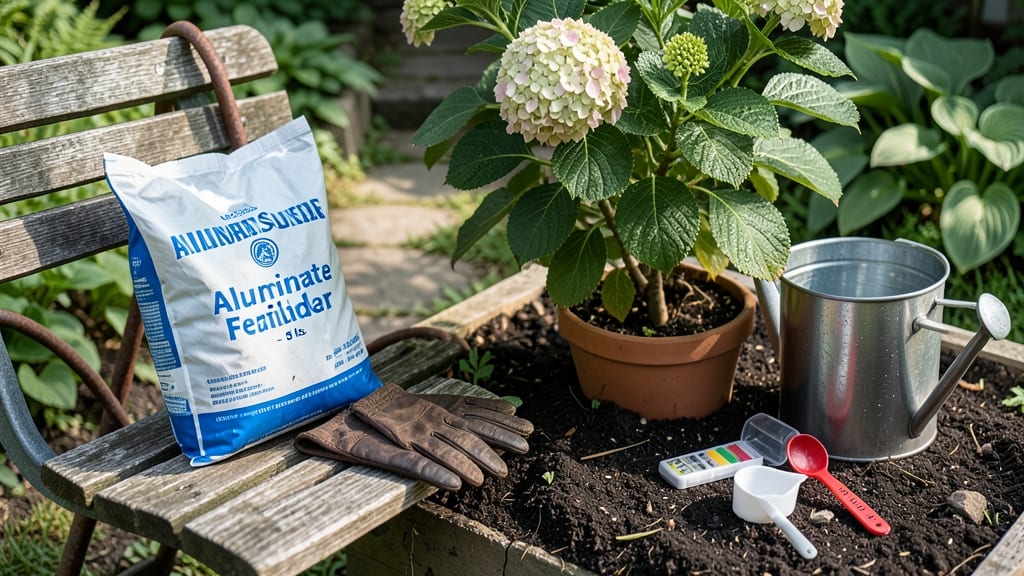
How to change hydrangea color to blue—your garden’s sapphire dreams are just a soil tweak away. 💙 The secret lies in soil pH, and with a few simple adjustments, you’ll transform pink blooms into deep blue ones that steal the show. Most gardeners overlook soil acidity, but hydrangeas are divas about pH—aim for 5.2-5.5 for true blue. Start with a soil test kit (they’re cheap and foolproof), then amend with aluminum sulfate or coffee grounds (yes, the stuff from your morning brew!). Water thoroughly after applying to lock in the change. By late spring, you’ll see buds forming in the color you want—vibrant blue instead of pink. The key is patience: it takes 4-6 weeks for the pH to stabilize, so don’t panic if results aren’t instant. Overdoing amendments? The soil can get too acidic, harming roots. Stick to the 1-2 teaspoon per gallon of soil rule, and test again in a few weeks. Your hydrangeas will thank you with blooms that look like they belong in a botanical garden.
📚 In This Guide
- What you need
- Instructions
- Tips and common mistakes
- Wrapping up and next steps
What you need
- ● Aluminum sulfate (or aluminum sulfate crystals) – 1–2 tablespoons per gallon of water (or follow package instructions for granular forms). Critical: Use food-grade aluminum sulfate to avoid harming plants.
- ● Watering can or garden hose with a spray attachment – For even distribution of the solution.
- ○ Gloves (optional but recommended) – Aluminum sulfate can be slightly abrasive to skin.
- ● pH testing kit (digital or liquid) – To monitor soil acidity (ideal range: 5.0–5.5 for blue blooms).
- ● Garden trowel or fork – For mixing amendments into the soil if needed.
- ○ Peat moss or pine bark mulch (optional but helpful) – 1–2 inches to maintain acidity over time.
- ● Chelated iron – If your soil is very alkaline, a light dose (per package) can boost acidity safely.
- ● Rainwater or distilled water – Tap water with high mineral content can interfere with pH adjustments.
- ● Soil acidifier granules (like Sulfur or Lime Sulfur) – For long-term soil acidification (1–2 pounds per 100 sq. ft.).
- ● Plastic sheeting – To protect nearby plants or pathways from overspray.
Step-by-Step instructions for turning hydrangeas blue
Here's how to transform your hydrangeas from pink to vibrant blue using soil chemistry.
🌱 Step 1: Test Your Soil's Current pH Level
Before making changes, grab a soil pH test kit from your garden center. Hydrangeas need pH 5.0-5.5 for blue blooms, but most garden soils run neutral or alkaline. Dig a 6-inch deep hole near your plant and collect a soil sample from the root zone. Follow the kit instructions—most require mixing soil with distilled water and comparing the color to a chart.
If your results show pH 6.0 or higher, you're starting with alkaline soil, which will turn hydrangeas pink. Don't panic—this is exactly what we'll adjust. I've seen dramatic color changes within just 4-6 weeks after proper soil amendment, so patience pays off. Take a photo of your current blooms for comparison later.
💧 Step 2: Amend Soil with Acidifying Materials
For established hydrangeas, spread 2-3 pounds of aluminum sulfate per 100 square feet around the plant's drip line. Work it into the top 6 inches of soil using a garden fork. This mineral lowers pH by releasing aluminum ions, which hydrangeas absorb to produce blue pigments. Water the amended area thoroughly to help distribute the granules evenly.
For container-grown hydrangeas, mix 1 tablespoon of aluminum sulfate per gallon of potting mix. This ensures even distribution since containers don't have the same soil volume as in-ground plants. I like to add a 1-inch layer of pine bark mulch on top—it slowly acidifies as it breaks down while also suppressing weeds.
☀️ Step 3: Maintain Consistent Moisture and Monitor pH
Hydrangeas need 1-1.5 inches of water weekly, delivered either through rainfall or supplemental watering. Blue blooms develop best when plants receive steady moisture—dry spells stress them and can prevent proper color development. Check soil moisture by sticking your finger 2 inches deep; if it feels dry, water deeply until moisture reaches 6 inches down.
After 4 weeks, retest your soil pH. You should see a drop of at least 0.5-1.0 points. If not, repeat the aluminum sulfate application. I keep a small notebook by my hydrangeas to track pH changes and watering patterns—it's amazing how small adjustments make a difference. Watch for new buds forming; these will determine your final color.
✂️ Step 4: Prune for Next Season's Color
After blooming, prune back any dead or weak stems to encourage stronger growth next year. For bigleaf hydrangeas, cut stems back to 2-3 buds from the base—this promotes vigorous new growth that will produce more abundant blue blooms. Avoid heavy pruning in fall, as new growth won't have time to harden off before winter.
Here's the thing—hydrangeas need time to adjust. Don't expect perfect blue overnight. It often takes 2 full growing seasons for full color transformation, especially if your soil was previously very alkaline. The first year, you might see some blue mixed with pink—this is normal as the plant adjusts to its new diet.
Tips & tricks for perfect hydrangea color transformation
Transforming your hydrangeas from pink to vibrant blue takes patience and precision—but these insider tips will help you achieve stunning results faster and with fewer headaches.
Soil Testing Accuracy: Don't rely on guesswork when testing your soil's pH. Purchase a digital pH meter for precise readings—these cost around $20 and eliminate the guesswork of color charts. I've seen gardeners get false high readings from old test kits, which led to over-amending with aluminum sulfate. Test your soil in multiple spots around the plant, especially if your yard has varied soil types. The 6-inch depth mentioned in Step 1 is critical—surface soil can give misleading results.
Aluminum Sulfate Application Strategy: When spreading the 2-3 pounds of aluminum sulfate per 100 square feet, focus on the plant's drip line where roots actively absorb nutrients. For established plants, divide the application into two sessions—half now and half again in 6 weeks. This gradual approach prevents shocking the plant's root system. For container plants, mix the 1 tablespoon per gallon thoroughly into the top 2 inches of soil, then water immediately to activate the acidifying process. Pro tip: Wear gloves when handling aluminum sulfate, as it can irritate skin.
Watering Technique: The 1-1.5 inches of water weekly requirement might seem straightforward, but timing matters as much as quantity. Water in the morning to allow foliage to dry completely by evening—this prevents fungal issues that can stress your hydrangeas. Use a rain gauge or tuna can to measure water accurately; many gardeners underestimate how much they're actually watering. During the 4-week monitoring period, consider adding a 1-inch layer of pine bark mulch around the base—this helps maintain consistent moisture while slowly acidifying the soil over time.
Pruning Timing: The 2-3 buds from the base pruning guideline is perfect for bigleaf hydrangeas, but timing is everything. Prune immediately after blooming in late summer or early fall, but never in spring when buds are forming. I've seen gardeners accidentally prune off next year's blooms by cutting too late. For dramatic color changes, mark your calendar now—pruning at the right time ensures you'll see vibrant blue blooms the following season. And here's a secret: the more you prune back, the more abundant (but slightly smaller) flowers you'll get next year.
Pro Tips for Change Hydrangea Color To Blue
- Transforming your hydrangeas from pink to vibrant blue takes patience and precision—but these insider tips will help ...
- Soil Testing Accuracy: Don't rely on guesswork when testing your soil's pH. Purchase a digital pH meter for precise r...
- Aluminum Sulfate Application Strategy: When spreading the 2-3 pounds of aluminum sulfate per 100 square feet, focus o...
Frequently asked questions
Got questions about turning your hydrangeas blue? Here are some of the most common ones—and their answers!
How long does it take to see blue hydrangeas after changing soil pH?
Patience is key! With consistent care, you’ll typically see color changes within 2–4 weeks of adjusting soil acidity. However, full blooms may take 6–8 weeks to reflect the new pH. If you’re impatient, check soil pH again after 4 weeks—sometimes adjustments need fine-tuning.
What if my hydrangeas don’t turn blue even after adding aluminum sulfate?
Don’t panic! A few common reasons could be at play:
- Incorrect pH range: Test soil again—aim for 5.0–5.5 for blue blooms.
- Lack of aluminum: Even acidic soil needs aluminum. Try a chelated aluminum supplement or compost rich in organic matter.
- Old wood vs. new growth: Color changes appear on new blooms—old flowers may stay their original hue.
Can I use vinegar to turn hydrangeas blue? Is it safe?
Vinegar is not recommended for long-term pH adjustment. While a quick splash of vinegar can lower pH temporarily, it:
- Can harm beneficial soil microbes.
- Won’t provide lasting aluminum needed for blue blooms.
- May disrupt soil structure over time.
Is there a best time of year to adjust soil pH for blue hydrangeas?
The ideal window is early spring (March–April) or fall (September–October), when:
- Soil is moist but not waterlogged.
- Hydrangeas aren’t actively blooming (avoids stress).
- You have 6–8 weeks before summer heat or winter freeze.
What if my hydrangeas turn purple instead of blue?
Purple blooms usually mean your soil pH is somewhere in the middle (5.6–6.0)—not quite acidic enough for true blue. To deepen the color:
- Add more sulfur or aluminum sulfate (follow package rates).
- Water thoroughly after amending to help distribute pH adjusters.
- Monitor with a soil test kit every 4 weeks until you hit 5.0–5.5.
Wrapping up and next steps
Transforming your hydrangeas into stunning blue blooms is all about patience, consistency, and a little soil science magic! 🌸 By adjusting the pH with aluminum sulfate, monitoring soil acidity, and providing the right care, you’ll unlock those dreamy blue hues in no time.
Don’t forget—healthy plants thrive with proper watering, mulching, and a dash of organic matter.
Now that you’re armed with the know-how, roll up your sleeves and get gardening! Start testing your soil today, and soon you’ll be basking in the glory of those show-stopping blue blooms. Happy gardening! 🌿✨