
Size
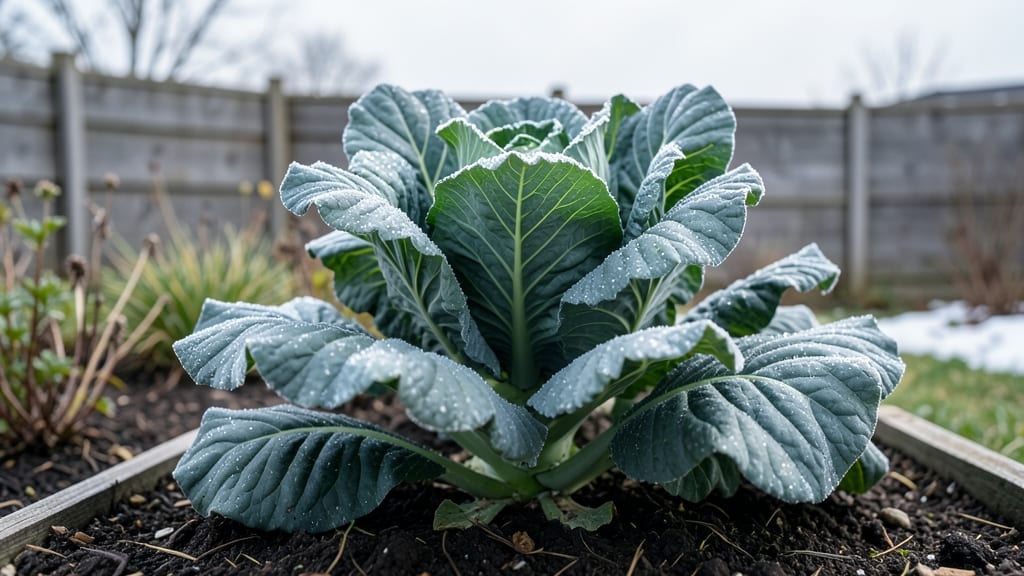
How to grow Dino kale means harvesting giant, tender leaves in just 50 days—no waiting months for harvest. 🌱 I planted my first batch last spring and was stunned by how quickly those blue-green fronds grew, perfect for salads, sautéing, or even raw snacks. The secret lies in timing, soil, and a few simple tricks that keep plants happy and productive.
Start with rich, well-draining soil mixed with compost—Dino kale loves nutrients. Plant seeds ¼-inch deep, 18 inches apart, or set out transplants after the last frost. This variety thrives in cool weather, so don’t rush it: too much heat sends it bolting.
Water consistently to keep soil moist but not soggy, and watch for pests like aphids or cabbage worms early.
By day 30, you’ll see those signature ruffled leaves forming, and by day 50, you’ll have a harvestable mountain. The leaves stay tender longer than curly kale, and the flavor? Mildly sweet with a satisfying crunch. Snip outer leaves first to encourage continuous growth—no need to yank the whole plant.
Here’s the best part: Dino kale grows well in containers or small spaces, making it perfect for beginners or urban gardens. Even if you’ve struggled with other greens, this one’s forgiving. Just give it the right conditions, and you’ll be feasting on homegrown giants in under two months.
📚 In This Guide
- What you need
- Instructions
- Tips and common mistakes
- Wrapping up and next steps
What you need
- ● Seeds: Dino Kale seeds (non-GMO, heirloom preferred). Quantity: 1 packet (about 500 seeds) for a small garden or 2–3 packets for larger harvests.
- ● Containers or Garden Bed: Containers: 5–10 gallon pots (with drainage holes) or grow bags. Quantity: 1 per plant (spaced 12–18" apart).
- ● Garden Bed: Well-draining soil in a sunny spot (6+ hours of sunlight daily). Space: 12–18" between plants in rows 24" apart.
- ● High-Quality Soil: Potting mix (for containers) or loamy garden soil (for beds). Add: 2–3 inches of compost or aged manure for nutrients.
- ● Fertilizer: Balanced organic fertilizer (10-10-10 or compost tea). Application: Mix 1 tbsp per plant at planting and again after 3–4 weeks.
- ● Watering Can or Hose: With a gentle spray nozzle to avoid damaging leaves.
- ○ Mulch (Optional but Recommended): Straw or shredded leaves to retain moisture and suppress weeds.
- ● Hand trowel or small shovel for transplanting.
- ● Pruning shears (for harvesting large leaves).
- ● Row cover or frost cloth (if growing in cooler climates).
- ● pH test kit (ideal soil pH: 6.0–7.0).
- ● Seedling heat mat (if starting indoors in cold weather).
Step-by-step instructions for growing Dino kale
Ready to grow massive, flavor-packed leaves in just 50 days? Dino kale thrives with the right timing and care—here's how to do it right.
🌱 Step 1: Start Seeds Indoors 4-6 Weeks Before Last Frost
Fill 2-3 inch deep seed trays with moistened seed-starting mix, pressing lightly to remove air pockets. Dino kale seeds germinate best at 65-75°F, so I place my trays on a seedling heat mat. Sow seeds ¼ inch deep, spacing them 1 inch apart—they don’t like being crowded.
Cover with a humidity dome or plastic wrap to retain moisture, then place under grow lights 2-3 inches above the soil. Keep the soil consistently moist but never soggy—you’ll see sprouts in 5-10 days. Once seedlings have 2-3 true leaves, they’re ready to transplant outdoors.
☀️ Step 2: Harden Off and Transplant After Frost
Start hardening off seedlings 1 week before transplanting by placing them outside in partial shade for 1-2 hours daily, gradually increasing exposure. Dino kale tolerates cool weather, so I transplant as soon as soil is workable—even if frost is still possible.
Choose a sunny spot with full sun to partial shade (6+ hours of light). Space plants 12-18 inches apart in rows 2 feet apart to allow for their broad leaves. Dig holes slightly deeper than the root ball and water deeply after planting to help roots establish.
💧 Step 3: Water Deeply and Maintain Consistent Moisture
Dino kale loves moisture but hates soggy roots. Water 1-2 inches per week, aiming for deep, infrequent watering rather than frequent shallow drinks. The soil should stay evenly moist—if the top inch feels dry, it’s time to water.
Mulch around plants with 2-3 inches of organic mulch to retain moisture and suppress weeds. This is especially important in hot weather, as Dino kale’s large leaves transpire a lot of water. Avoid overhead watering to prevent fungal diseases like downy mildew.
✂️ Step 4: Harvest Leaves for Continuous Growth
Start harvesting outer leaves when they reach 6-8 inches long, cutting just above a set of leaves to encourage regrowth. This method keeps the plant producing for 50-60 days or longer. Dino kale’s thick, curly leaves handle harvesting well—don’t wait until the whole plant is mature.
For the biggest leaves, reduce harvesting frequency as temperatures rise. In cooler weather, the plant bolts less and keeps producing. If you notice flower stalks forming, snip them immediately—they’ll make leaves bitter and stop regrowth.
🌿 Step 5: Extend the Season with Successive Plantings
For a continuous harvest, sow new seeds every 2-3 weeks until 6 weeks before your first frost. Dino kale grows well in fall and even overwinters in mild climates. In cold regions, protect plants with row covers or cold frames to extend the season.
Fertilize lightly with compost tea or a balanced organic fertilizer every 3-4 weeks to keep growth robust. With the right care, you’ll enjoy a steady supply of giant, tender leaves perfect for salads, sautéing, or massaging into chips!
Tips & tricks for growing massive Dino kale leaves
These game-changing strategies will help you grow the biggest, most flavorful Dino kale in just 50 days!
Germination Secret: Dino kale seeds need that perfect 65-75°F temperature to sprout reliably. I place my seed trays on a heat mat and keep them covered with plastic wrap to maintain humidity. The 5-10 days wait for sprouts feels long, but patience here means stronger seedlings. Pro tip: Use a spray bottle to mist the soil daily—this keeps moisture consistent without overwatering.
Transplant Timing: The 1 week hardening-off period is crucial for toughening up seedlings. Start with just 1-2 hours in partial shade, then gradually increase exposure. I've seen seedlings wilt dramatically if moved too quickly—go slow! Also, transplant as soon as soil is workable, even if frost is still possible. Dino kale's cold hardiness means you can get a jump on the season.
Watering Wisdom: Those 1-2 inches per week of water are non-negotiable for giant leaves. I use a rain gauge to track rainfall and only water when needed. The key is deep watering—aim for the roots, not just the surface. Mulching with 2-3 inches of organic material helps maintain that perfect moisture level while preventing weeds from competing with your kale.
Harvest Hack: Start cutting leaves when they reach 6-8 inches long, always leaving the center growth point intact. This encourages continuous production for 50-60 days. I harvest every 2-3 days in cool weather but extend to 4-5 days when temperatures rise. Watch for flower stalks—they'll ruin your harvest if left unchecked!
Pro Tips for Grow Dino Kale
- These game-changing strategies will help you grow the biggest, most flavorful Dino kale in just 50 days!
- Germination Secret: Dino kale seeds need that perfect 65-75°F temperature to sprout reliably. I place my seed trays o...
- Transplant Timing: The 1 week hardening-off period is crucial for toughening up seedlings. Start with just 1-2 hours ...
Frequently asked questions
Got questions about growing Dino Kale? You’re not alone—this fast-growing superstar has a few quirks! Here are the answers to the most common questions to help you grow a thriving patch with ease.
How long does it take for Dino Kale to mature?
Dino Kale is a speed demon in the kale world! From seed to harvest, expect 50–60 days in cooler weather (50–70°F). If temperatures climb above 80°F, growth slows, and leaves may bolt (go to seed). For year-round harvests, plant successive crops every 2–3 weeks in spring and fall.
Can Dino Kale survive frost?
Dino Kale is a cold-hardy champion—it thrives in light frosts and even tolerates temps down to 20°F. In fact, a light frost can sweeten its flavor. Just avoid heavy freezes or snow cover, which may damage tender leaves. Bonus: It’s one of the last greens to bolt in spring!
What’s the best way to harvest Dino Kale?
Harvest leaves when they’re 12–18 inches tall for the best texture. Use clean scissors or your fingers to snip outer leaves, leaving the inner growth intact. This method encourages continuous harvests for months! For baby leaves, harvest at 6–8 inches—they’re perfect for salads.
What pests should I watch for, and how do I prevent them?
Dino Kale is pest-resistant, but keep an eye out for cabbage worms, aphids, and slugs. Prevention tips:
- Row covers deter flying pests like cabbage moths.
- Neem oil or soapy water sprays work for aphids.
- Beer traps (yes, really!) or copper barriers stop slugs.
- Interplant with herbs like dill or basil to repel pests naturally.
Can I grow Dino Kale in containers?
You bet! Dino Kale is container-friendly—just use a pot at least 12 inches deep with drainage holes. A 5-gallon bucket works great for 1–2 plants. Ensure it gets 6+ hours of sun daily and keep soil consistently moist. Pro tip: Mix in compost for nutrient-rich growth!
What can I plant after Dino Kale?
Dino Kale is a heavy feeder, so replenish nutrients before planting successors. Great follow-up crops include:
- Root veggies (carrots, beets) – they love loose soil.
- Alliums (garlic, onions) – they deter pests naturally.
- Beans or peas – they fix nitrogen in the soil.
Add compost or aged manure to the bed before replanting for a nutrient boost.
Wrapping up and next steps
Growing Dino kale is a rewarding journey that yields huge, flavorful leaves in just 50 days—perfect for salads, smoothies, or sautéing! With the right soil, spacing, and care, you’ll enjoy a fast, bountiful harvest that’s both nutritious and delicious.
Whether you’re a beginner or a seasoned gardener, these tips make it easy to grow like a pro.
Now that you’re armed with knowledge, roll up your sleeves and plant those seeds! Start small, track your progress, and soon you’ll be reaping giant, dinosaur-sized leaves to share with friends or savor yourself. Happy growing! 🌱