
Pests
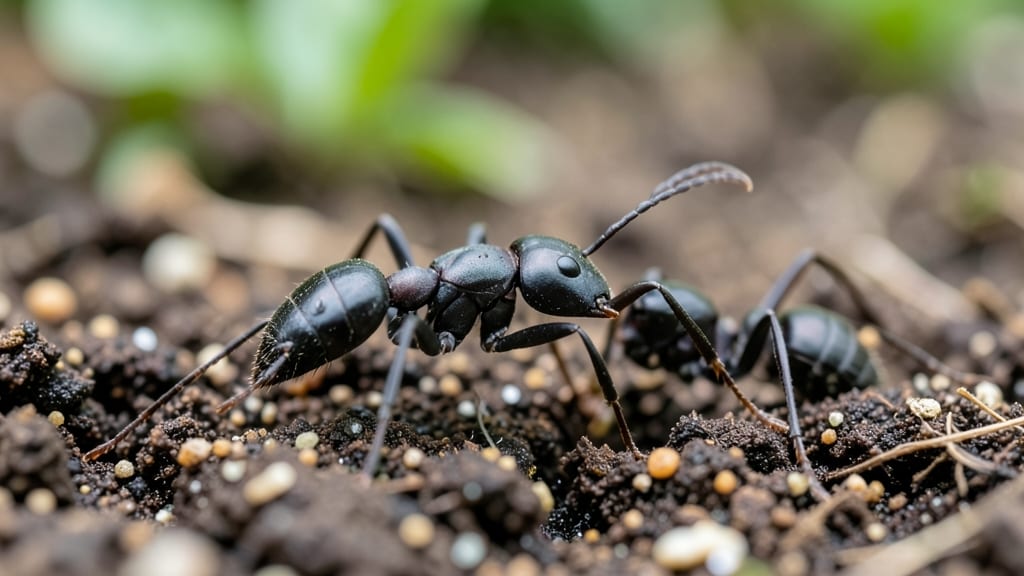
Here’s how to get rid of ants in the garden soil—boiling water doesn’t just kill ants, it obliterates their colonies. 🌱 I’ve used this method for years to clear out stubborn ant trails in my garden beds without chemicals, and the results are immediate. The secret is precision: pouring the water along their pathways cuts off their escape routes while suffocating the queen and workers below.
You’ll need just a kettle, some patience, and a sunny afternoon. Start by identifying their main trails—look for tiny lines of ants marching toward your plants.
Then, pour boiling water directly along those paths, focusing on the soil’s surface where they travel. Repeat for 3-5 days to break their cycle completely.
The best part? Your plants stay safe, the soil remains undisturbed, and you avoid harming beneficial insects. Within a week, you’ll notice fewer ants, and your garden’s health will rebound faster than with chemical treatments. This method works for fire ants, pavement ants, and even carpenter ants in the soil.
For recurring problems, combine this with diatomaceous earth around plant bases or citrus peels scattered in infested areas. The boiling water handles the immediate threat, while these extras prevent future invasions. Your garden will thank you with fewer raids and more thriving plants.
Root Causes Of Soil Ant Infestations
Ants don’t just randomly invade your garden—they’re drawn by specific conditions that make your soil an ideal home. Understanding these triggers is the first step to stopping them before they build their colonies. Here’s why your garden might be their next favorite spot:
---
Ants thrive in environments where moisture levels are balanced—not too dry, not too soggy. Your garden soil might be an all-you-can-eat buffet for them because:
- Watering habits: Overwatering or poor drainage creates damp pockets in the soil, which ants adore.
They need moisture to survive, and excess water also helps them dig deeper tunnels faster. - Pro tip: 💡 If your soil stays damp for more than 24 hours after watering, ants will see it as a permanent hotel suite. - Organic decay: Compost piles, rotting wood, or leaf litter provide both moisture and food.
Ants farm fungi and bacteria in these zones, turning your garden into their underground farm. - Irrigation systems: Drip lines or sprinklers can create predictable moisture zones, signaling ants that this is a reliable food and nesting source.
Actionable insight: If your soil feels like a sponge after watering, adjust your irrigation schedule or improve drainage with sand or gravel.
---
Ants are scavengers—they’ll follow food trails like GPS systems. Common garden attractants include:
| Food Type | Why Ants Love It | How to Spot It | |---------------------|-----------------------------------------------|---------------------------------------------| | Sugary nectar | Ants farm aphids for honeydew, a sugary secretion. | Sticky residue on plants or ants crawling on stems. | | Protein-rich debris | Dead insects, pet waste, or composted meat attract worker ants. | Piles of mulch, fallen fruit, or pet areas near the garden. | | Starches & seeds | Ants eat seeds, grains, and even young seedlings. | Missing seeds in seed trays or ants near plant bases. |
🔥 Hotspot alert: Aphid infestations are a major red flag. These tiny pests produce honeydew, which ants harvest like a fast-food drive-thru.
---
Healthy ecosystems keep ant populations in check. But if your garden lacks predators, ants multiply unchecked:
- Birds & toads: These creatures eat ant eggs and larvae. If you don’t see them, ants won’t either. - Ground beetles & spiders: They prey on ant pupae and workers.
A decline in these bugs = more ants. - Competition: Other insects (like earwigs or rove beetles) also need space. If they’re missing, ants take over.
🌡️ Quick check: Dig a small section of soil (6 inches deep). If you find no signs of beetles, spiders, or worm castings, your ecosystem is out of balance.
---
Ants prefer soil that’s easy to excavate. Compacted or overly sandy soil can actually invite them because:
- Loose soil: Ants dig tunnels effortlessly in crumbly, organic-rich soil (think compost or topsoil). - Hardpan layers: If your soil has a dense layer beneath the surface, ants will avoid it—until they hit a softer zone below, where they’ll build their colony. - Disturbances: Recent tilling or digging can expose ant trails, making them more visible (and tempting to expand).
✨ Pro move: Test your soil’s compaction by pressing a finger into it. If it springs back slowly, ants will love it.
--- Ants are opportunistic, and certain conditions make them more aggressive:
- Warmth: Ants are most active between 60–90°F.
If your garden stays in this range for weeks, they’ll reproduce faster. - Drought stress: Dry soil forces ants to seek moisture deeper underground, where they’ll nest permanently. - Seasonal swarms: In spring and summer, queen ants lay eggs, flooding the soil with workers.
A sudden ant surge? Blame the weather.
🎯 Timing tip: Early spring is prime time for ant scouts to survey your garden. Act before you see trails!
Natural Fixes for Ant-Infested Garden Soil
Ants in your garden soil aren’t just a nuisance—they can disrupt plant growth, damage roots, and even invite other pests. The good news? You don’t need harsh chemicals to tackle them.
Below are targeted, eco-friendly solutions tailored to the most common causes of ant invasions, plus prevention tips to keep them from returning.
---
If your soil is too damp (a magnet for carpenter ants, fire ants, or pavement ants), reduce moisture to disrupt their trails and nesting.
- 🔥 Improve Drainage - Rake soil to loosen compacted areas where water pools. - Add coarse sand or perlite (1–2 inches) to heavy clay soil to improve airflow. - Install French drains or shallow trenches filled with gravel if waterlogging is severe.
- 🍳 Adjust Watering Habits - Water early in the morning (not at night) to let soil dry faster. - Avoid overwatering—stick to 1–1.5 inches per week (check with a trowel: top 1–2 inches should dry between waterings). - Target watering at plant bases instead of flooding the entire bed.
- ✨ Pro Tip: Place diatomaceous earth (DE) lightly around ant mounds—it dehydrates them without harming plants (reapply after rain).
---
Ants follow scent trails to food sources. If you spot them marching toward your fruit trees, compost, or pet food, remove the bait and disrupt their routes.
- 👨🍳 Seal Food Sources - Store compost bins away from garden edges (at least 5 feet) and use metal or wire mesh to block access. - Harvest overripe fruit immediately—ants swarm to fermenting sugars. - Keep pet food bowls indoors or clean up spills with vinegar (ants hate the smell).
- 🥘 Natural Repellents on Trails - Sprinkle coffee grounds (fresh or used) along ant paths—the caffeine confuses their scent trails. - Mix 1 part vinegar to 1 part water in a spray bottle and apply to active trails (reapply after rain). - Cinnamon or cayenne pepper (dust lightly) acts as a barrier—they avoid the spicy scent.
- 🔪 Boiling Water Barrier (Your Secret Weapon!) - Pour boiling water directly into ant mounds or along trails to smother colonies without chemicals. - For large infestations, use a garden hose with a spray nozzle and hot water (not boiling) to flush them out. - Best time: Early morning when ants are most active.
---
If you see tiny craters or sand-like mounds, ants are tunneling underground. Starve them out and make their homes uninhabitable.
- 💡 Remove the Queen (If Possible) - Locate the nest (follow worker trails to the largest mound). - Dig 6–12 inches deep where the mound meets the soil—queens lay eggs in deeper chambers. - Drop a few drops of dish soap into the hole to suffocate remaining ants (eco-friendly alternative to pesticides).
- 🌡️ Heat Treatment for Deep Nests - Use a propane torch (safely!) to heat the mound’s surface—ants flee extreme heat. - For stubborn nests, solarize the soil: Cover the area with clear plastic sheeting for 4–6 weeks in sunny weather (kills eggs and larvae).
- 🎯 Plant Ant-Repelling Ground Covers - Mint, lemongrass, or lavender (crush leaves to release oils). - Chives or garlic (plant around borders—they emit sulfurs ants avoid). - Clove-scented plants like pennyroyal (use sparingly—it’s toxic to pets).
---
Once ants are gone, keep them out with these low-effort strategies:
| Problem | Solution | How to Do It | |---------------------------|---------------------------------------|------------------------------------------| | Attracted to mulch | Use gravel or rubber mulch | Replace organic mulch (like wood chips) with inorganic options. | | Weak plants | Strengthen roots with compost tea | Brew aerated compost tea and water plants weekly. | | Cracks in hardscapes | Seal gaps with caulk or copper tape | Ants use tiny cracks to invade patios/walls. | | Wildlife attractants | Remove bird feeders, fallen fruit | Keep feeders 10+ feet from the garden. |
--- If you’re dealing with: - Fire ants (aggressive, painful stings). - Carpenter ants (damaging wood structures). - No improvement after 2–3 weeks of DIY methods.
A local pest control expert can assess whether targeted baits (like borax-based gels) or professional-grade treatments are needed.
--- Remember: Ants are ecosystem helpers—only intervene if they’re causing harm. For most gardens, boiling water, drainage fixes, and scent barriers work wonders without disrupting nature’s balance. 🌿
Frequently asked questions
Will boiling water harm my plants if I use it on ant trails?
No, boiling water is safe for most plants when used correctly. Focus only on the ant trails and soil surface—avoid pouring directly on plant stems or leaves. The heat targets the ants in the soil while leaving roots and foliage unharmed. For delicate plants, use hot (not boiling) water from a hose instead.
How long does it take to see results after treating ant mounds?
You’ll typically notice fewer ants within 24-48 hours of treatment, but complete elimination takes 3-5 days of consistent action. The boiling water method works fastest, but combining it with diatomaceous earth or vinegar spray creates a stronger barrier. Patience is key—ants rebuild trails quickly if you stop too soon.
What's the best time of day to treat ant trails?
Early morning (between 6-9 AM) is ideal because ants are most active when the ground is damp and temperatures are mild. This gives you the best chance to catch workers carrying food back to the nest. Avoid treating in direct sunlight—ants retreat underground when it gets too hot.
Can I use vinegar on ant mounds instead of boiling water?
Vinegar is effective for disrupting trails but won't kill the colony like boiling water. Mix equal parts white vinegar and water in a spray bottle and apply directly to mounds and trails. For best results, combine vinegar with boiling water treatments—vinegar confuses their scent trails while the heat eliminates the nest.
Will this method work for fire ants or just regular garden ants?
Yes, boiling water works on all soil-dwelling ants, including fire ants and carpenter ants. For fire ants, you may need to repeat the treatment more frequently (every 2-3 days) since their mounds are deeper. Always wear gloves when handling fire ant mounds—their bites can be painful. The key is persistence with both the boiling water and removing food sources.