
Propagation
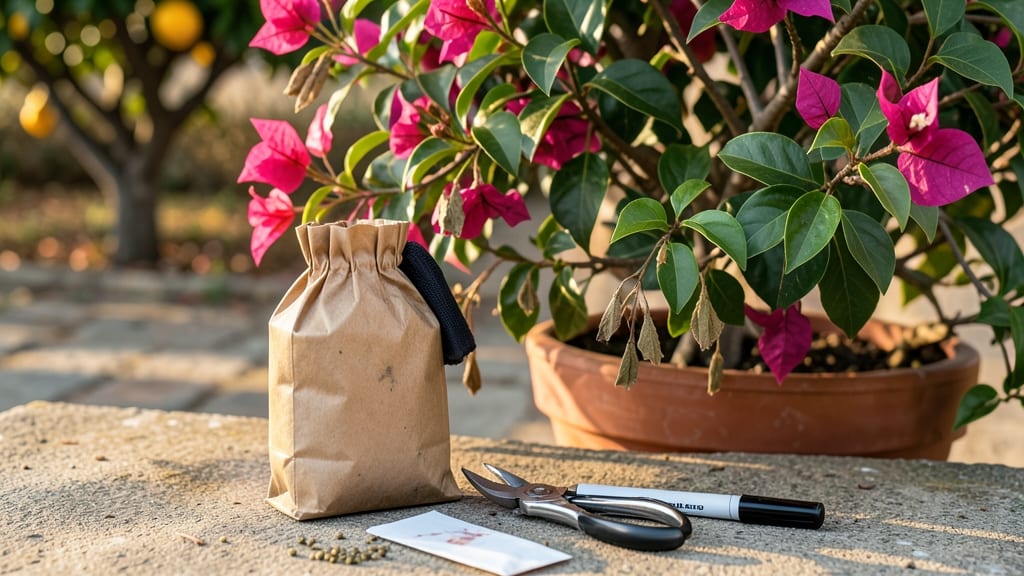
How to collect bougainvillea seeds from those papery pods is like unlocking nature’s time capsule—waiting to grow new plants from your favorite variety. 🌿 The trick is knowing exactly when to harvest them before they shatter and scatter seeds everywhere, leaving you with nothing but empty husks.
You'll need just three things: sharp pruning shears, a paper bag for collection, and a sunny spot to dry them. The best time to harvest is late fall or winter when pods turn brown and papery—never cut them green or you'll ruin the seeds inside.
Once you crack open those pods, you'll find tiny, grain-like seeds that need 6-8 weeks of drying time before storing. Properly dried seeds keep for years, but germination rates drop if you rush the process or store them damp.
Here's the secret: soak seeds for 24 hours before planting to break dormancy, then use a heat mat to speed up germination. Patience pays off—these tropical beauties take 4-6 weeks to sprout, but the wait is worth it for vibrant new growth.
📚 In This Guide
- What you need
- Instructions
- Tips and common mistakes
- Wrapping up and next steps
What you need
- ● Mature Bougainvillea Plant: A healthy, flowering plant (preferably 2-3 years old) with dried seed pods. Look for Bougainvillea spectabilis or similar varieties.
- ● Sharp Pruning Shears or Scissors: A pair of clean, sterilized shears (preferably bypass pruners) to snip dried pods without damaging the plant.
- ● Paper Bags or Envelopes: 3-5 breathable brown paper bags or seed envelopes (size: 4x6 inches) to store pods while they dry.
- ● Labeling Tags or Markers: Small tags or a permanent marker to label pods with the plant variety and collection date.
- ○ Glove (Optional but Recommended): A pair of thin gardening gloves to protect your hands from thorns or potential irritation.
- ● Small Hammer or Mallet: A lightweight tool (like a rubber mallet) to gently crack open dried pods if needed.
- ● Fine-Mesh Sieve or Sifter: A small sieve (mesh size: 1-2mm) to separate seeds from chaff or debris.
- ● Drying Tray or Paper Towels: A flat surface or paper towels to lay out seeds for final drying (2-3 days).
- ● Air-Tight Container: A small jar or resealable bag (with silica gel packets, if possible) to store seeds in a cool, dry place.
- ● Desiccant Packets: Silica gel packets to absorb moisture and extend seed viability.
- ● Hand Lens or Magnifying Glass: For inspecting seeds for pests or damage.
- ● Spray Bottle with Water: To lightly mist seeds if they’re too dry during storage.
- ● Notebook or App: To log seed collection details (e.g., pod size, color, germination notes).
Step-by-Step instructions for collecting bougainvillea seeds
Here’s how I turn those papery pods into viable seeds—no guesswork, just clear steps.
🌿 Step 1: Identify and Harvest Ripe Seed Pods
Bougainvillea pods turn from green to a papery brown when fully ripe—this is your cue to harvest. I wait until they’re completely dry and brittle to the touch, usually in late fall or winter after the flowering season. Gently twist or cut the pods from the stem with clean pruners, avoiding any green or unripe pods.
Collect pods in a paper bag to prevent moisture buildup, which can cause premature sprouting or mold. If pods are still green, leave them on the plant—they won’t produce viable seeds. You’ll know they’re ready when a light tap makes them rattle like dried leaves.
🪴 Step 2: Dry and Extract the Seeds
Spread the harvested pods in a single layer on a dry, well-ventilated surface for 3-5 days. I use a mesh screen or a cardboard box lined with newspaper to allow airflow. Avoid direct sunlight, which can overheat and damage the seeds inside.
Once fully dry, open each pod carefully—you’ll find 3-5 small, hard seeds inside, each about the size of a pinhead. Remove the seeds and discard the empty pods. Store the seeds in a paper envelope (not plastic) in a cool, dry place until ready to sow. Bougainvillea seeds stay viable for 1-2 years if stored properly.
☀️ Step 3: Stratify Seeds for Better Germination
Bougainvillea seeds benefit from a stratification process to break dormancy. Place the seeds in a small container with a mix of sand and peat moss (equal parts), then refrigerate for 4-6 weeks. I label the container with the date to track the stratification period accurately.
Check the seeds weekly—if they feel damp or mold appears, adjust the container to improve airflow. After stratification, remove the seeds and let them dry slightly before sowing. This step mimics winter conditions and tricks the seeds into thinking they’ve survived a natural cycle, boosting germination rates.
💧 Step 4: Sow the Seeds in a Warm, Moist Environment
Fill small pots with well-draining seed-starting mix and sow the seeds ¼ inch deep. I use 2-3 inch pots to give each seedling enough space to grow without crowding. Water the soil lightly until it’s evenly moist but not soggy—you want the surface to feel damp, not wet.
Cover the pots with plastic wrap or a humidity dome to retain moisture and warmth. Place them in a warm spot (around 70-75°F)—a seedling heat mat works wonders if you’re in a cooler climate. Germination can take 2-4 weeks, so patience is key. Keep the soil consistently moist but never waterlogged.
⏰ Step 5: Transplant Seedlings and Encourage Growth
Once seedlings develop 2-3 true leaves, they’re ready to move into slightly larger pots (around 4 inches wide). I harden them off by placing them outdoors in a shaded spot for 1-2 hours the first day, gradually increasing exposure over 7-10 days. This helps them adjust to outdoor conditions without shock.
Bougainvillea seedlings grow slowly at first, so don’t rush them. Keep the soil moist but well-draining, and provide bright, indirect light until they’re strong enough for full sun. You’ll see faster growth once they’re established—just be prepared for a wait. With care, you’ll have vibrant bougainvillea plants in 1-2 years.
Tips & tricks for perfect bougainvillea seed collection
Here's what I wish I knew when I first tried growing bougainvillea from seed—these tricks make all the difference.
Pod Selection: The ripest pods will have a papery brown color and make a rattling sound when tapped. I learned this the hard way by harvesting green pods—none of those produced viable seeds. If you're unsure, cut open a pod to check for fully formed seeds inside before harvesting a whole batch. This saves time and frustration later.
Drying Strategy: For the 3-5 day drying period in Step 2, I recommend using a mesh screen over a cardboard box—this creates airflow while keeping the pods contained. Place them in a spot with indirect light to prevent overheating. If you're in a humid climate, add a small fan nearby to speed up the process safely.
Stratification Hack: When refrigerating seeds for 4-6 weeks, I place a small piece of chalk next to the container as a moisture indicator. If the chalk shows signs of dampness, I know the seeds need better airflow. This simple trick prevents mold while ensuring proper stratification. The date label is crucial—mark it clearly so you don't forget when to plant!
Germination Environment: The 70-75°F warm spot mentioned in Step 4 can be tricky without a heat mat. I've had success using a sunny windowsill in summer or placing pots on top of a refrigerator (not inside). Just monitor the soil—it should feel like a damp sponge, never soggy. If condensation forms on the plastic wrap, the humidity is too high and needs adjusting.
Pro Tips for Collect Bougainvillea Seeds
- Here's what I wish I knew when I first tried growing bougainvillea from seed—these tricks make all the difference.
- Pod Selection: The ripest pods will have a papery brown color and make a rattling sound when tapped.
- Drying Strategy: For the 3-5 day drying period in Step 2, I recommend using a mesh screen over a cardboard box—this creates airflow while keeping the pods contained.
Frequently asked questions
Got questions about collecting and using bougainvillea seeds? You’re not alone—this vibrant plant has its quirks! Here are some of the most common queries (and their answers) to help you navigate the process like a pro.
When is the best time to collect bougainvillea seeds?
Collect seeds when the papery pods naturally turn brown and start splitting open (usually late summer to early fall in warm climates). Avoid green pods—they’re not ready! If you miss the season, store dried pods in a cool, dry place for up to 6 months until you’re ready to harvest.
How do I know if the seeds inside are viable?
Viable bougainvillea seeds are plump, firm, and light brown (not shriveled or dusty). To test viability, soak a few seeds in water for 24 hours—if they swell, they’re good to go! For extra peace of mind, plant a few and monitor germination rates (it can take 2–4 weeks).
Why aren’t my seeds germinating? Troubleshooting tips!
Bougainvillea seeds are fussy—here’s what might be going wrong:
- Cold shock: Seeds need a warm start (70–80°F). Use a heat mat if your home is chilly.
- Moisture issues: Keep soil consistently damp (not soggy) and use a humidity dome.
- Old seeds: Viability drops after 6–12 months. Fresh is best!
- Light needs: Seeds germinate best in darkness—cover the tray until sprouts appear.
Can I grow bougainvillea from cuttings instead of seeds?
Cuttings are easier and faster (root in 2–4 weeks). Snip 4–6-inch stems from healthy growth, strip lower leaves, and dip in rooting hormone before planting in moist perlite or sand. Bougainvillea rarely produces true-to-type seeds, so cuttings preserve the parent plant’s color and traits.
Do bougainvillea seeds need stratification or scarification?
Nope! Unlike some seeds, bougainvillea doesn’t require cold stratification or scarification. Their tough outer coating softens naturally with warmth and moisture. Just soak seeds overnight in lukewarm water before planting to speed up germination (optional but helpful for stubborn seeds).
Pro Tip:
Label your seed packets or pods right away with the variety name and collection date. Bougainvillea hybrids (like ‘San Diego Red’) won’t breed true from seed—you’ll likely get a colorful surprise instead of a carbon copy!
Wrapping up and next steps
Collecting bougainvillea seeds is a rewarding way to propagate these vibrant plants and expand your garden! 🌱 With patience and the right techniques—like harvesting dried pods, cleaning the seeds, and storing them properly—you’ll be well on your way to growing new bougainvillea beauties.
Now that you’ve mastered the process, why not plant those seeds and watch your garden bloom with fresh, thriving plants?
Ready to take the next step? Grab your seeds, prepare your soil, and start germinating—your bougainvillea adventure begins now! 🌸