
Propagation
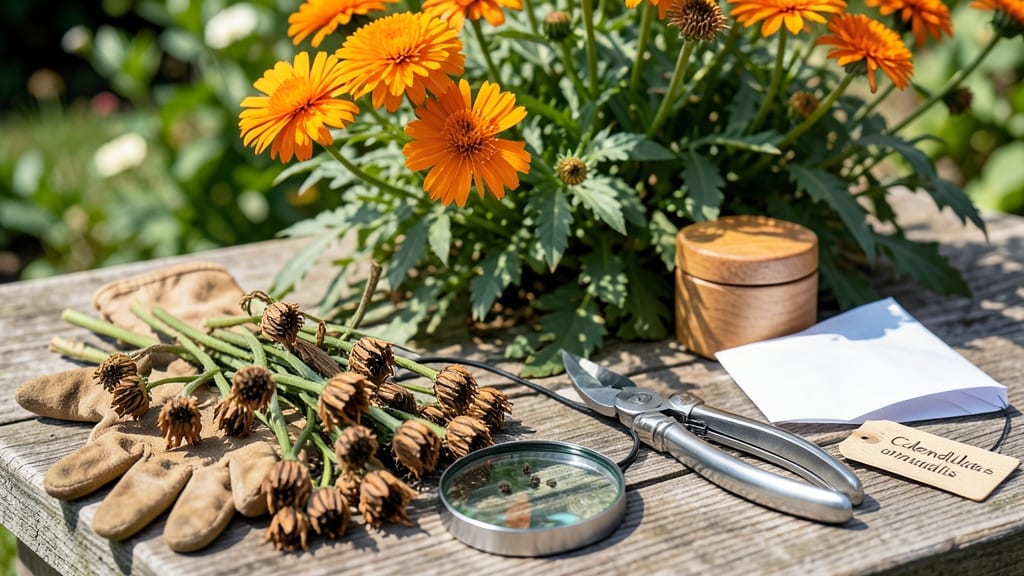
When and how to identify mature calendula seed pods for harvesting
Collecting calendula seeds starts with knowing exactly when to harvest. These cheerful flowers may look done after blooming, but their seed pods are where the magic happens. The key is watching for visual cues that signal maturity—like dried petals and changing pod colors.
Begin by letting spent blooms remain on the plant after petals fade. This allows the seed pods to develop fully. In late summer or early fall, these pods will transform from green to a papery brown, indicating they’re ready for collection.
Here’s what to look for: dried petals that crumble easily and seed pods that feel crisp to the touch. Avoid harvesting too early—immature pods won’t yield viable seeds, and waiting too long risks them bursting open and scattering seeds everywhere.
Step-by-Step Guide to Harvesting Calendula Seed Pods
- Step 1: Wait until petals fully dry and fall away naturally. This usually happens 4-6 weeks after flowering.
- Step 2: Check for brown, papery seed pods. Gently squeeze one—if it crumbles slightly, it’s ready.
- Step 3: Use clean scissors or fingers to snip or twist off the entire pod cluster. Avoid damaging nearby blooms.
- Step 4: Place pods in a paper bag or envelope to dry further, away from direct sunlight.
- Step 5: Once fully dry (1-2 weeks), gently rub pods between your fingers to release seeds.
🌼 Pro Tip: Harvest on a dry, sunny morning to ensure pods are at their driest.
Timing is everything—harvest too early, and seeds won’t germinate. Too late, and they’ll scatter. Aim for late summer to early fall, when most calendula varieties in USDA Zone 6a are finishing their blooming cycle.
Avoid these common mistakes that waste potential harvests: picking pods too soon (they’ll be green and moist), ignoring disease signs (like moldy pods), or storing seeds in plastic bags (which traps moisture and reduces viability).
Once you’ve mastered spotting mature pods, you’re ready to move on to extracting and storing those seeds for next year’s garden. The next step ensures your hard work pays off with high-quality, viable seeds!
Remember, calendula seeds can stay viable for 2-3 years if stored properly. That means you can save seeds from this year’s harvest to grow next year’s heirloom plants—saving money and ensuring consistent varieties.
Now that you’ve identified the perfect pods, let’s explore the best ways to extract and store those seeds so they’re ready for planting when spring arrives.
Best methods for extracting and storing calendula seeds long-term
Once you’ve identified your mature calendula seed pods, the next step is extracting and storing them properly to ensure high germination rates for next season. Skipping this step can lead to dried-out seeds or moldy storage containers—neither of which will help you grow your garden.
Let’s break down the best methods to preserve your seeds like a pro.
There are two primary ways to extract seeds: hand-picking or drying whole pods. Each method has its own advantages, depending on your time and patience. For example, hand-picking is great for small batches, while drying pods works well for larger harvests.
The key is to choose the method that fits your workflow and garden size.
🌼
After extraction, store your seeds in a cool, dark place with low humidity to prevent mold. I recommend using paper envelopes for small batches or airtight containers with silica gel packets for larger quantities. Label each container with the variety name and harvest year to avoid confusion later.
Did you know? Properly stored calendula seeds can remain viable for up to 3-5 years, though germination rates drop after the first year. To maximize success, store seeds in the freezer for long-term preservation—this slows down moisture loss and maintains viability longer than room-temperature storage.
Before planting, always perform a viability test by placing a few seeds in water. If they sink, they’re likely good to grow; if they float, they’ve lost viability. This simple step saves you from wasting time on seeds that won’t sprout.
For best results, plant your seeds in early spring, just as the soil warms up.
With these methods, you’ll have a reliable seed stash ready for next year’s garden, ensuring your calendula blooms return year after year without breaking the bank. Happy seed saving!