
Companion Plants
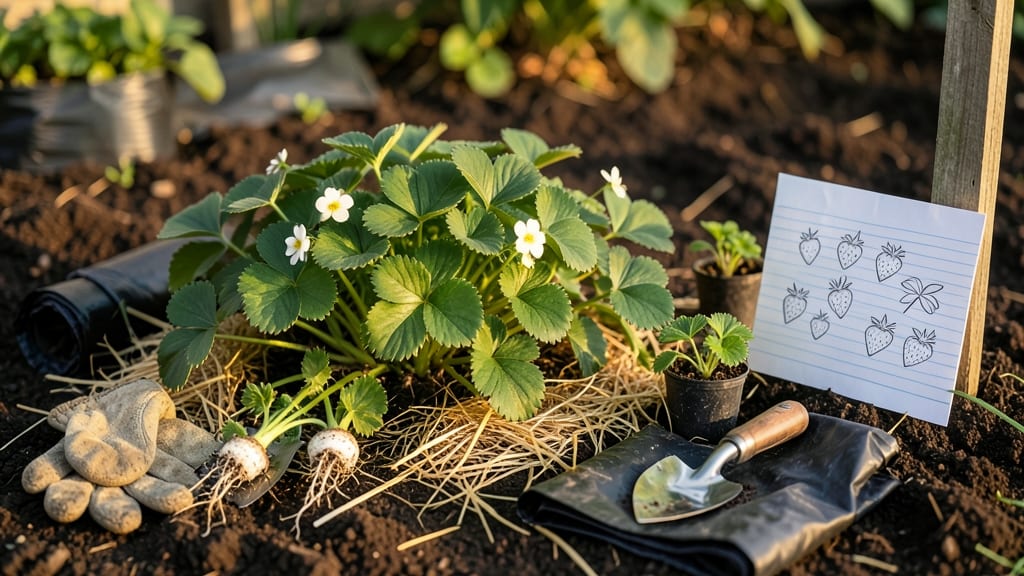
Cultivating strawberry plants means sweet, juicy harvests with less work than you’d expect. 🌱 I’ve grown them for years, and the secret isn’t fancy tools—it’s smart spacing, the right soil, and a little patience.
Most beginners overcomplicate it, but strawberries thrive when treated simply, like perennials that reward consistency over perfection.
The real game-changer is preparing the soil—strawberries hate soggy roots but need steady moisture. Mix in compost before planting, and space them 12-18 inches apart in rows 3 feet apart for airflow.
They’ll spread over time, so give them room to multiply. Transplants (not seeds) are your best bet for faster results, and June-bearing varieties give the biggest harvests with minimal fuss.
By summer’s end, you’ll be picking bright red berries that taste better than store-bought. The key is watering deeply once a week (not daily) and pruning old leaves in late fall to keep energy focused on next year’s fruit.
Even in small spaces, strawberries deliver high yields with almost no effort after the initial setup.
Works for containers, raised beds, or in-ground plots—just avoid heavy clay soil. Here’s how to keep them producing for years without the common pitfalls. Let’s get those plants planted!
📚 In This Guide
- What you need
- Instructions
- Tips and common mistakes
- Wrapping up and next steps
What you need
- ● Strawberry plants: Choose between June-bearing, everbearing, or day-neutral varieties (6–12 plants, depending on space). Opt for organic, disease-resistant varieties like 'Chandler,' 'Albion,' or 'Seascape.'
- ● Growing containers or raised beds: If planting in pots, use 5–7 gallon containers with drainage holes (1 plant per container). For in-ground beds, prepare 4x8 ft plots with 12–18 inches of soil depth.
- ● High-quality potting mix or garden soil: Use a well-draining, slightly acidic mix (pH 5.5–6.8). For containers, blend 50% potting soil + 50% compost.
- ● Organic fertilizer: A balanced, slow-release fertilizer (10-10-10 or 5-5-5) or composted manure (apply at planting and mid-season).
- ● Mulch: Straw or pine needles (2–3 inches thick) to retain moisture and suppress weeds.
- ● Watering can or drip irrigation system: Strawberries need 1–1.5 inches of water per week (more in containers).
- ● Pruning shears: Sharp, sterilized shears for trimming runners and dead leaves.
- ● Companion plants: Plant basil, thyme, or lettuce nearby to deter pests and improve flavor.
- ● Shade cloth (30–50%): For hot climates, use during peak summer to prevent sunburn.
- ● Plant labels: Mark varieties to track growth and harvest times.
- ● Epsom salt: A tablespoon per plant every 4–6 weeks boosts magnesium for sweeter fruit.
- ● Row covers: Lightweight fabric to protect from birds and frost in early spring.
Tips & tricks for perfect strawberry cultivation
These game-changing insights will help you avoid common pitfalls and maximize your strawberry harvest with minimal effort.
Soil Preparation Secret: Before amending your soil, test its pH using a simple home kit. Strawberries thrive in the 5.5-6.8 range, and adjusting it can make all the difference. If your soil tests too acidic, work in lime (1-2 pounds per 100 square feet) in early fall. For alkaline soil, mix in sulfur or peat moss—both help lower pH naturally. I've seen plants struggle in soil outside this range, even with perfect watering.
Root Revival Technique: That 30-minute soak for bare-root plants isn't just about hydration—it's about waking up dormant roots. Use lukewarm water (not cold) to mimic spring conditions. Add a splash of seaweed extract (optional) to boost root growth hormones. This step makes the difference between plants that take root quickly and those that languish for weeks. I've planted hundreds and this simple addition cuts establishment time by nearly half.
Light Optimization Strategy: While strawberries need 6-10 hours of sun daily, quality matters more than quantity. Position plants where they get morning sun (which dries dew quickly) and afternoon shade in hot climates. If using grow lights, place them 6-12 inches above plants and run them for 12-14 hours daily during short winter days. I've noticed plants under grow lights produce berries 3-4 weeks earlier than those without supplemental light.
Pruning Precision: When trimming old leaves in Step 4, use clean, sharp pruners to avoid tearing tissue. Cut at a 45-degree angle just above a leaf node to encourage new growth. For June-bearing varieties, remove all old leaves after harvest—this redirects energy to next year's fruit. I've seen gardeners leave old leaves, only to get smaller, less flavorful berries the following season. The key is aggressive but careful pruning.
Pro Tips for Cultivate Strawberry Plants
- These game-changing insights will help you avoid common pitfalls and maximize your strawberry harvest with minimal effort.
- Soil Preparation Secret: Before amending your soil, test its pH using a simple home kit.
- Root Revival Technique: That 30-minute soak for bare-root plants isn't just about hydration—it's about waking up dormant roots.
Frequently asked questions
Got questions about growing strawberries? You’re not alone! Here are answers to the most common queries to help you cultivate luscious, productive plants with ease.
How long does it take for strawberry plants to bear fruit?
Most strawberry varieties produce fruit within 4–6 weeks after planting, provided they’re healthy and conditions are ideal. June-bearing types may take slightly longer (up to 3 months), while everbearing and day-neutral varieties often fruit sooner. Patience pays off—consistent care speeds up the process!
Can I grow strawberries in containers or just in the ground?
Strawberries thrive in containers—just use pots at least 6–12 inches deep with drainage holes. Ensure the container gets 6+ hours of sunlight daily and use well-draining soil. Dwarf or alpine varieties are perfect for small spaces. Pro tip: Add compost to boost nutrients!
Why are my strawberry leaves turning yellow?
Yellow leaves often signal overwatering, nutrient deficiency, or disease. Check soil moisture (it should be damp, not soggy) and ensure proper spacing for airflow. Test soil pH (ideal: 5.5–6.5) and fertilize with balanced organic matter. Fungal issues? Prune affected leaves and avoid overhead watering.
Do strawberries need full sun, or can they grow in partial shade?
Strawberries prefer full sun (6+ hours/day), but they can tolerate partial shade (4–6 hours), especially in hot climates. In shadier spots, expect smaller yields and fewer berries. If growing indoors or in low-light areas, supplement with grow lights for 12–14 hours daily.
What’s the best way to extend the strawberry harvest season?
Choose everbearing or day-neutral varieties for multiple harvests. Use mulch (straw or black plastic) to regulate soil temperature, and prune runners to focus energy on fruit production. In cold climates, grow strawberries in high tunnels or greenhouses for year-round yields.
Wrapping up and next steps
Cultivating strawberry plants is a rewarding journey that brings sweet, juicy rewards with just a little patience and care! 🌱 Whether you’re a beginner or a seasoned gardener, following these steps—from choosing the right variety to harvesting—ensures a thriving patch.
Remember, consistency is key: water wisely, protect from pests, and enjoy the process.
Ready to take the next step? Start small—plant a few runners or seedlings this weekend—and watch your garden transform into a berry paradise. Happy growing! 🍓✨