
Pruning
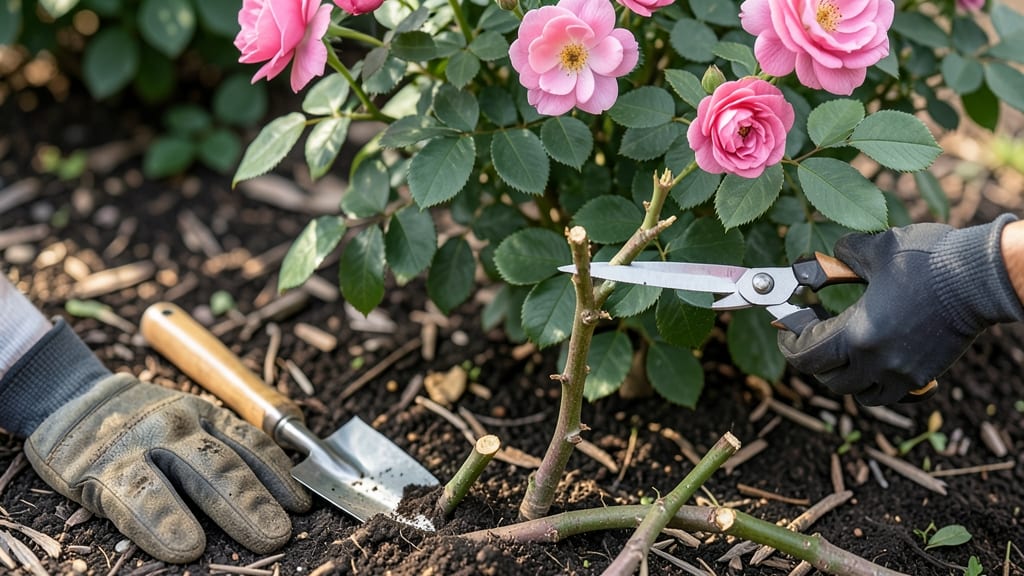
Your rose bush won’t just survive replanting—it’ll thrive. ✂️ The secret lies in precise cuts that encourage strong regrowth, not random hacking. I’ve learned the hard way that timing and technique make all the difference between a bush that bounces back and one that struggles for years.
You’ll need sharp pruners, rubbing alcohol for sterilizing, and a clear plan for where to cut—about 1/3 of the bush’s height from the ground, targeting outward-facing buds. Spring is ideal, but if you’re replanting in fall, do it 6-8 weeks before frost to give roots time to establish.
After replanting, water deeply and mulch to retain moisture while the roots adjust. Within 4-6 weeks, you’ll see fresh green shoots pushing through, proving the cuts were worth it. The key is patience—don’t rush the process, and avoid over-pruning. Common mistakes?
Cutting too close to buds or ignoring soil health. Focus on clean cuts and well-draining soil, and your rose will reward you with healthier blooms next season. Let’s get those shears ready!
📚 In This Guide
- What you need
- Instructions
- Tips and common mistakes
- Wrapping up and next steps
What you need
- ● Pruning shears or secateurs: Sharp, bypass-style shears (4-6" blade length) for clean cuts. Disinfect with rubbing alcohol before and after use to prevent disease spread.
- ● Loppers: For thicker stems (1-2" diameter), opt for long-handled bypass loppers with a 45-degree anvil blade (or bypass for precision).
- ● Hand pruners (felco or equivalent): Bypass-style for smaller branches (under ½"). Look for replaceable blades for longevity.
- ● Garden gloves: Heavy-duty, nitrile-coated gloves (size medium/large) to protect against thorns and bacteria.
- ● Shovel or spade: Round-point shovel (12-14" blade) for digging up roots. A transplant spade (with a forked end) is ideal for minimizing root damage.
- ● Garden twine or zip ties: 3-5mm wide twine or reusable zip ties to secure large branches during transport.
- ● 5-gallon bucket or wheelbarrow: For collecting cuttings or transporting the bush. Line with a plastic bag if moving cuttings.
- ○ Rooting hormone (optional but recommended): Powder or gel (e.g., Clonex or Dip ‘N Grow) to boost success for cuttings.
- ○ Pruning sealant (optional): Tree wound pruning paste (e.g., Tanglefoot Tree Seal) for large cuts to prevent disease.
- ● Choose the right time: Prune in early spring (before buds swell) or late fall (after first frost) for best regrowth.
- ● Weather check: Avoid pruning if rain is forecasted within 24 hours—wet conditions spread disease.
- ● New planting site ready: Dig the hole twice as wide as the root ball and amend soil with compost (50/50 mix).
- ● Water supply: Have a hose with a gentle spray nozzle or watering can for post-pruning hydration.
- ● Disinfectant spray: 10% bleach solution (1 part bleach to 9 parts water) to clean tools between cuts.
- ● Label tags: Waterproof plant markers to label varieties if replanting multiple bushes.
- ● Mulch: Shredded bark or straw (2-3" layer) to retain moisture after replanting.
- ● Knee pad or stool: For comfort during long pruning sessions.
Step-by-Step instructions for cutting and replanting a rose bush
Here's how I transform overgrown roses into vigorous, healthy plants ready for their new home.
✂️ Step 1: Assess and Prepare for the Cut
Start by examining your rose bush for signs of disease or dead wood—anything brown, mushy, or hollowed out needs removal. I always use sterilized pruning shears (cleaned with rubbing alcohol) to prevent spreading pathogens. Look for bud eyes—those little bumps where new growth emerges—and plan your cuts just above them at a 45-degree angle. This ensures water runs off the cut instead of pooling.
Gather your tools: sharp bypass pruners, loppers for thicker stems, and gloves—roses have thorns that pack a punch. I like to work on a dry day when the plant isn’t stressed by recent rain or extreme heat. If the bush is large, sketch a rough outline of where you’ll make cuts to visualize the new shape. This step prevents over-pruning and keeps the plant balanced.
🌿 Step 2: Prune for Structure and Health
Begin by removing dead, diseased, or crossing branches—these compete for nutrients and invite pests. Cut back to a healthy bud eye or the main stem, always angling downward. For thick stems, use loppers and make the cut just outside the bud, leaving a small collar of wood. Avoid leaving stubs; these rot and weaken the plant.
Next, thin out crowded canes to improve airflow. Aim for 5-7 strong, outward-facing stems per bush—this encourages bushier growth. If you’re replanting, reduce the bush by one-third to one-half to minimize transplant shock. Watch for suckers (shoots growing from the base)—remove these unless you want a new plant, as they drain energy from the main bush.
🪴 Step 3: Dig and Prepare for Replanting
Mark the new planting spot with stakes to ensure it gets full sun (6+ hours daily) and has well-draining soil. Dig a hole twice as wide as the root ball but no deeper—roses hate soggy roots. Amend the soil with compost or aged manure mixed into the native soil to boost nutrients. If your soil is heavy clay, add sand or perlite to improve drainage.
Gently dig around the base of the rose bush, working the shovel 6-8 inches away from the stem to avoid cutting roots. Lift the bush carefully, shaking off excess soil to inspect the roots. Trim any circled or mushy roots with sterilized shears—healthy roots are firm and white. Soak the root ball in a bucket of water for 20-30 minutes before replanting to rehydrate the roots.
☀️ Step 4: Replant and Revitalize
Place the rose bush in the hole, ensuring the graft union (the swollen bump near the base) sits 2-3 inches above soil level. This prevents the plant from sending up wild suckers. Backfill with the amended soil, tamping lightly to remove air pockets. Water deeply to settle the soil and encourage root contact. Add a 2-inch layer of mulch around the base, keeping it away from the stem to avoid rot.
Stake the bush if needed, tying the main stems loosely to support new growth. Avoid over-tightening—roots need room to expand. In the first 2-3 weeks, water every 2-3 days to keep the soil evenly moist but not soggy. Watch for new leaves emerging from the bud eyes—this signals the plant is recovering. If you see yellowing leaves, it’s often a sign of overwatering or poor drainage.
⏰ Step 5: Post-Replant Care for Regrowth
Fertilize lightly 4-6 weeks after replanting with a balanced rose fertilizer (10-10-10 or similar). I avoid heavy feeding immediately, as new roots are still establishing. Prune again in early spring to shape the bush and encourage blooms. Monitor for pests like aphids or sawflies—spray with neem oil at the first sign of trouble.
Here’s the thing—roses are resilient, but they reward precision. If you’ve followed these steps, you’ll see strong new canes by late spring and healthier blooms by summer. The key is patience: replanted roses often take 2-3 seasons to fully recover, but the payoff is worth it. Keep an eye out for new shoots at the base—these are your future blooms!
Tips & tricks for precision rose bush trimming
These essential techniques will help you avoid common pitfalls and ensure your rose bush thrives after replanting.
Tool Selection: Invest in a pair of bypass pruners for clean cuts—avoid anvil pruners, which crush stems and damage plant tissue. I also keep a small pair of concave pruners for thicker canes, as they create smoother cuts that heal faster. Always sterilize your tools with rubbing alcohol between cuts to prevent spreading disease.
Bud Identification: In Step 1, when you're marking branches to remove, look for buds that are facing outward—they should resemble a small bump with a tiny leaf or stem emerging. These outward-facing buds are crucial because they direct new growth away from the center, creating an open, airy structure that prevents fungal issues. If you're unsure, use a magnifying glass to inspect the bud orientation closely.
Root Handling: During Step 3, when loosening roots, avoid tearing them—gently work your fingers between the root ball and surrounding soil. If you encounter tightly bound roots, use a root knife to carefully separate them without damaging the main root structure. This step is critical for encouraging new root growth after replanting, as it prevents root shock from being too tightly bound.
Post-Transplant Care: After replanting, the first 2-3 weeks are critical for recovery. I recommend setting up a drip irrigation system on a timer to deliver consistent moisture without disturbing the soil. This mimics natural rainfall and prevents the stress of manual watering. Also, avoid fertilizing until you see new buds forming—usually within 4-6 weeks—as fertilizers can stress a plant still establishing new roots.
Pro Tips for Cut A Rose Bush To Replant
- These essential techniques will help you avoid common pitfalls and ensure your rose bush thrives after replanting.
- Tool Selection: Invest in a pair of bypass pruners for clean cuts—avoid anvil pruners, which crush stems and damage plant tissue.
- Bud Identification: In Step 1, when you're marking branches to remove, look for buds that are facing outward—they should resemble a small bump with a tiny leaf or stem emerging.
Frequently asked questions
Got questions about cutting and replanting your rose bush? You’re not alone!
Here are answers to the most common concerns—so you can prune with confidence and watch your roses thrive.
When is the best time to cut a rose bush for replanting?
The ideal window is late winter or early spring, just before new growth begins (typically February–March in most climates). This timing minimizes stress on the plant and encourages vigorous regrowth. Avoid pruning in fall—it can leave roses vulnerable to frost damage.
How do I know which branches to cut when replanting?
Focus on dead, diseased, or crossing branches first. Then, cut back one-third of the oldest canes to the ground and shape the bush by trimming remaining stems to an outward-facing bud. Always cut at a 45-degree angle just above a bud or node for best results.
Can I replant a rose bush in the same spot after cutting it?
While possible, it’s often better to relocate if the soil is depleted or drainage is poor. If staying put, amend the soil with compost and ensure full sun (6+ hours/day). Roses thrive in well-draining soil—so test pH (ideal: 6.0–6.5) and adjust if needed before replanting.
What if my rose bush doesn’t regrow after pruning?
Don’t panic! Check for root health—gently dig around the base to see if roots are firm and white. If the plant is dormant, wait until spring. If no regrowth appears by late spring, the bush may be too far gone—consider starting fresh with a cutting or new plant.
Do I need to fertilize right after replanting?
Hold off on heavy fertilizing for 4–6 weeks post-pruning to avoid shocking the plant. Instead, water deeply (1–2 inches per week) and apply a balanced, slow-release rose fertilizer in early spring. Over-fertilizing can burn roots—so start light!
Wrapping up and next steps
You’ve got everything you need to revitalize your rose bush with confidence! Remember, the key is patience and precision—cutting at the right angle, removing dead wood, and giving your plant room to breathe will set it up for stunning blooms.
Now that your rose bush is prepped, it’s time to replant with care and watch it thrive.
Ready to see those buds bloom? Next up: water deeply, mulch well, and keep an eye on new growth. Your garden will thank you! 🌸