
Container Gardens
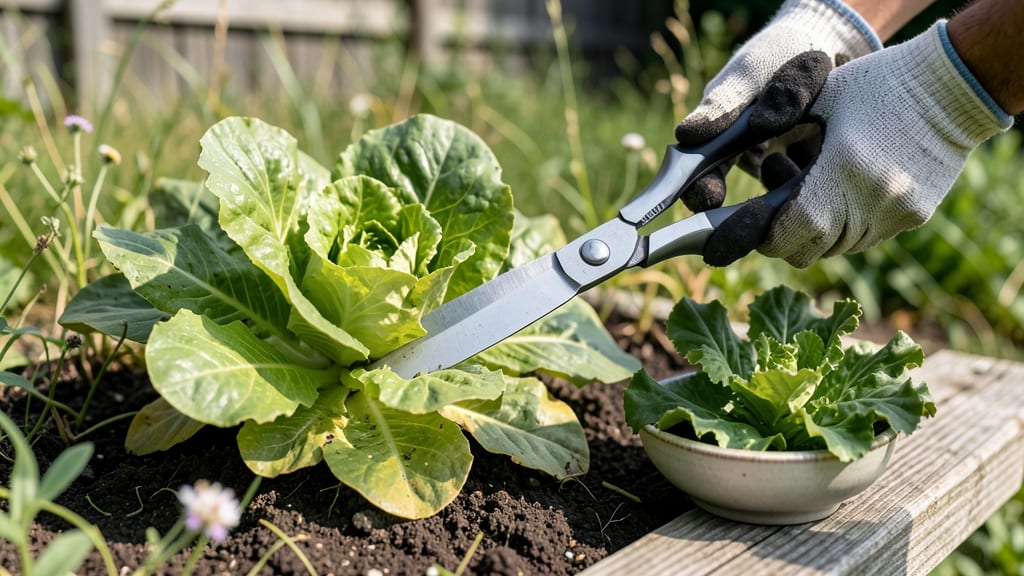
How to cut lettuce so it keeps growing is the little-known trick that turns a single harvest into a month-long feast of crisp, homegrown 🥬. Most gardeners make the same mistake: yanking the whole head or snipping too close to the center, which shocks the plant and sends it bolting faster than you can say "bitter greens."
Here's the game-changer: you only need to trim the outer leaves—never more than a third at a time—and always leave the inner growth intact. This simple technique keeps your lettuce producing fresh leaves for weeks, not just days.
I'll show you exactly where to cut, what tools to use, and how to spot when you've gone too far.
Whether you're growing butterhead, romaine, or loose-leaf varieties in USDA Zone 6a, these methods work year after year. We'll also cover the best times to harvest, how to revive a struggling plant, and why some gardeners accidentally turn their lettuce into sad, wilted relics.
Ready to master the art of endless harvests?
The secret isn't complicated—it's about working with your lettuce's natural growth patterns, not against them. Let's get those outer leaves trimmed the right way so you can enjoy fresh salads straight from your garden all season long.
The correct way to cut lettuce for regrowth without damaging the plant
Lettuce thrives when you follow the right cutting technique—never yanking whole leaves or chopping the center. The key is to trim outer leaves while leaving the inner growth point intact. This method lets your plant redirect energy to new leaves instead of shutting down.
Think of it like giving your lettuce a haircut: you only snip the ends, not the whole head!
Start by identifying the mature outer leaves, which are usually 4–6 inches long and fully unfurled. These are ready for harvest, while the tender inner leaves stay protected to keep growing.
Use a sharp pair of scissors or pruners to avoid crushing stems, which can introduce disease. A clean cut also prevents jagged edges that attract pests.
Here’s the science behind it: When you remove outer leaves, the plant’s growth hormones shift focus to the leaf axils (the points where leaves meet the stem). This triggers new leaves to sprout from the center, creating a continuous harvest cycle.
For loose-leaf varieties like Black Seeded Simpson, you can pluck entire leaves as they mature. For head lettuce like Romaine, trim just the outer leaves to maintain the head shape.
Timing matters too. Harvest in the morning after dew dries but before the midday heat to ensure crispness. Avoid cutting during hot afternoons or after rain, as wet leaves are more prone to rot.
If your lettuce is bolting (sending up a flower stalk), it’s past its prime for regrowth—save those seeds for next season!
Now, let’s break this down into clear steps so you can confidently trim your lettuce like a pro.
Step-by-Step Guide to Cutting Lettuce for Regrowth
Pro tip: If your lettuce starts to bolt (shoot up a flower stalk), it’s signaling stress—usually from heat or drought. To delay bolting, provide shade cloth during hot afternoons and keep soil consistently moist.
For varieties like Buttercrunch, which bolt quickly, focus on early harvesting of outer leaves to extend the harvest window.
For container-grown lettuce, the same rules apply, but monitor soil moisture more closely since pots dry out faster. If your lettuce grows too tall or leggy, it’s a sign of low light.
Move it to a sunnier spot (but avoid direct midday sun in hot climates) and trim the longest stems to encourage bushier growth.
Remember, the goal is to balance harvest and regrowth. If you remove too many leaves at once, your plant may struggle to recover. Aim to leave at least half the foliage intact after each trim.
With this method, you’ll enjoy fresh lettuce for weeks—not just a single harvest!
🥬
The correct way to cut lettuce for regrowth without damaging the plant
Lettuce thrives when you harvest it the right way. The key is to always trim outer leaves first, leaving the inner growth point intact. This method ensures your plant continues producing fresh leaves while avoiding the shock that comes from cutting too aggressively.
I’ve found that romaine and loose-leaf varieties respond best to this technique, as they regrow more vigorously than head lettuce.
Start harvesting when your outer leaves reach 4–6 inches. These leaves are fully mature and ready for picking, while the inner leaves remain tender and protected. Using a sharp pair of scissors or clean pruning shears, cut just above a leaf node—this is where new growth emerges.
Avoid tearing leaves, as this can damage the plant and invite pests.
Here’s how I do it step-by-step to maximize regrowth:
Select outer leaves that are fully grown and crisp. These are the ones ready for harvest.
Dull scissors crush stems, causing stress. A sharp knife or pruners make clean cuts.
Slice just above a leaf node (the bump where new leaves form). This encourages faster regrowth.
Never cut into the center rosette. This is the plant’s growth engine—damaging it stops future harvests.
Leaves are crispest and most hydrated after a night’s rest. This also reduces stress on the plant.
Give your lettuce a light watering and a nitrogen-rich fertilizer (like 5-10-5) to support regrowth.
After trimming, I always monitor my lettuce for signs of stress, like yellowing leaves or wilting. If this happens, it’s usually a sign of over-harvesting or underwatering. Adjust your approach—cut fewer leaves next time or water more deeply.
With this method, I’ve had loose-leaf varieties produce for 6–8 weeks without bolting, while romaine can yield for 4–6 weeks.
Pro tip: If your lettuce starts to bolt (sending up a tall flower stalk), it’s past its prime for leaf production. This happens when days get longer or the plant feels stressed.
To delay bolting, provide partial shade during hot afternoons and keep the soil consistently moist. With the right care, you’ll enjoy a steady supply of homegrown greens all season long. 🥬