
Container Gardens
Struggling to keep your thyme plants thriving year-round? Proper pruning is the secret to maintaining lush, evergreen foliage while encouraging healthy growth. These 10 expert-approved techniques will transform your container plants into dense, vibrant bushes.
Topping Thyme Plants for Bushier Growth
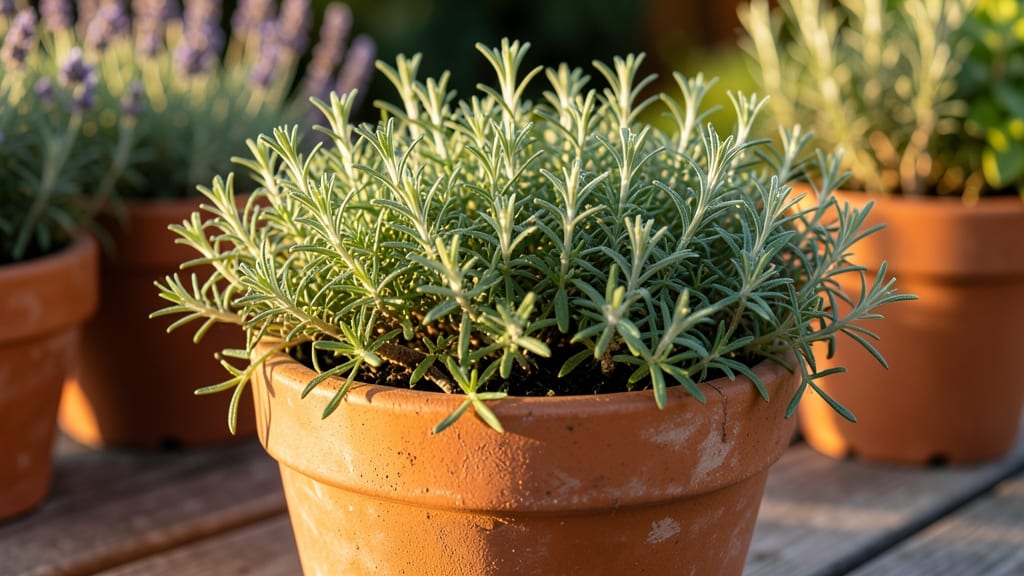
Tired of your culinary thyme stretching tall and sparse in its container? The solution is simpler than you think: topping. This bold pruning technique involves cutting stems back to just 2-3 inches above the base, triggering a burst of dense, bushy new growth—perfect for container gardens where space is limited.
Use clean, sharp pruners to snip stems right above a leaf node (where leaves meet the stem). This encourages the plant to branch out from multiple points rather than growing upward. For best results, do this in early spring or after flowering, when the plant has energy to regrow. Avoid cutting into woody stems, as thyme struggles to regenerate from them.
Container gardeners will love this method because it keeps thyme compact and productive year-round. Plus, those fresh new shoots mean more leaves for cooking—no leggy stems in sight! 🌱
Deadheading Spent Flowers for Continuous Growth
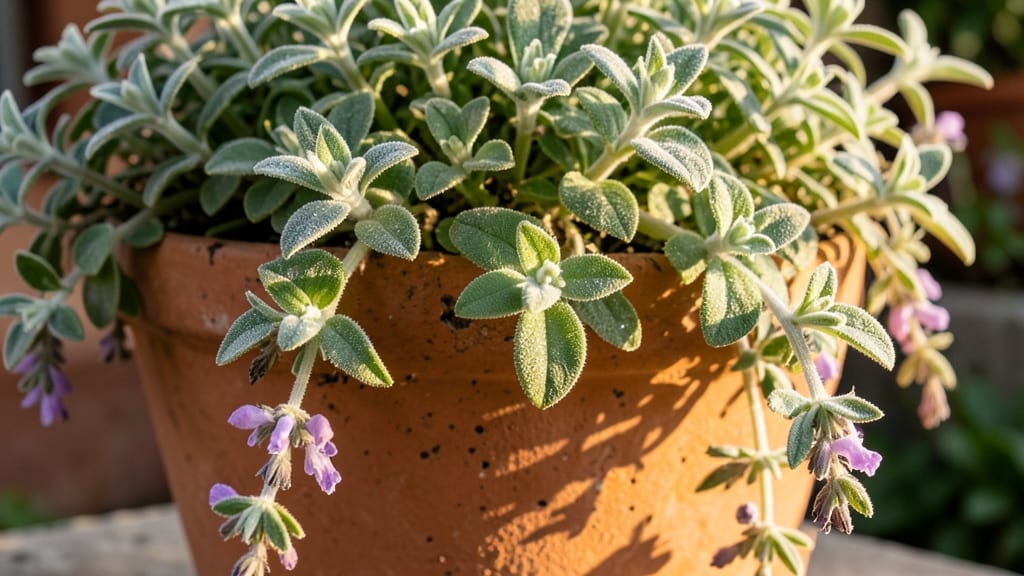
Variegated thyme isn't just about pretty flowers—it's about the year-round foliage that makes it a container garden star. While other thyme varieties might slow down after blooming, variegated types like 'Silver Queen' or 'Aromatic Issues' keep producing lush leaves when you use this simple trick.
Deadheading—removing spent flowers—redirects the plant's energy from seed production back to leaf growth. Use your fingers or clean pruners to pinch off flower stems just above a leaf node, being careful not to disturb the foliage below. Do this every 2-3 weeks during the growing season, and you'll enjoy dense, aromatic leaves well past the initial bloom period.
This method is especially valuable for gardeners growing thyme for its ornamental foliage or culinary leaves. With consistent deadheading, your variegated thyme will stay productive and vibrant for months, making it a low-maintenance container superstar. 🌿
Shearing Thyme for Formal Container Edging
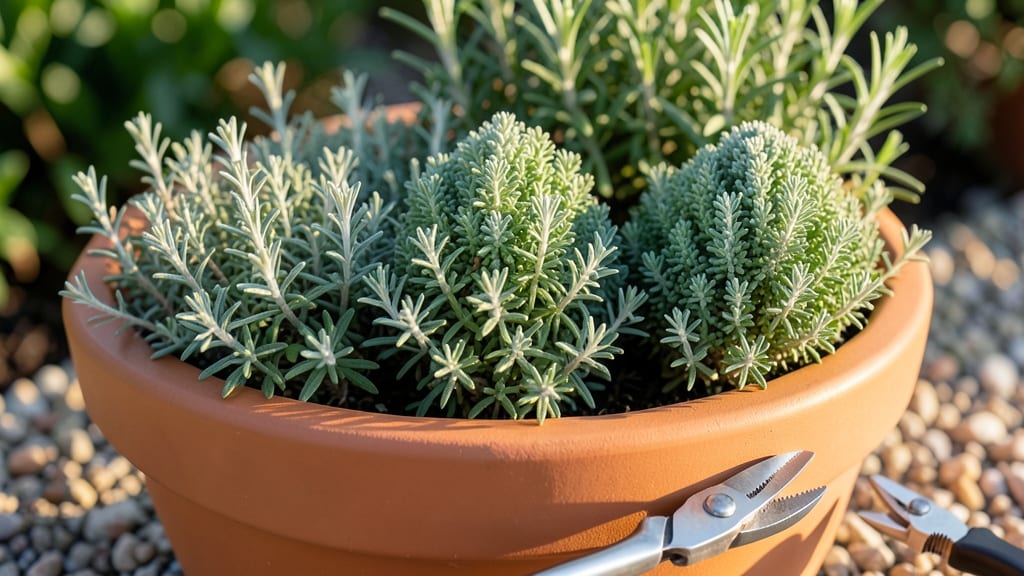
Transform your container garden into a polished, structured display with ornamental thyme varieties—shearing creates crisp, formal edges that elevate any arrangement while keeping plants lush and full.
Use sharp pruning shears or hedge clippers to trim the top growth down to 1-2 inches in early spring or after flowering. This technique works best with varieties like silver thyme or creeping thyme, which naturally grow in dense mats. Shearing stimulates new shoots at the base, resulting in a uniform, hedge-like appearance perfect for container borders or garden edging.
This method is ideal for urban gardeners or those with limited space—it maximizes visual impact while keeping maintenance simple. Just avoid cutting into woody stems to preserve the plant's health. ✨
Selective Stem Pruning for Harvesting Leaves
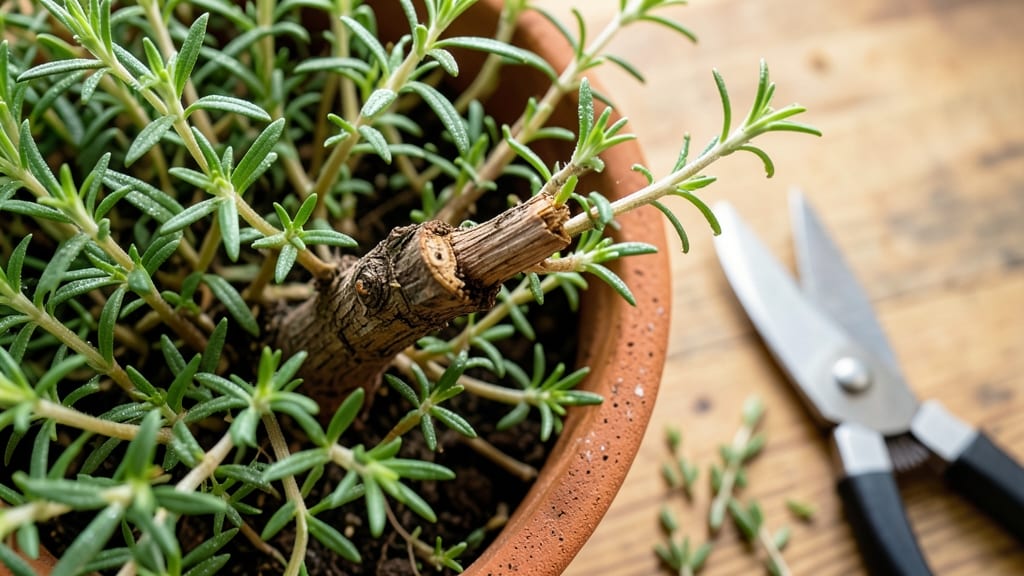
If you love fresh thyme for cooking but dread sacrificing your plant’s health, selective stem pruning is your solution. This method lets you harvest leaves year-round without stunting growth—by focusing only on older stems while leaving younger ones intact.
Start by identifying stems that have woody bases or are over a year old. Using clean pruners, cut these stems just above a leaf node (where new shoots emerge). This encourages the plant to redirect energy to fresh growth while preserving its structure. For culinary thyme, aim to remove no more than one-third of the plant’s stems at a time to avoid stress.
This technique works best for home cooks and container gardeners who want a steady supply of leaves without the risk of over-pruning. Perfect for those who love fresh herbs but hate the guesswork! 🌿
Rejuvenating Overgrown Thyme Through Renewal Pruning
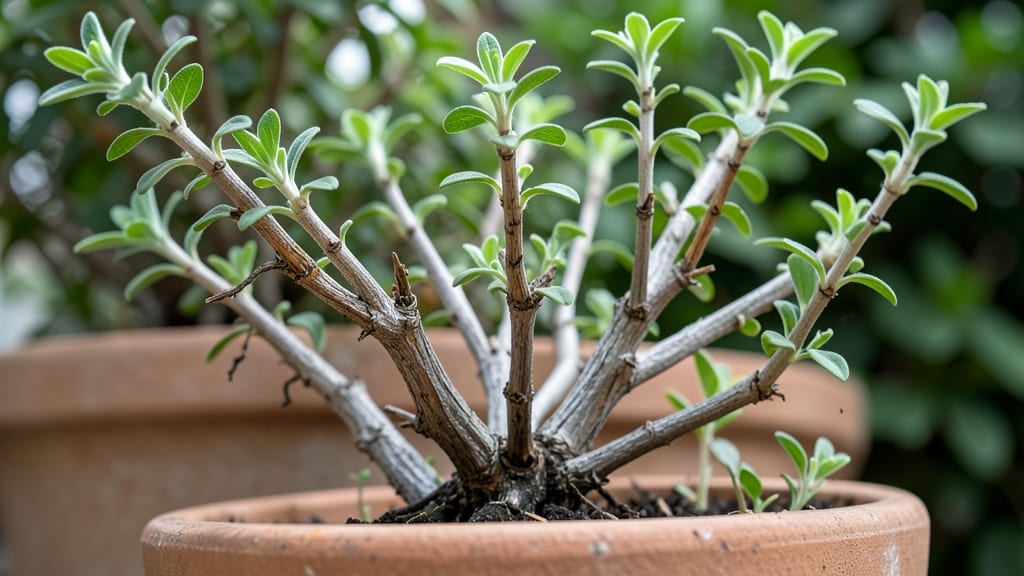
When your thyme looks more like a woody skeleton than a lush herb, it's time for renewal pruning—the ultimate comeback technique. This isn’t your usual trim; it’s a bold cutback that forces the plant to reboot, producing fresh, vibrant growth from the base.
Start by cutting back all the stems to about 2-3 inches above the soil line, even if it looks drastic. This aggressive approach removes old, woody growth and redirects energy to new shoots. For winter recovery, do this in early spring before new growth begins. Use clean, sharp shears to avoid damaging the stems, and don’t worry—thyme is resilient and will bounce back stronger than ever.
This method is a game-changer for gardeners with neglected thyme, urban container growers, or anyone dealing with leggy, overgrown plants. Within weeks, you’ll see fresh green shoots emerging, proving that even the most neglected thyme can thrive again. ✨
Layering Thyme for Propagation While Pruning
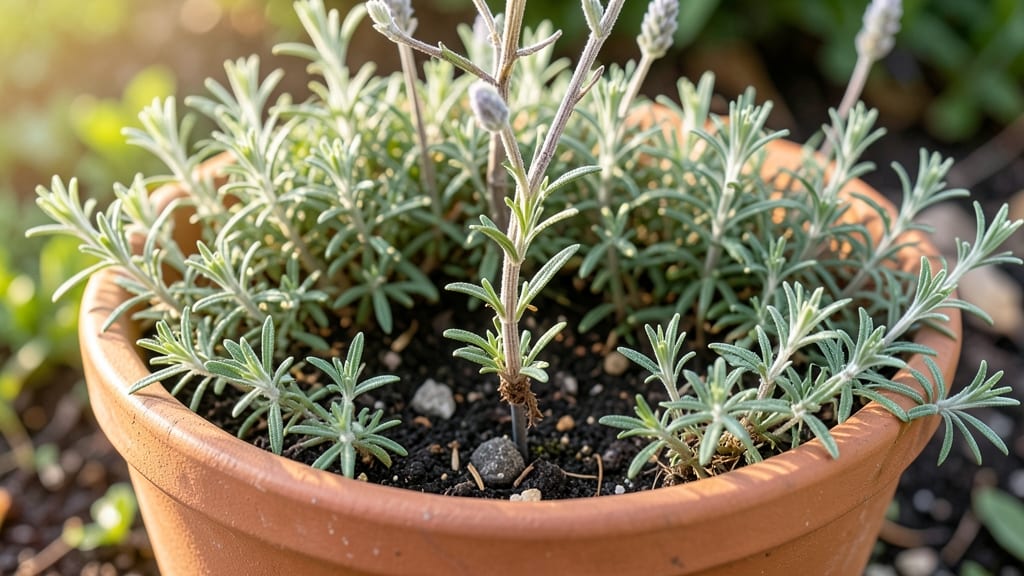
Why settle for one thyme plant when you can grow a whole collection? Layering thyme lets you create new plants while keeping your mother plant healthy—no extra effort required beyond regular pruning!
Choose a healthy, non-flowering stem and bend it downward until it touches the soil. Secure it with a U-shaped wire or rock, then cover the middle section with soil, leaving the tip exposed. Roots will form in 4-6 weeks, and you can snip the new plant free once established. This method works best with soft-stemmed varieties like French or lemon thyme.
The beauty of layering is that it turns a routine pruning session into a propagation opportunity, giving you free plants while your original bush stays lush. Perfect for gardeners who love expanding their herb collection without breaking the bank! 🌿
Pruning for Air Circulation in Dense Thyme
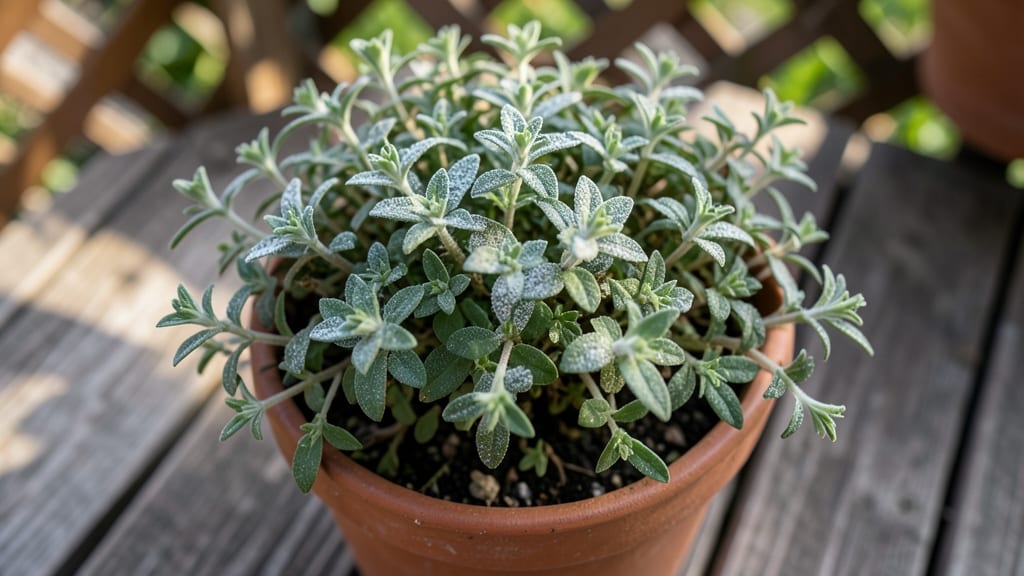
If your container-grown thyme looks thick but unhealthy, the problem might be poor airflow—not too much water. Dense foliage traps moisture, creating the perfect conditions for fungal diseases like powdery mildew, especially in humid climates. This targeted pruning technique focuses on opening up the plant's interior to let light and air circulate freely.
Start by identifying the inner stems that are shaded by outer growth. Use clean, sharp pruners to trim these stems back to where they meet the main structure, removing about one-third of the inner foliage. Avoid cutting into woody stems, as thyme struggles to regrow from them. For container plants, this method also prevents the center from becoming a breeding ground for pests. Repeat every 4-6 weeks during the growing season to maintain airflow.
This approach is a game-changer for urban gardeners and those in damp climates, as it keeps thyme disease-free and vibrant without sacrificing density. Your plants will reward you with lush, healthy growth all season long. 🌿
Seasonal Pruning Schedule for Year-Round Growth
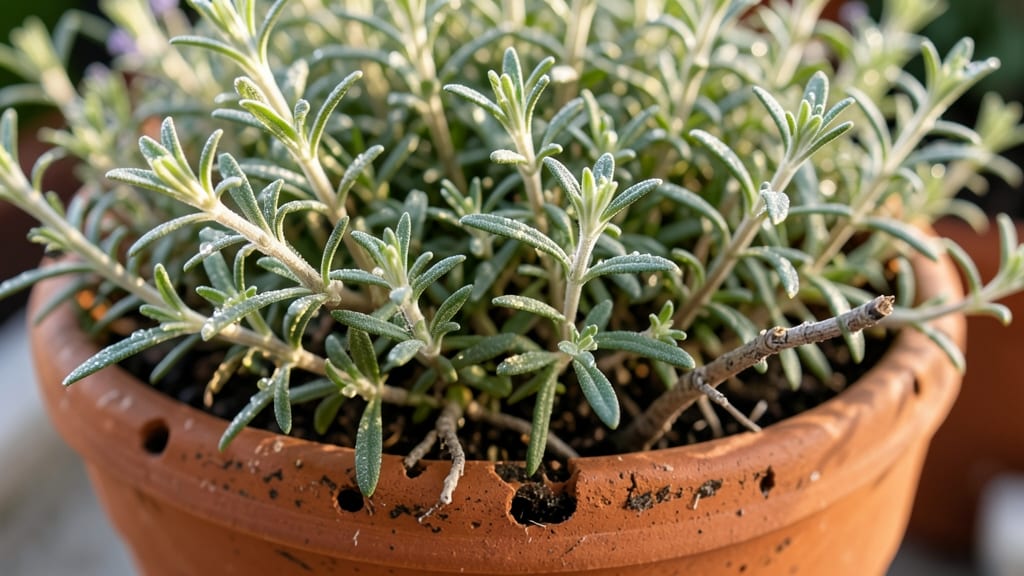
Container thyme thrives on a seasonal pruning rhythm that aligns with its natural growth cycles—because timing is everything for these compact perennials. Unlike larger garden beds, container plants have limited root space, so strategic cuts in each season maximize regrowth without stressing the plant.
Start in early spring by trimming back any winter-damaged stems to just above a leaf node, encouraging fresh foliage. During late spring to early summer, focus on light shaping to maintain form while removing any leggy growth. After flowering (typically mid-summer), give thyme a harder cut to promote bushiness before fall. In autumn, reduce pruning to just tidying up, allowing the plant to harden off for winter.
This schedule works especially well for urban gardeners with limited space—keeping thyme compact and productive year after year. Just remember: less is more in winter to prevent overstressing roots. 🌱
Pruning Thyme for Winter Survival in Containers
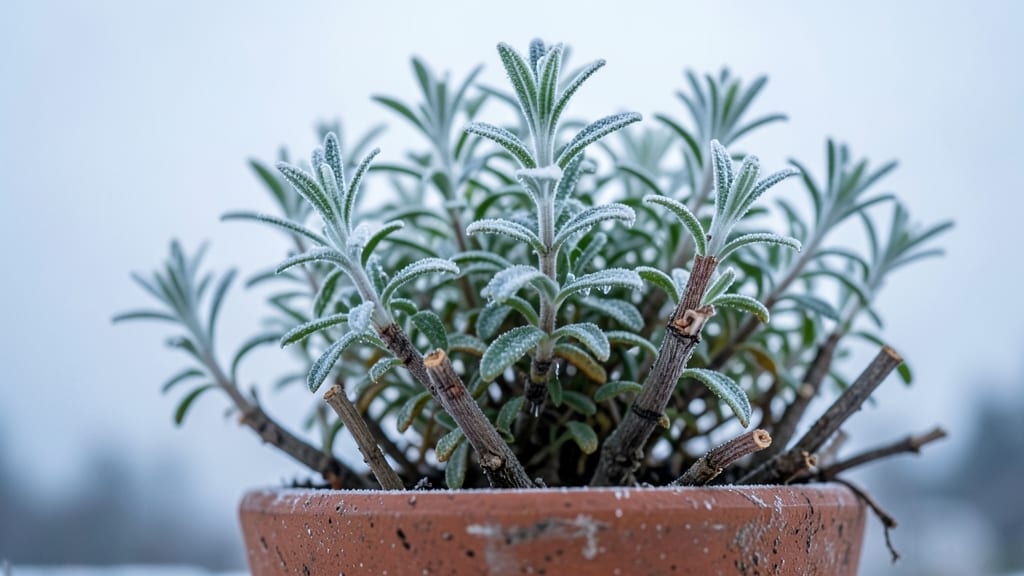
Cold snaps can turn your container-grown thyme into a frosty mess—but strategic pruning keeps it thriving through winter. Unlike spring cuts, winter pruning focuses on removing woody, damaged stems while preserving the plant’s core structure, which helps it bounce back faster when temperatures rise.
Start by trimming back any stems that show signs of frost damage (brown or brittle tips) to just above a leaf node. Avoid heavy shearing—aim to remove only 20-30% of the plant’s growth to prevent stress. For extra protection, wrap containers in burlap or use insulating blankets during extreme cold snaps. This method works best for hardy varieties like common thyme or lemon thyme, which can survive light frosts.
This approach is ideal for gardeners in USDA zones 5-7 or anyone with container thyme facing unpredictable winters. A little winter prep means lush, aromatic thyme ready to harvest as soon as spring arrives. ✨
Using Pruned Thyme Stems for Culinary Uses

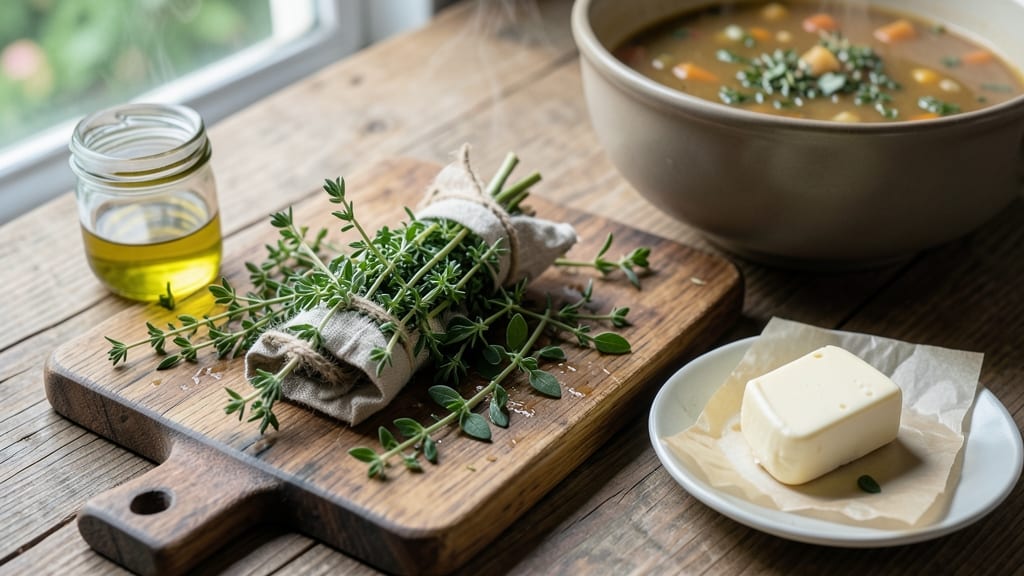
Why let pruned thyme stems go to waste when they’re packed with flavor? After trimming your culinary thyme for bushier growth, those small stems and leaves are perfect for infusing oils, making herb butters, or adding to soups and stews—no need to toss them!
Simply rinse the stems and bundle them with a rubber band before submerging in hot olive oil for 10 minutes (strain before use). For a quick fix, toss whole sprigs into simmering broths or marinades—they’ll release their aromatic oils without overpowering dishes. This zero-waste trick works especially well with lemon thyme or French thyme, whose citrusy or piney notes elevate savory dishes.
Culinary gardeners will love this dual-purpose approach: you’re both maintaining plant health and stocking your kitchen with fresh, homegrown flavor. 💚