
Pruning
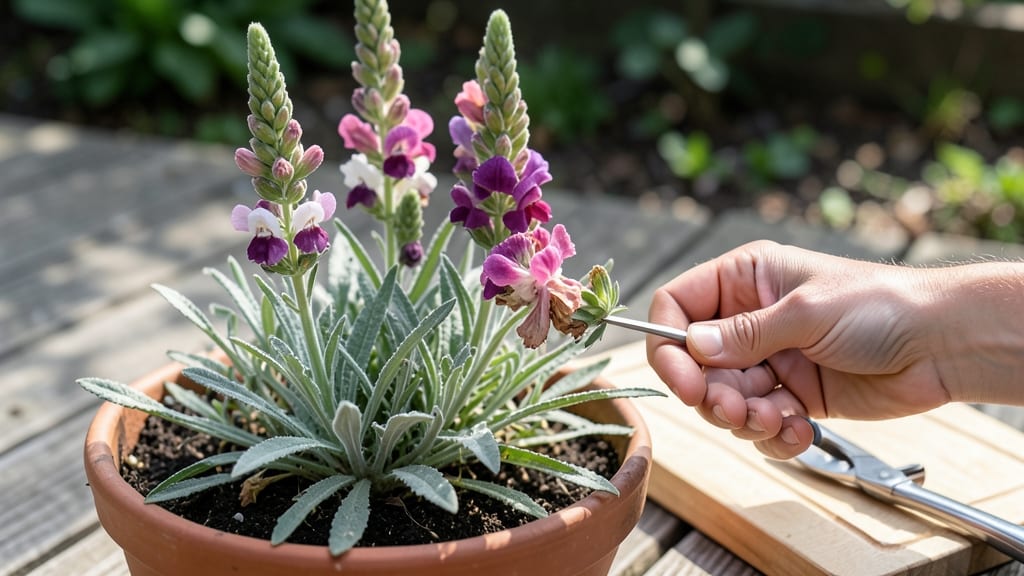
Snapdragons in pots demand a little extra TLC—but deadheading them transforms those tired stems into a second wave of blooms you won’t believe. 🌸 I’ve spent years growing these vertical beauties, and the secret to their longevity isn’t fancy tools or complicated techniques—it’s knowing exactly where (and when) to snip.
The key in containers is working with limited space: you’ll need clean pruners, a small bucket of water nearby, and a sharp eye for spent blooms. Most people over-prune or under-prune—both mistakes starve the plant of energy.
The goal is to remove just the faded flowers while leaving the sturdy stems intact, encouraging the plant to redirect its focus to new growth instead of seed production.
What you’ll end up with is snapdragons that keep flowering for weeks longer than their neighbors, with stems packed tighter and blooms brighter. The plants stay bushier, too, filling those pots with color instead of leggy stems.
Plus, you’ll avoid the sad, seed-filled pods that turn your pretty flowers into messy seed heads.
This method works for all snapdragon varieties—whether you’re growing dwarf types in 6-inch pots or tall varieties in 12-inch containers. The only real difference is how often you’ll need to repeat the process: once a week for aggressive bloomers, every 10 days for slower growers.
Grab those pruners—your snapdragons are about to put on a show.
📚 In This Guide
- What you need
- Instructions
- Tips and common mistakes
- Wrapping up and next steps
What you need
- ● Clean, sharp pruning shears or scissors – Opt for bypass-style shears (1 pair) to avoid crushing stems.
- ○ Gloves (optional but recommended) – A pair of lightweight gardening gloves (size medium) to protect your hands from thorns or dirt.
- ● Small trash bag or bucket – For collecting spent blooms and debris (1–2 gallon size).
- ○ Water spray bottle (optional) – A 16–32 oz bottle to mist foliage post-deadheading for hydration.
- ○ Hand lens or magnifying glass (optional) – Helps spot hidden buds or pests in tight spaces.
- ● A sunny day – Deadhead in the morning to allow plants to recover before evening heat.
- ● Dry weather – Avoid deadheading if rain is forecasted within 24 hours (prevents fungal issues).
- ● Freshly watered plants – Ensure pots are moist (not soggy) 1–2 days before pruning.
Step-by-Step instructions for deadheading snapdragons in pots
Here's how to keep your potted snapdragons blooming like clockwork—no pruning skills required.
✂️ Step 1: Wait Until Blooms Are Fully Open
Deadhead snapdragons when the flower buds have fully opened and the petals have spread completely. You'll see the flower's distinctive "snapdragon face" fully revealed—this is your cue. Cutting too early removes buds that could have bloomed, while waiting too long lets seeds form, which weakens the plant.
Use clean, sharp pruners or your fingers to pinch off the spent bloom. Hold the stem just above the next set of leaves or buds, where the stem meets the foliage. This encourages new growth from that node. If you're using your fingers, give the stem a firm twist to avoid tearing the plant tissue.
🌿 Step 2: Remove Only the Spent Bloom, Not the Stem
Snapdragons grow in vertical spikes, so focus on removing just the faded flower head at the top of the stem. Leave the entire stem intact—this preserves the plant's energy and allows it to produce more blooms along the same stalk. Cutting the stem short forces the plant to grow new foliage rather than new flowers.
If a stem has multiple blooms and the top one is spent, you can trim the entire stem back to just above the lowest open bloom. This keeps the plant compact and encourages a bushier shape. Avoid cutting into the green parts of the stem—stick to removing only the brown, dried flower heads.
💧 Step 3: Water and Fertilize After Deadheading
After deadheading, give your snapdragons a light watering to help them recover. The soil should feel moist but not soggy—stick your finger about 1 inch deep into the pot. If it feels dry, water until it's evenly damp. Overwatering can lead to root rot, especially in pots where drainage is limited.
Follow up with a balanced, water-soluble fertilizer diluted to half strength. Snapdragons are heavy feeders, so they'll appreciate the nutrients to support new growth. I like to fertilize every 2 weeks during the blooming season to keep the flowers coming. Avoid fertilizing right after transplanting or if the plant looks stressed.
☀️ Step 4: Monitor for New Blooms and Repeat
Within 7-10 days, you should see new flower buds forming at the top of the stem or along the sides. This is your signal that deadheading worked! Keep an eye out for leggy stems or crowded foliage—these are signs your snapdragons need more light or a trim to encourage bushier growth.
Repeat the deadheading process as soon as new blooms fade. Consistency is key—snapdragons can produce flowers for 6-8 weeks if you stay on top of deadheading. In cooler climates, they may bloom even longer. If you notice fewer blooms or the plant looks tired, it might be time to give it a light haircut by trimming back the entire stem by one-third to encourage fresh growth.
Tips & tricks for perfect snapdragon maintenance
Here's what nobody tells you about keeping your potted snapdragons thriving—these little tricks make all the difference.
Timing is Everything: I learned this the hard way after ruining three batches of blooms by cutting too early. Wait until the flower's petals are fully unfurled and the "snapdragon face" is completely visible—this means the bloom has finished its natural cycle. Cutting too soon removes potential blooms, while waiting too long lets the plant waste energy on seed production. Think of it like harvesting vegetables at peak ripeness.
Precision Cutting Technique: When you're ready to deadhead in Step 1, focus on making clean cuts just above the next set of leaves or buds. This is where new growth will emerge. I use my fingers for small pots and clean pruners for larger ones, always making a firm twist motion to avoid tearing the stem. The key is to leave the green parts intact—this preserves the plant's energy for producing more flowers rather than new foliage.
Post-Deadheading Care: After trimming, don't forget the two-week fertilization schedule mentioned in Step 3. Snapdragons are heavy feeders, so they'll reward consistent care with nonstop blooms. I keep a small bottle of diluted fertilizer handy and water lightly after each application. The soil should feel like a damp sponge—never soggy. This routine keeps your plants looking their best while preventing root rot in those confined pots.
Pro Tips for Deadhead Snapdragons In Pots
- Here's what nobody tells you about keeping your potted snapdragons thriving—these little tricks make all the difference.
- Timing is Everything: I learned this the hard way after ruining three batches of blooms by cutting too early.
- Precision Cutting Technique: When you're ready to deadhead in Step 1, focus on making clean cuts just above the next set of leaves or buds.
Frequently asked questions
Got questions about deadheading snapdragons? You’re not alone!
Here are answers to the most common concerns—so you can keep those blooms popping like confetti all season long.
When is the best time to deadhead snapdragons?
Deadhead snapdragons as soon as blooms fade—ideally in the morning when stems are firm. This prevents seed pods from forming, redirecting energy to new flowers. For pots, a weekly check keeps plants tidy and encourages continuous blooming. Pro tip: Wear gloves if your plants are thorny!
How often should I deadhead snapdragons in pots?
Check your pots every 3–5 days during peak bloom (spring/summer). Frequent deadheading (removing spent flowers) triggers more blooms, but don’t overdo it—prune no more than 1/3 of the plant at once to avoid stress. Bonus: Trim leggy stems to encourage bushier growth!
What if I skip deadheading? Will my snapdragons still bloom?
Yes, but expect fewer, shorter-lived blooms. Skipping deadheading lets plants focus on seed production, draining energy from new flowers. You’ll see smaller, sparser blooms and may even notice seed pods forming. For pots, consistency is key—5 minutes weekly keeps plants thriving!
Can I use scissors or just pinch off flowers by hand?
Both work! For precision, sharp scissors or pruners (sterilized with rubbing alcohol) are best for thick stems. Pinching by hand is great for small pots or delicate blooms—just grip just above a leaf node (where new growth emerges). Warning: Avoid tearing stems, which can invite pests!
Does deadheading work the same for snapdragons in pots vs. garden beds?
Almost! Pots dry out faster, so deadhead more frequently (every 2–3 days) to prevent wilting. In garden beds, soil retains moisture longer, so you can space out pruning. Key difference: Pots need better drainage—water after deadheading to reduce stress. Hot tip: Use a well-draining potting mix!
Why are my snapdragons dropping buds before they open?
Bud drop usually means stress—check for:
- Overcrowding: Thin out stems if pots are packed.
- Underwatering: Snapdragons wilt easily; keep soil evenly moist.
- Temperature swings: Protect pots from below 50°F or scorching sun.
- Nutrient deficiency: Feed with balanced fertilizer every 4–6 weeks.
Wrapping up and next steps
Deadheading snapdragons in pots is a simple yet powerful way to keep your garden vibrant and full of life! By removing spent blooms regularly, you encourage longer flowering seasons and healthier plants.
With just a few tools and a little patience, you’ll enjoy nonstop color all season long—so grab those pruners and get growing! 🌸
Ready to take it further? Try experimenting with different pot sizes or companion plants to enhance your snapdragon display. Happy gardening! 🌱