
How To
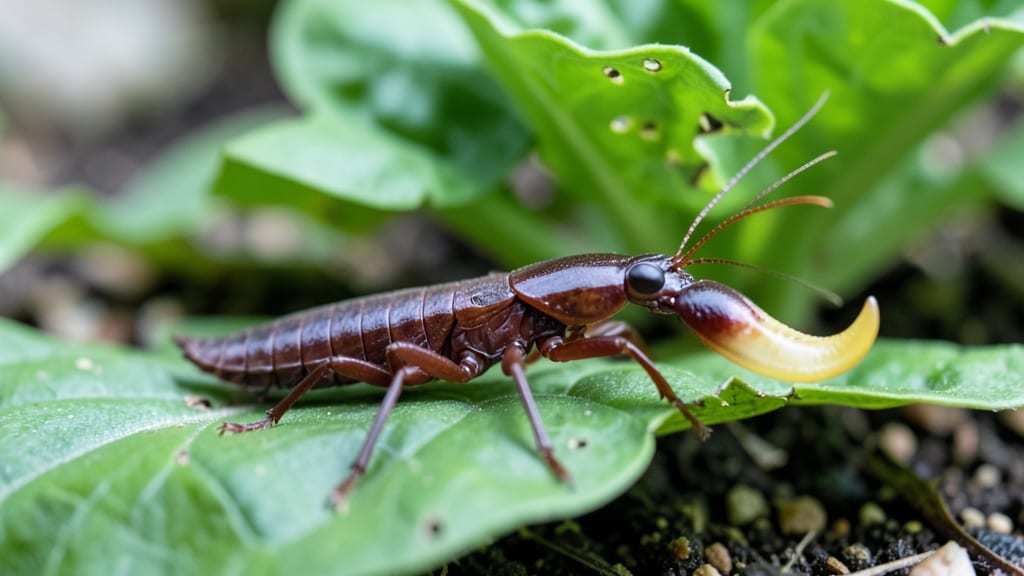
How to deal with earwigs slithering through your garden at night? 🌱 These pincher-wielding pests turn up when humidity rises, and they’re more of a nuisance than a threat—but they can still damage tender seedlings and flowers. The key to humane control? Simple traps that lure them away without harming them or your plants.
My go-to method uses rolled-up newspaper or cardboard as a barrier trap. Earwigs hide in damp, dark corners, so placing these roll-ups near problem areas (like under pots or mulch) creates a one-way exit.
Check and empty them daily—you’ll be shocked how many you collect in just a few nights. No chemicals, no harm, just effective pest removal.
Once you’ve cleared the worst of them, focus on prevention: reduce mulch near plants, keep garden beds dry, and use diatomaceous earth lightly around vulnerable areas. The goal isn’t to eradicate them entirely—just to keep them from overstaying their welcome.
Your garden will thank you with fewer chewed leaves and more peaceful evenings.
This works for vegetable gardens, flower beds, and even houseplants. The same traps can be reused season after season, making it a cost-effective, eco-friendly solution that keeps your garden thriving without the guesswork.
The Hidden Triggers Behind Earwigs
Earwigs—those small, nocturnal critters with pincers—don’t just appear out of nowhere. Their presence in your home or garden is usually a response to specific environmental cues. Understanding why they show up is the first step to preventing them effectively.
Let’s break down the science behind their behavior and what attracts them to your space.
Earwigs thrive in damp, humid conditions because their bodies lose moisture quickly in dry air. Without proper hydration, they can’t survive long. Here’s why moisture draws them in:
- High humidity (70%+): Earwigs prefer environments where the air feels sticky. If your basement, bathroom, or garden soil stays consistently damp, you’re essentially rolling out the welcome mat. 🌧️
- Leaky pipes or poor drainage: Standing water or soggy mulch creates ideal breeding grounds. These pests love to nest in moist leaf litter, under rocks, or in cracks where water pools.
- Condensation buildup: Windows, AC units, and even houseplants can create condensation. Earwigs will crawl toward these areas, especially at night when temperatures drop.
Actionable insight: Reduce humidity with dehumidifiers, fix leaks, and improve ventilation in problem areas. Earwigs will seek drier environments if you make yours less inviting.
Earwigs are primarily outdoor insects, but they’ll sneak inside when conditions outside become unfavorable. Their nocturnal habits and specific triggers explain their indoor appearances:
- Searching for food: At night, earwigs scavenge for decaying organic matter—think overripe fruit, fallen leaves, or even pet food. If your kitchen or garden has accessible food sources, they’ll investigate. 🍎🐛
- Temperature shifts: Cold snaps or heatwaves can disrupt their outdoor habitats. Earwigs may seek shelter indoors to regulate their body temperature, especially in drafty areas like garages or crawl spaces.
- Mating season (spring/summer): Female earwigs lay eggs in moist soil, and males follow to mate. If your yard has ideal nesting spots, you’ll see more earwigs during peak activity months (May–September).
Actionable insight: Seal cracks in windows, doors, and foundations with caulk or weather stripping. Store food in airtight containers and keep outdoor lights off at night to reduce their nighttime foraging.
Earwigs don’t just wander randomly—they’re drawn to specific types of organic matter. Their diet and nesting preferences explain why they cluster in certain areas:
| Attraction Source | Why It Draws Earwigs | Where to Check |
|---|---|---|
| Decaying plant material | Earwigs feed on rotting leaves, wood, and compost. They’re decomposers, breaking down organic waste. | Garden beds, mulch piles, compost bins |
| Stagnant water | They need moisture to survive, and standing water provides both hydration and breeding sites. | Clogged gutters, saucers under pots, damp basements |
| Pet food or spilled seeds | Protein and carbohydrates attract them indoors, especially if other food sources are scarce. | Kitchen floors, pet bowls, bird feeders |
Actionable insight: Clear away leaf litter, rake up mulch, and remove standing water. Store firewood away from your home’s foundation, and keep outdoor eating areas clean.
Earwigs are opportunistic hitchhikers. If your home has gaps or weak entry points, they’ll exploit them. Here’s how your property might be unintentionally aiding their invasion:
- Gaps in screens or vents: Even small tears in window screens or damaged vent covers let earwigs slip inside undetected.
- Unsealed cracks in walls/foundation: Earwigs can squeeze through openings as thin as a credit card. Check for gaps around pipes, utility lines, and door thresholds.
- Overgrown vegetation touching your home: Bushes or ivy brushing against siding create bridges for earwigs to crawl indoors.
Actionable insight: Inspect your home’s exterior for entry points and seal them with silicone caulk or steel wool. Trim back plants and shrubs to create a 1-foot barrier around your foundation.
Now that you know what’s luring earwigs to your space, the next step is addressing these triggers—starting with humane traps like roll-up barriers. Stay tuned for our next section on effective, cruelty-free solutions!
Practical Fixes for Earwig Problems
Now that you understand why earwigs invade your space, it’s time to take action! These solutions are designed to be humane, effective, and easy to implement, whether you’re dealing with a minor infestation or a full-blown earwig takeover.
Below, we’ve mapped out cause-specific fixes—plus prevention tips to keep them from coming back.
---
Earwigs thrive in damp, dark spaces. If your home or garden has standing water, leaky pipes, or cluttered areas, they’ll move in fast.
How to Fix It: - 🔥 Dry Out Problem Areas – Use a dehumidifier in basements, bathrooms, and crawl spaces. Fix leaky faucets or pipes immediately. - 🍳 Remove Mulch & Debris – Earwigs love hiding under piles of leaves, wood, or rocks. Clear these from your yard and store firewood at least 20 feet away from your home. - 👨🍳 Ventilate Dark Spaces – Open windows during the day to let moisture evaporate, and use vent fans in damp areas like laundry rooms.
💡 Pro Tip: If you have potted plants, elevate them off the ground and avoid overwatering—they’re prime earwig real estate!
---
Earwigs squeeze through tiny gaps—even cracks as small as 1/16 inch. Sealing them off is your first line of defense.
How to Fix It: - 🔪 Caulk Gaps – Inspect your home’s foundation, windows, doors, and utility lines. Use silicon caulk to seal cracks in siding, brick, and concrete. - ⏰ Install Door Sweeps – A simple weatherstrip or door sweep can block earwigs from crawling under doors. - 🚪 Use Fine Mesh Screens – Cover vents, chimneys, and attic openings with fine mesh screening (no larger than 1/8 inch).
🎯 Prevention Bonus: Check for gaps around pipe openings, cable entries, and mail slots—these are common entry points!
---
Since earwigs are nocturnal and moisture-loving, traps and physical barriers work best without harming them.
How to Fix It: - 🍎 DIY Roll-Up Trap (Best for Gardens & Patios) - Roll up a thick cardboard tube (like a paper towel roll) and place it in a shallow dish of water with a little dish soap. - Earwigs will crawl inside, get trapped, and drown humanely (the soap breaks their surface tension). - 💡 Pro Tip: Place traps near moisture sources (under sinks, in basements, or by garden beds).
- 🌡️ Sticky Traps (For Indoors) - Use double-sided tape or commercial sticky traps near windows, doors, and damp areas. - ⚠️ Warning: Check traps daily—earwigs can suffocate if left too long.
- ✨ Roll-Up Barriers (For Outdoor Prevention) - Create a physical barrier by rolling up aluminum foil or plastic sheeting and placing it around garden beds. - Earwigs hate crawling over smooth surfaces—this keeps them out of potted plants and veggie gardens.
---
Earwigs dislike certain scents and textures. Use these non-toxic methods to keep them away.
How to Fix It: - 🌿 Sprinkle Diatomaceous Earth (DE) – Food-grade DE is a natural insect powder that dehydrates earwigs on contact. - Lightly dust along baseboards, under sinks, and garden borders. - ⚠️ Safety Note: Avoid inhaling DE—wear a mask when applying.
- 🍋 Use Essential Oils – Earwigs hate citrus and mint scents. - Mix 10 drops of peppermint or citrus oil with 1 cup of water and spray around entry points. - Reapply every 3-4 days (or after rain).
- 🌱 Plant Repellent Herbs – Earwigs avoid lavender, rosemary, and thyme. - Plant these near your home’s foundation or in garden borders.
---
Once you’ve eliminated earwigs, prevent reinfestation with these habits:
✅ ✔️ Keep Your Home Dry – Fix leaks, use dehumidifiers, and wipe down shower walls after use. ✅ ✔️ Declutter Storage Areas – Earwigs love hiding in old newspapers, cardboard, and fabric piles. ✅ ✔️ Inspect Firewood & Mulch – Store firewood off the ground and away from your house. ✅ ✔️ Trim Overgrown Vegetation – Earwigs use plants as bridges into your home. ✅ ✔️ Check After Rain – Earwigs are most active after heavy rainfall—set traps 24-48 hours post-rain.
--- Final Thought: Earwigs are easy to manage when you tackle the root causes—moisture, hiding spots, and entry points. With these humane, practical fixes, you’ll keep them out without harming them or your home. 🚀
Frequently asked questions
Are earwigs dangerous to humans or pets?
Earwigs are completely harmless to humans and pets! While their pincers might look intimidating, they can’t actually pinch humans. They’re mostly a nuisance, feeding on decaying plant matter and occasionally munching on tender seedlings. Their presence is more about protecting your garden than posing any health risks.
Why do I see more earwigs after it rains?
Rain creates perfect conditions for earwigs! The increased humidity and moisture make them more active as they search for shelter. After rainfall, they often crawl indoors or into garden beds seeking protection. This is why you’ll notice them clustering near damp areas or under mulch after wet weather.
Can I use vinegar to repel earwigs?
Vinegar can help as a temporary deterrent, but it’s not the most effective long-term solution. The strong smell might discourage them temporarily, but earwigs will return if moisture and hiding spots remain. For better results, focus on reducing humidity and sealing entry points instead of relying solely on vinegar sprays.
How long does it take for diatomaceous earth to work?
Diatomaceous earth (DE) starts working immediately upon contact, but you’ll typically see noticeable results within 24-48 hours. The powder dehydrates earwigs by damaging their exoskeletons. For best results, reapply every 3-5 days or after rain, as moisture can reduce its effectiveness.
Will earwigs go away on their own?
Yes, but only if you address the conditions attracting them. Earwigs are seasonal pests that naturally decline in cooler months. However, if you don’t reduce moisture or eliminate hiding spots, they’ll keep returning. Proactive measures like traps and prevention strategies ensure they stay away for good.