
Companion Plants
How to deter grasshoppers from plants—it’s all about outsmarting their love for tender foliage with natural barriers that actually work, not just scare tactics.
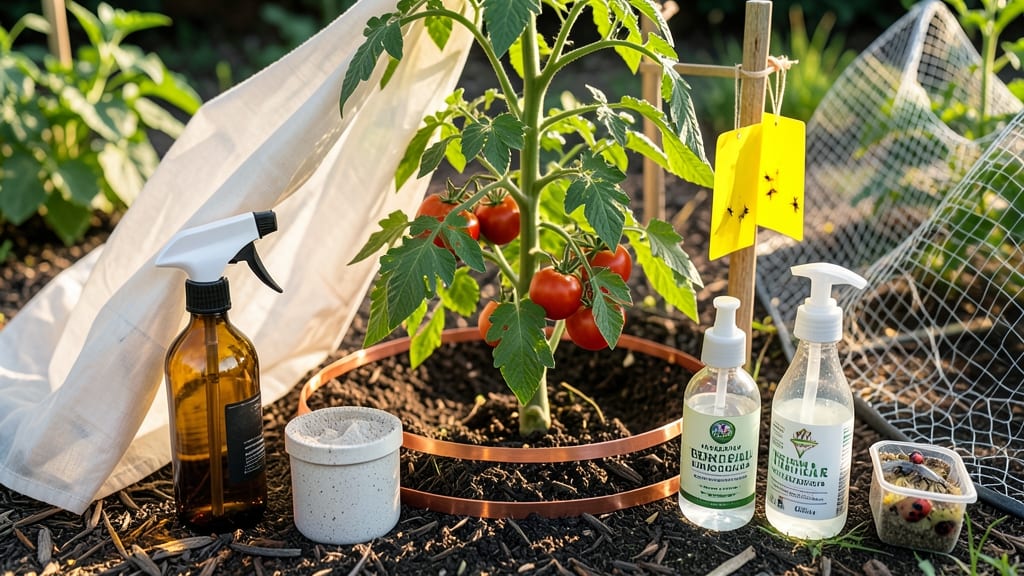
Companion plants like marigolds, garlic, and catnip create a grasshopper-free zone when planted strategically around your veggies. Physical barriers—row covers, copper tape, or even diatomaceous earth—block their access without chemicals. The best part? These methods work before they become a problem, saving your harvest.
You'll see results within days: fewer chewed leaves, more pollinators visiting, and plants that stay lush and productive all season. The secret is combining multiple approaches—grasshoppers hate surprises, and your garden will too.
Works for vegetables, flowers, and shrubs alike, whether you're dealing with a small backyard or a large plot. Here's how to set up defenses that last the whole growing season.
The Root Causes Behind Grasshopper Attacks
Grasshoppers don’t just randomly munch on your garden—they’re drawn by a mix of environmental cues, plant chemistry, and sheer survival instinct. Understanding why they target your plants is the first step to outsmarting them. Let’s break down the key factors that turn your lush garden into an all-you-can-eat buffet.
Grasshoppers are opportunistic feeders, and they love plants that are soft, tender, and packed with easy-to-digest nutrients. Here’s why your garden might be a grasshopper’s dream:
- New Growth is a Feast Young, succulent leaves and stems are high in water content and low in defensive compounds like tannins.
Grasshoppers prefer these because they’re easier to digest. Actionable insight: If you notice grasshoppers clustering on new shoots, they’re likely drawn by the plant’s high moisture and protein levels.
- Stressed or Damaged Plants Emit Signals When plants are stressed (from drought, overwatering, or poor soil), they produce volatile organic compounds (VOCs) that attract herbivores like grasshoppers.
It’s like a dinner bell for pests! Science note: Studies show that damaged plants release chemicals like jasmonates, which can actually increase grasshopper feeding activity.
- Legumes and Broadleaf Plants Are Top Picks Grasshoppers adore plants like beans, clover, and alfalfa because they’re rich in nitrogen and sugars, which fuel their growth. Even ornamental plants like roses and sunflowers are fair game if they’re healthy and thriving.
Grasshoppers are cold-blooded, meaning their activity levels skyrocket when temperatures rise. Here’s how weather plays a role:
- Heat Accelerates Metabolism At temperatures above 75°F (24°C), grasshoppers become hyperactive, molting faster and reproducing at alarming rates.
A single female can lay hundreds of eggs in warm soil, leading to explosive populations. Pro tip: If your garden is in a hot, dry climate, you’re likely dealing with more aggressive feeders during peak summer months.
- Drought Stress Makes Plants More Vulnerable While grasshoppers need water to survive, they prefer plants that are already struggling.
Drought-stressed vegetation has lower defensive compounds (like silica, which deters chewing), making it an easier target. Data point: Research from the Journal of Insect Science found that grasshoppers spend 30% more time feeding on water-deprived plants compared to well-hydrated ones.
- Wind and Open Spaces Help Them Hunt Grasshoppers rely on wind to disperse and locate food sources.
Gardens with open, exposed areas (like vegetable patches or lawn edges) are prime hunting grounds because pests can spot plants from a distance. Visual clue: If you see grasshoppers hopping in straight lines toward your garden, they’re likely following a scent or visual trail.
In a balanced ecosystem, grasshoppers face a gauntlet of predators—birds, spiders, parasitic wasps, and even other insects. But when these natural checks are missing, grasshopper populations explode. Here’s why your garden might be a predator-free zone:
- Urban and Suburban Gardens Lose Wildlife Lawns, fences, and lack of native shrubs reduce habitats for grasshopper predators. Birds like meadowlarks and sparrows (which eat 50+ grasshoppers a day) avoid manicured spaces. Solution insight: Adding birdhouses, brush piles, or native perennials can lure back these allies.
- Overuse of Broad-Spectrum Pesticides Chemicals that kill grasshoppers also wipe out their predators, creating a vacuum effect. Without spiders or wasps to keep populations in check, grasshoppers reproduce unchecked. Warning: Even "organic" pesticides can sometimes harm beneficial insects—always check labels.
- Monoculture Gardens Are a Grasshopper’s Paradise Planting large swaths of the same crop (like corn or wheat) removes biodiversity, making it easier for grasshoppers to find and strip entire fields. Ecological fact: Diverse gardens with intercropping (mixing plants like marigolds with veggies) disrupt grasshopper feeding patterns by confusing their navigation.
Plants have evolved chemical defenses, but grasshoppers have learned to ignore the ones that don’t pack a punch. Here’s how plant chemistry influences their behavior:
- Low-Tannin Plants Are Easy Targets Tannins are bitter compounds that deter herbivores. Grasshoppers avoid plants like oak leaves (high in tannins) but go for tomatoes or squash (lower in defenses). Garden hack: Mixing tannin-rich plants (like rosemary or thyme) near vulnerable crops can create a chemical barrier.
- Volatile Oils Repel or Attract Some plants release volatile oils that repel grasshoppers (e.g., citrus, lavender), while others (like alfalfa) emit compounds that attract them. Grasshoppers use their antennae to detect these smells from up to 30 feet away.
- Silica-Rich Plants Are Tougher to Chew Plants like grasses and certain cereals accumulate silica in their tissues, making them harder to digest. Grasshoppers will often avoid these unless starving. Bonus: Growing bamboo or switchgrass as borders can create a natural silica-rich barrier.
Next up: How to Turn These Triggers Into Your Garden’s Defense Strategy
Natural Ways to Keep Grasshoppers Away
Grasshoppers may love your garden, but you don’t have to! The good news is that there are effective, natural solutions to deter these hungry pests without resorting to harsh chemicals.
Below, we’ll match common causes of grasshopper infestations with practical fixes, from physical barriers to plant-based repellents. Prevention tips are included to keep your garden safe long-term.
Grasshoppers target stressed plants—whether they’re overcrowded, nutrient-deficient, or already damaged. A healthy garden is less appealing to them.
How to Solve:
- 🔥 Prune & Thin Plants – Remove overgrown or weak stems to improve airflow and plant resilience. Grasshoppers avoid strong, well-spaced foliage.
- 🍽️ Boost Plant Health – Use compost or organic fertilizer to strengthen roots. Healthy plants recover faster from nibbles.
- 🌡️ Water Deeply & Early – Water at the base in the morning to reduce humidity (grasshoppers love damp soil) and help plants absorb nutrients.
💡 Prevention Tip: Rotate crops annually to prevent soil depletion, which weakens plants and attracts pests.
Grasshoppers hop and fly, so physical deterrents can stop them before they reach your plants.
How to Solve:
- 🔪 Row Covers or Netting – Lightweight floating row covers (made of fine mesh) block grasshoppers while allowing sunlight and water through. Secure edges with soil or stakes.
- 🏗️ Copper Tape or Wire – Wrap copper tape (a mild electric shock when touched) around raised beds or plant stems. Grasshoppers dislike the sensation.
- 🪴 Collars Around Stems – Use cardboard or plastic collars (like toilet paper rolls) around young seedlings to create a barrier until they’re established.
✨ Pro Tip: Combine barriers with reflective mulch (like aluminum foil strips) to disorient grasshoppers with light flashes.
Certain plants and aromas confuse or repel grasshoppers naturally. Plant these strategically around your garden.
How to Solve:
| Repellent Plant | Why It Works | How to Use |
|---|---|---|
| 🌺 Marigolds | Contains pyrethrin, a natural insect repellent | Plant around garden edges |
| 🌿 Basil & Mint | Strong scent masks plant odors | Grow in pots near vulnerable plants |
| 🍋 Citrus Peels | Grasshoppers hate citrus oils | Scatter dried peels or soak in water for spray |
| 🌿 Garlic & Onions | Sulfur compounds deter pests | Crush and place near plant bases |
| 🌵 Lavender | Calming scent for humans, repulsive to grasshoppers | Plant in borders or pots |
🎯 Bonus: Crush fresh herbs (like rosemary or thyme) and sprinkle around plants for an extra scent barrier.
Grasshoppers thrive in tall grass, weeds, and unkempt areas. Keeping their favorite hiding spots clean reduces infestations.
How to Solve:
- 🔪 Mow & Tidy Up – Remove tall grass, weeds, and debris where grasshoppers lay eggs or hide.
- 🪴 Remove Egg Laying Sites – Grasshopper eggs overwinter in soil. In late summer/fall, till or aerate garden beds to disrupt egg clusters.
- 💧 Eliminate Standing Water – Puddles attract grasshoppers. Fix leaks and drain soggy areas.
🔥 Quick Fix: Spread diatomaceous earth (food-grade) lightly around plants—it’s a natural abrasive that dehydrates grasshoppers on contact.
Ladybugs, birds, and parasitic wasps love eating grasshoppers. Attract them to your garden for free pest control!
How to Solve:
- 🐦 Install Birdhouses & Feeders – Birds (like sparrows and robins) snack on grasshoppers. Add shallow water sources too.
- 🐞 Plant Pollinator-Friendly Flowers – Dill, fennel, and yarrow attract ladybugs, which devour grasshopper eggs.
- 🕷️ Welcome Spiders & Ground Beetles – Avoid pesticides—these predators hunt grasshoppers naturally.
💡 Prevention Tip: Avoid broad-spectrum pesticides, as they kill beneficial insects too.
For small infestations, handpicking works—especially in the early morning when grasshoppers are sluggish.
How to Solve:
- 🕰️ Timing Matters – Check plants before dawn when grasshoppers are slow.
- 🪒 Use a Net or Gloves – Shake them into a bucket of soapy water (humane disposal).
- 🌾 Focus on Hotspots – Target areas with heavy damage first.
⚠️ Warning: Only do this for small outbreaks—large populations require broader strategies.
To keep grasshoppers away year-round, follow this simple routine: ✅ Spring: Apply neem oil spray as a preventive. ✅ Summer: Monitor for egg masses and till soil in late summer. ✅ Fall: Plant repellent borders (like marigolds or basil). ✅ Winter: Keep garden beds tidy to remove overwintering eggs.
By combining physical barriers, repellent plants, habitat disruption, and natural predators, you can significantly reduce grasshopper damage without chemicals. Start with one or two methods, observe what works best in your garden, and adjust as needed! 🌱🚫🐜
Frequently asked questions about deterring grasshoppers
Why do grasshoppers suddenly appear in my garden?
Grasshoppers target gardens when they detect stressed plants, which emit chemical signals that attract them. They also thrive in warm, dry conditions and prefer tender new growth. If you notice them clustering on young leaves, it’s likely because your plants are healthy and full of nutrients they crave.
Will diatomaceous earth harm my plants or beneficial insects?
Food-grade diatomaceous earth is safe for plants and non-toxic to humans/pets, but it can harm beneficial insects like bees if applied directly to flowers. Use it sparingly around plant bases, avoiding blooms. For extra protection, apply it in the evening when pollinators are less active.
How long does it take for repellent plants to work?
Most repellent plants like marigolds or basil start working within 1-2 weeks once established, as their scent builds up. For immediate results, combine them with physical barriers like row covers or copper tape. The stronger the scent barrier, the faster grasshoppers will avoid your garden.
Can I use chemical pesticides safely around edible plants?
Chemical pesticides should be used as a last resort and only on edible plants after checking the harvest interval (wait time before eating). Many organic options like neem oil or pyrethrin are safer but still require careful application. Always follow label instructions to avoid contaminating your harvest.
What’s the best time of day to handpick grasshoppers?
Early morning is ideal because grasshoppers are sluggish and easier to catch. Wait until dew has dried but before temperatures rise. Use a net or gloves to gently remove them and drop them into soapy water for humane disposal. This method works best for small infestations.