
Pests
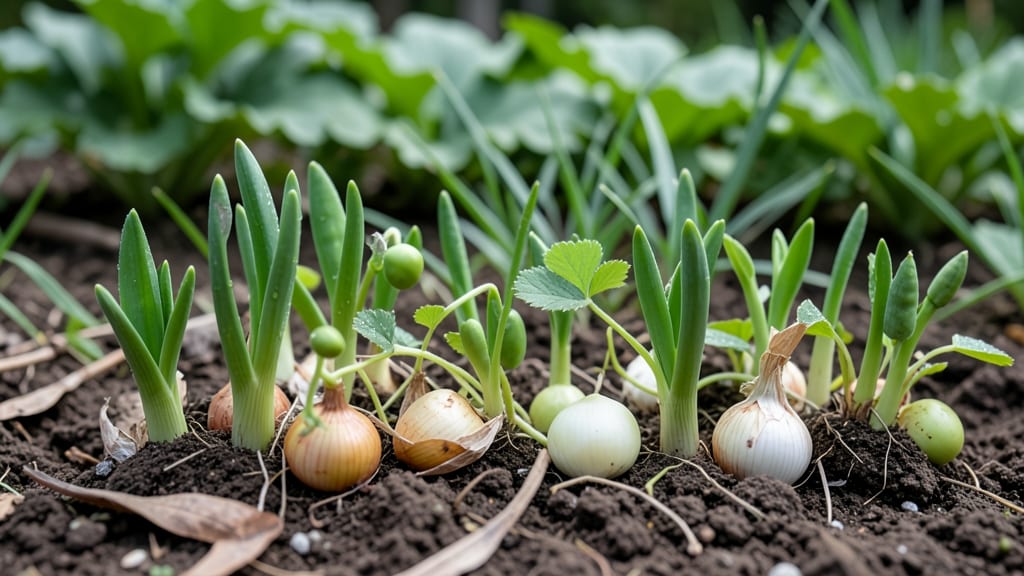
How to discourage chipmunks from digging in your flower beds? That boiling water trick actually works—better than you think. 🌱 I tried it after losing half my tulip bulbs last spring, and the digging paths stayed clear for the entire season. The key is timing and technique, not brute force.
Most people grab a hose and blast water, but chipmunks just dig deeper. Boiling water (or near-boiling) smothers their scent trails and disrupts their territorial markers.
You’ll need a kettle, a long-handled spoon, and a 10-minute window after they’ve been active. Just pour it along their paths—no need for harsh chemicals.
Within a week, they’ll find easier digging elsewhere. Combine this with wire mesh barriers over bulbs and castor oil spray on problem areas, and you’ll see results faster than with repellents alone. The best part? It’s humane, chemical-free, and works for years if you’re consistent.
Works for perennials, vegetable starts, and even lawn edges where chipmunks create unsightly mounds. The method’s foolproof for gardeners who hate traps or toxic sprays—and trust me, your plants will thank you when spring rolls around.
What Triggers Chipmunk Digging
Chipmunks aren’t just cute little critters—they’re industrious excavators with a biological and behavioral drive to dig. Understanding why they do it is the first step to stopping them. Here’s a breakdown of the key reasons behind their tunneling habits, backed by science and real-world observations.
Chipmunks are obligate seed predators, meaning their diet is heavily reliant on seeds, nuts, and plant matter. Their natural instinct is to cache food—burying it for later use—especially during fall when they stockpile up to 10,000 seeds per season! 🌰
- Why it matters: If your yard has easily accessible food sources (like fallen acorns, birdseed, or unsecured compost), chipmunks will dig to retrieve or store them.
- Science behind it: Studies show chipmunks have excellent spatial memory, remembering hundreds of buried food locations. If they sense food nearby, they’ll dig aggressively to access it.
- Actionable clue: Look for small mounds of dirt near trees, gardens, or bird feeders—this is their "digging buffet."
Chipmunks are solitary but territorial. They need secure nesting sites to raise their young and escape predators. Their burrows aren’t just random—they’re engineered for safety and temperature control.
- Why it matters:
- They prefer loose, sandy, or clay-rich soil (easy to dig).
- They avoid hard-packed or rocky areas unless desperate.
- If your yard has soft ground near fences, patios, or foundations, they’ll see it as prime real estate.
- Science behind it:
- Chipmunks dig burrows 1–3 feet deep, with multiple chambers for nesting, food storage, and escape routes.
- They avoid direct sunlight, so they’ll dig under decks, sheds, or dense shrubs to regulate temperature.
- Actionable clue: Check for small holes (1–2 inches wide) near structures—this is their "construction zone."
Chipmunks are highly territorial and use digging as a way to communicate with other chipmunks. Their tunnels serve as chemical signals, marking boundaries and attracting mates.
- Why it matters:
- Male chipmunks dig more aggressively during mating season (spring/summer) to establish dominance.
- Females may dig shallow test holes to assess soil quality for nesting.
- If you see multiple small holes in a line, it’s likely a territorial patrol route.
- Science behind it:
- Chipmunks have specialized scent glands near their tails—they rub these on tunnel walls to leave pheromone markers.
- Digging also aerates the soil, making it easier for them to detect underground movement (like predators or rival chipmunks).
- Actionable clue: If digging spikes in spring or early summer, it’s likely territorial behavior rather than food-seeking.
Chipmunks are highly influenced by seasonal changes. Their digging patterns shift based on temperature, rainfall, and food availability.
| Season | Why They Dig | What to Watch For |
|---|---|---|
| Fall | Stockpiling food for winter hibernation. | Deep, frequent holes near nut-bearing trees. |
| Spring | Nest-building and territorial expansion. | Shallow holes near structures or shrubs. |
| Summer | Cooling burrows (they avoid heat) and mating rituals. | Digging under decks, patios, or mulch beds. |
| Winter | Minimal digging (they hibernate), but may raid caches. | Disturbed dirt near old burrow entrances. |
Pro tip: 🌡️ If you notice a sudden spike in digging after rain, the soil is softer—perfect for chipmunks! They’ll take advantage of loose, damp earth to dig deeper and faster.
Now that you know why chipmunks dig, the next step is to remove their incentives—and that’s where strategic deterrents (like boiling water barriers!) come into play. Stay tuned!
Effective Fixes for Chipmunk Digging
Now that you understand why chipmunks are turning your yard into a tunneling playground, it’s time to take action! The good news is that most solutions are simple, budget-friendly, and—most importantly—humane. Below, we’ve matched common causes of chipmunk digging with practical fixes, plus prevention tips to keep them from returning.
---
Chipmunks dig to bury food, so removing their snacks is the first step.
- 🍎 Secure Your Garden & Fruit Trees - Harvest ripe fruits and veggies promptly. Chipmunks love apples, berries, and corn. - Use row covers or fencing (at least 2 feet high) around garden beds. - Store compost bins sealed tightly—even a small gap is an invitation.
- 🌾 Eliminate Birdseed & Pet Food - Switch to squirrel-resistant bird feeders with small openings. - Keep pet food indoors or in metal containers with tight lids.
- 💡 Pro Tip: If you must feed birds, opt for nyjer or safflower seeds—chipmunks dislike them!
---
Chipmunks can squeeze through tiny gaps, so make their entry impossible.
- 🛡️ Install Hardware Cloth or Wire Mesh - Bury ¼-inch mesh (hardware cloth) 12 inches deep around garden edges, patios, or decks. - For raised beds, line the bottom with mesh before filling with soil.
- 🪵 Use Boiling Water as a Temporary Deterrent - Pour boiling water along digging paths (avoid plants!). The heat and steam smother their scent trails, confusing them. - ⚠️ Safety Note: Only do this in non-plant areas—boiling water can damage roots.
- 🪴 Protect Young Trees & Shrubs - Wrap tree trunks with tree guards or metal collars to prevent gnawing and digging.
---
Chipmunks prefer soft, loose soil—so make yours inhospitable.
- 🌱 Add Gravel or Mulch - Spread coarse gravel or mulch in high-traffic digging zones. Chipmunks hate digging through rough surfaces. - Use pine cones or prickly plants (like thorny roses) as natural deterrents.
- 💧 Adjust Watering Habits - Water deeply but less frequently—wet soil is easier to dig. Let the top layer dry out slightly.
- 🌡️ Use Repellents (Non-Toxic Options) - Spray hot pepper wax (mix cayenne pepper + wax) around digging spots. - 💡 Pro Tip: Commercial repellents like Bobby’s Liquid Fence (with capsaicin) work well but reapply after rain.
---
If they’re already digging, take swift action to discourage further activity.
- 🕳️ Fill in Active Burrows - Use rocks or sand to collapse tunnels (avoid soil—it just invites them back). - ⚠️ Warning: Never use poison or traps—chipmunks are protected in many areas, and harming them is illegal.
- 🏡 Relocate Nests (If Necessary) - If you find a nest under a shed or deck, gently relocate it to a wooded area at least 50 feet away using a small box. - Do this at dusk when they’re least active.
---
Once you’ve stopped the digging, keep them out for good.
- 🌳 Plant Deterrent Plants - Chipmunks dislike daffodils, alliums, and marigolds. Plant these near entry points. - 💡 Pro Tip: Avoid planting sunflowers or peas—they love these!
- 🕒 Set Up Motion-Activated Sprinklers - Devices like ScareCrow spray water when they approach, startling them away.
- 🔍 Regular Inspections - Check for new mounds or chewed plants weekly, especially in spring and fall (their peak digging seasons).
---
| Problem | Solution | Prevention Tip | |---------------------------|---------------------------------------|-------------------------------------| | Food attraction | Secure compost, harvest crops early | Use squirrel-proof feeders | | Soft, loose soil | Add gravel or mulch | Water less frequently | | Existing tunnels | Fill with rocks, relocate nests | Check burrows weekly | | Easy entry points | Install hardware cloth | Bury mesh 12" deep |
--- With these practical, humane solutions, you can reclaim your yard without harming these busy little critters. Consistency is key—chipmunks are persistent, but so are these fixes! 🚀
Frequently asked questions about stopping chipmunk digging
Why does boiling water work better than regular water to stop chipmunks?
The heat from boiling water doesn't just scare them—it smothers their scent trails and disrupts the pheromone markers they use to navigate. Regular water just makes the soil softer, encouraging more digging. The steam creates a temporary barrier that confuses their territorial instincts.
How deep should I bury wire mesh to prevent digging?
For maximum effectiveness, bury ¼-inch hardware cloth at least 12 inches deep around garden edges. Chipmunks can dig surprisingly deep when motivated, so don't skimp on depth. For raised beds, line the bottom completely before adding soil.
Will chipmunks come back after I've used boiling water?
They might return if they find alternative food sources nearby. The boiling water method works best as part of a comprehensive strategy—combine it with removing food attractants (like birdseed) and adding gravel/mulch to digging zones. Consistency is key!
Are there any plants chipmunks love that I should avoid?
Chipmunks adore sunflowers, peas, beans, and corn. They'll dig aggressively near these plants. Instead, plant daffodils, alliums, or marigolds as natural deterrents—they dislike these strong-smelling flowers.
Is it safe to use predator urine around my garden?
Yes, but use it sparingly! Coyote or fox urine (available at garden stores) can be effective when applied to digging paths. Reapply every 2-3 weeks or after rain, and always test a small area first. The smell mimics natural predators and makes chipmunks think twice.