
Succulent
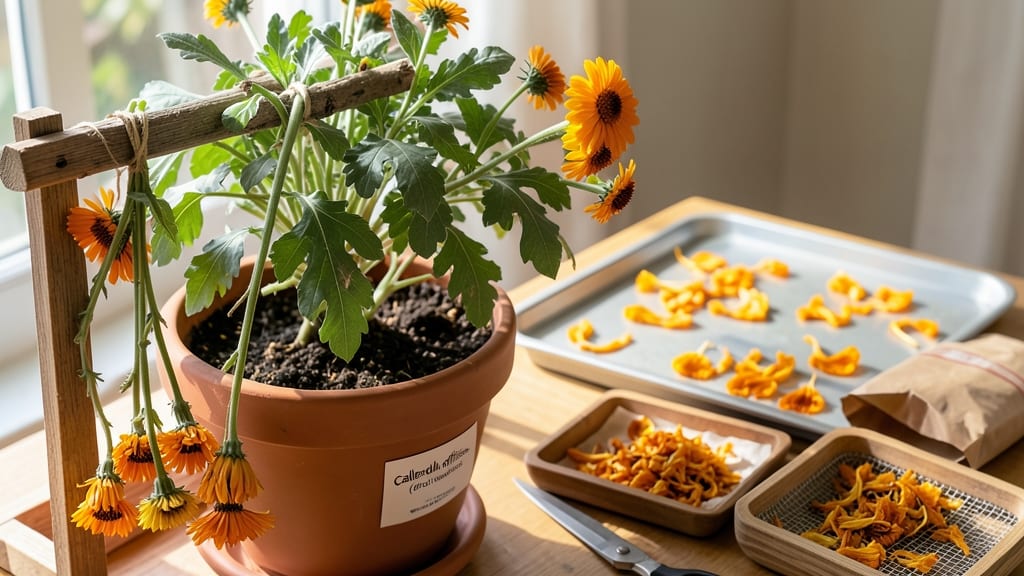
How to dry calendula transforms sunlight-kissed petals into golden treasures. ✨ Drying calendula preserves their vibrant color and healing properties—perfect for herbal remedies, crafts, or kitchen spices—without requiring fancy equipment. The process is simple but transformative, turning fresh blooms into long-lasting assets.
You’ll need just a few basics: fresh calendula flowers, a clean workspace, and either a sunny spot or a low oven. Air-drying is the easiest method—just hang stems upside-down in a dry, dark place for 1-2 weeks.
For faster results, oven-drying at 200°F takes about 1-2 hours while keeping petals intact.
Once fully dry, store petals in airtight jars away from light to maintain their color and potency. They’ll last for months, ready for teas, salves, or decorative projects. The key is patience—rushing the process can dull their golden hue or crumble the delicate petals.
This method works for both gardeners and crafters, turning seasonal blooms into year-round treasures. Whether you’re making herbal remedies or adding beauty to homemade projects, dried calendula is a must-have. Let’s get started!
📚 In This Guide
- What you need
- Instructions
- Tips and common mistakes
- Wrapping up and next steps
What you need
- ● Fresh calendula petals: Harvest petals when fully open and dry (early morning is ideal). Aim for at least 1 cup (or more, depending on your drying needs).
- ● Clean, breathable cloth or paper towels: For gently patting petals dry before drying (this speeds up the process!).
- ● Drying method of choice (pick one): Air-drying: A well-ventilated, dark, and dry space (e.g., a mesh screen, drying rack, or hanging bundle with twine).
- ● Dehydrator: Set to 95–115°F (35–46°C) for gentle, even drying.
- ● Oven: Preheat to lowest setting (170°F/77°C or less) with the door slightly ajar for airflow.
- ● Glass jars or airtight containers: For storage (choose amber or dark-colored jars to protect from light).
- ○ Optional label and marker: To label your dried calendula with the date and purpose (e.g., "salve," "tea," or "decor").
- ● Silica gel packets: For quick drying (place petals between layers of silica gel in a sealed container).
- ● Food dehydrator trays with parchment paper: Prevents sticking and makes cleanup easier.
- ● Desiccant (like rice or uncooked beans): Place in jars with dried petals to absorb moisture and extend shelf life.
- ● Fine-mesh sieve or sifter: For separating petals from stems or debris post-drying.
Step-by-step instructions for drying calendula petals
Here's how I preserve calendula petals so they retain their golden glow and medicinal potency.
🌿 Step 1: Harvest Petals at Peak Freshness
Pick calendula flowers in the morning after dew has evaporated but before the sun intensifies. The petals should be fully open with vibrant color—no wilting or browning at the edges. I snip stems with clean scissors, leaving about 2 inches of stem to hold the flower intact.
Remove petals gently by rolling them between your fingers or using a small knife to separate them from the center. Work quickly to avoid bruising—damaged petals dry unevenly and lose their luster. Spread them in a single layer on a clean, dry surface immediately after harvesting.
☀️ Step 2: Choose Your Drying Method
I use three methods depending on time and space. For air drying, lay petals on a mesh screen or paper towel in a warm, dry, well-ventilated spot away from direct sunlight. A dehydrator set to 95°F works fastest—spread petals in a single layer and dry for 2-3 hours until crisp but not brittle.
For oven drying, preheat to 170°F (never higher—heat bleaches color), place petals on a baking sheet lined with parchment, and prop the oven door open slightly. Check every 30 minutes—they're ready when edges curl slightly but still feel pliable. This method takes 3-5 hours total.
🪴 Step 3: Store Preserved Petals Properly
Once completely dry, petals should crumble slightly when touched but retain their shape. Store them in an airtight glass jar with a silica gel packet to absorb moisture. Keep jars in a cool, dark place—sunlight fades their color over time.
Label each jar with the harvest date. Properly stored petals last 1-2 years while maintaining their healing properties. For culinary use, store separately in a tightly sealed container away from light to preserve flavor and color.
⏰ Step 4: Test for Readiness and Quality
Gently squeeze a dried petal between your fingers—it should crumble easily but not turn to dust. If any petals remain pliable after 48 hours of drying, they need more time. Overly brittle petals lost too much moisture and may crumble prematurely when used.
Check for color retention by examining a small batch under natural light. Vibrant petals should still glow golden-yellow; dull or grayish hues mean they were exposed to too much heat or light during drying. Adjust your method accordingly for future batches.
Tips & tricks for perfectly preserved calendula petals
Between us, these little details make all the difference when drying calendula petals right.
Harvest Timing: Morning is non-negotiable for peak freshness. The dew has evaporated but the sun hasn't stressed the petals yet. I've learned the hard way—harvesting in the afternoon gives you duller petals that lose their golden glow faster during drying. Also, avoid any flowers with brown edges or wilting; these will dry unevenly and lose their medicinal potency.
Drying Method Selection: Your choice between air drying, dehydrator, or oven depends on your patience and equipment. The dehydrator at 95°F gives you the fastest results in just 2-3 hours, but requires the machine. For oven drying at 170°F, that slight open door is crucial—it prevents moisture buildup that would make your petals soggy. I always check every 30 minutes during oven drying because those edges curl just right when they're perfectly dry.
Storage Wisdom: Silica gel packets are your best friend for long-term storage. I've seen calendula lose its vibrant color in just weeks when stored without them. For culinary use, keep petals in a separate container away from light—they'll retain their flavor for months longer. And here's what nobody tells you: label your jars with the harvest date. After 6 months, even properly stored petals start losing some of their healing properties.
Pro Tips for Dry Calendula
- Between us, these little details make all the difference when drying calendula petals right.
- Harvest Timing: Morning is non-negotiable for peak freshness. The dew has evaporated but the sun hasn't stressed the ...
- Drying Method Selection: Your choice between air drying, dehydrator, or oven depends on your patience and equipment. ...
Frequently asked questions
Got questions about drying calendula? You’re not alone! Here are some of the most common queries—and their straightforward answers—to help you master the process like a pro.
How long does it take to dry calendula petals completely?
Drying time depends on your method, but most calendula petals are fully dry in 1–3 weeks. Air-drying (hanging or laying flat) takes the longest (2–3 weeks), while dehydrators or low oven settings (around 200°F) speed it up to 4–12 hours. Test for dryness by gently crumbling a petal—if it snaps easily, it’s ready!
Can I dry calendula in the sun instead of indoors?
While direct sunlight might seem convenient, it’s not ideal for preserving calendula’s vibrant color and medicinal properties. UV rays can fade the petals and degrade their healing compounds. Instead, opt for indirect light (like a sunny windowsill with shade) or stick to air-drying indoors for the best results.
What if my dried calendula smells musty or looks moldy?
Mold or mustiness usually means moisture got trapped during drying. To troubleshoot:
- Check humidity: Ensure your drying area is well-ventilated and dry (aim for <60% humidity).
- Space them out: Overcrowding petals can trap moisture—leave at least 1–2 inches between layers.
- Discard affected petals: If mold appears, toss those petals immediately to prevent spoilage.
Do I need to wash calendula petals before drying?
Yes! Washing removes dirt, pests, and excess moisture that can speed up spoilage. Gently rinse petals with cool water and pat them dry with a clean towel or paper towels. Avoid harsh scrubbing—calendula petals are delicate. Let them air out for 10–15 minutes before drying to ensure they’re completely dry to the touch.
Can I use dried calendula for tea, salves, or cooking?
Dried calendula is versatile and potent—just store it in an airtight container away from light. Use it for:
- Tea: Steep 1–2 tsp of petals in hot water for 5–10 minutes (great for skin healing or relaxation!).
- Salves/ointments: Crush dried petals and infuse them in oil (like olive or coconut) for homemade remedies.
- Cooking (sparingly!): Add a pinch to soups, salads, or honey for a floral touch—just remember, it’s strong!
Wrapping up and next steps
Drying calendula petals is a simple yet rewarding way to harness their beauty and healing powers—whether for homemade remedies, crafts, or kitchen spices. With the right techniques, like gentle air-drying or low-heat dehydration, you’ll preserve their vibrant color and medicinal properties for months.
Now that you’re equipped with the know-how, why not try your hand at it? Start small with a fresh bouquet, experiment with different methods, and soon you’ll have a stash of golden petals ready for salves, teas, or decorative touches!