
Aphids
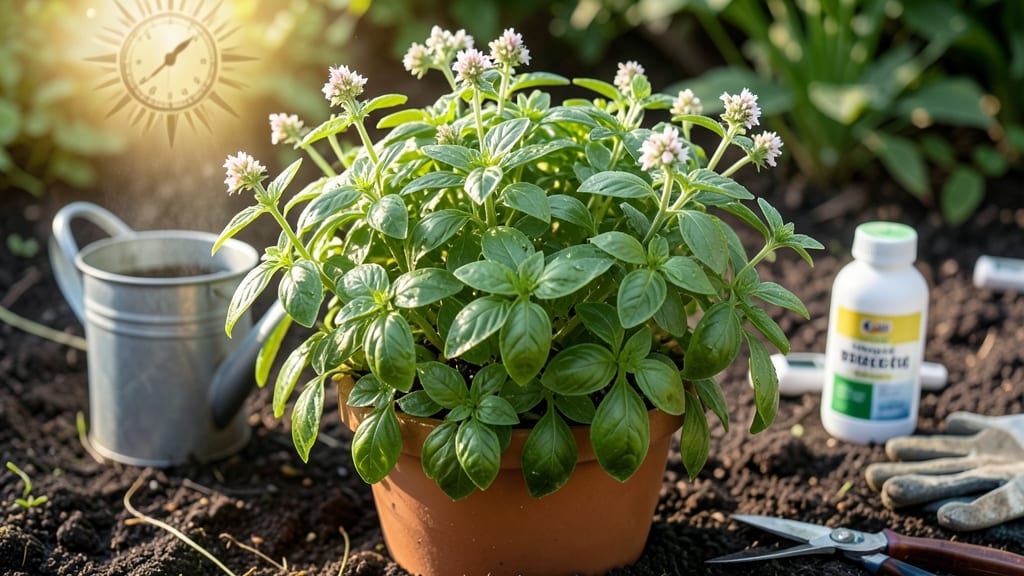
How to encourage basil growth in just three weeks—so your kitchen smells like a Tuscan summer. 🌿 I've grown basil for years, and the difference between a struggling plant and a leafy, fragrant monster comes down to three things: light, water, and knowing when to pinch those stems.
The biggest mistake people make is treating basil like any other herb—too much water, not enough sun, and no pruning. Basil thrives in full sun (6+ hours daily), well-draining soil, and regular harvesting. Containers work great, but make sure they have drainage holes—soggy roots are basil's worst enemy.
By the end of week 3, you'll be snipping fresh leaves for pesto, salads, and pasta, with plants so bushy they look like they've been growing for months. The secret? Prune the top sets of leaves when stems reach 6 inches tall—this encourages branching and keeps the plant producing.
Works for both patio containers and in-ground beds, and the same principles apply whether you're growing sweet basil, Thai basil, or purple basil. Let's get those plants growing like crazy!
📚 In This Guide
- What you need
- Instructions
- Tips and common mistakes
- Wrapping up and next steps
What you need
- ● Basil seeds or seedlings: 1 packet of seeds (or 3-5 young seedlings from a nursery). Choose sweet basil (Ocimum basilicum) for the best flavor and growth.
- ● Containers: 5-6-inch diameter pots (for seedlings) or
- ● A large container (at least 12 inches deep and wide) with drainage holes for multiple plants.
- ● Potting mix: 1 bag of high-quality, well-draining seed-starting mix or a blend of 50% potting soil + 50% perlite/vermiculite (avoid garden soil—it’s too dense!).
- ● Watering can or spray bottle: With a fine mist nozzle for gentle watering.
- ● Fertilizer: Balanced liquid fertilizer (10-10-10 or 20-20-20) or
- ● Organic options like fish emulsion or compost tea.
- ● Grow lights or sunny windowsill: Basil thrives in 6-8 hours of sunlight daily. If indoors, a grow light (LED or fluorescent) works great.
- ● Pruning shears or clean scissors: For harvesting and trimming.
- ● Slow-release fertilizer pellets: Mix into soil for steady nutrient supply.
- ● Mulch or straw: To retain moisture and suppress weeds.
- ● Plant food (like worm castings): Boosts soil health and growth.
- ● Support stakes or trellis: If growing tall varieties like Genovese basil.
- ● pH test kit: Basil prefers a soil pH of 6.0-7.0. Adjust with lime (to raise pH) or sulfur (to lower it) if needed.
- ● Companion plants: Basil loves being near tomatoes, peppers, or oregano!
Step-by-step instructions for encouraging basil growth
Here’s how I get my basil plants to grow fast and leafy—no fancy tricks, just smart care.
🌱 Step 1: Start with the Right Light and Soil
Basil thrives in full sun (6+ hours daily), so place your pot in the brightest spot you have—south-facing windows work best. If natural light is weak, supplement with a grow light 6-12 inches above for 12-14 hours daily. You’ll know it’s enough light when leaves stay dark green and compact, not pale or stretched.
Use well-draining potting mix (I avoid garden soil—it compacts too much). Basil roots need oxygen, so mix in 20% perlite or vermiculite to keep it loose. Water until it drains freely from the bottom—soggy soil kills basil faster than anything else.
💧 Step 2: Water Consistently Without Overdoing It
Water basil when the top inch of soil feels dry. Stick your finger in—if it’s damp, wait another day. Underwatering causes wilting, but overwatering leads to yellow leaves and root rot. I water deeply in the morning so excess drains away, and I never let the pot sit in saucers of water.
Here’s the thing—basil hates wet feet. If leaves turn yellow or droop, check the roots. Healthy roots smell earthy; rotten ones stink. Adjust your watering until you see steady, dark green growth with no wilting by midday.
✂️ Step 3: Prune for Bushier, Leafier Growth
Pinch off the top set of leaves when the plant reaches 6 inches tall. This might seem counterintuitive, but it forces the plant to branch out instead of growing tall and leggy. You’ll see new side shoots forming within 7-10 days—that’s your signal it’s working.
Keep harvesting the outer leaves regularly (never more than a third at once). This encourages continuous growth and prevents the plant from flowering too soon. If you see buds forming, snip them off immediately—flowering makes leaves bitter and slows new growth.
☀️ Step 4: Feed and Protect for Fast Results
After 3 weeks of growth, feed with a balanced liquid fertilizer (10-10-10) diluted to half strength. I do this every 2 weeks during active growth. Basil grows fast, and it needs nutrients to keep up. You’ll notice leaves perking up and new growth within days.
Watch for pests like aphids or spider mites—they love basil too. Spray off any bugs with water first, then treat with neem oil if needed. A healthy basil plant is tough, but stress from pests slows growth. Keep it in a spot where it gets airflow but stays sheltered from strong winds.
Tips & tricks for fast basil growth
Here’s what nobody tells you about growing basil that actually works—no guesswork, just proven shortcuts.
Lighting Hack: If your windows aren’t sunny enough, place a mirror near the plant to reflect light during the day. I’ve seen basil grow twice as fast with this trick—it effectively doubles the light exposure without extra equipment. For indoor grow lights, position them 6 inches above the plant if you notice leaves stretching toward the light (a sign of insufficient intensity).
Soil Secret: Basil roots need air more than water, so mix in 30% coconut coir instead of perlite if you’re worried about drainage. The coir holds moisture while still allowing airflow—perfect for those of us who forget to water but don’t want root rot. Always use a pot with drainage holes, even if it’s just a DIY solution like drilling holes in a thrifted container.
Pruning Timing: The 7-10 day window after pinching is critical—don’t wait longer or you’ll miss the branching opportunity. I set a reminder on my phone because I’ve seen plants bolt (flower) when I forget. Once you see those side shoots, keep pinching the new top sets to encourage even more growth. Think of it like training a puppy—consistent, gentle guidance works best.
Fertilizer Frequency: After those first 3 weeks, I feed my basil every 10 days instead of every 2 weeks during peak summer months. The extra nutrients help it recover faster from harvesting. Just remember: dilute that fertilizer to half strength or you’ll burn the roots. A little goes a long way with basil.
Pro Tips for Encourage Basil Growth
- Here’s what nobody tells you about growing basil that actually works—no guesswork, just proven shortcuts.
- Lighting Hack: If your windows aren’t sunny enough, place a mirror near the plant to reflect light during the day. I’...
- Soil Secret: Basil roots need air more than water, so mix in 30% coconut coir instead of perlite if you’re worried ab...
Frequently asked questions
Got questions about growing basil like a pro?
You’re not alone—here are answers to the most common concerns to keep your basil thriving and productive!
How often should I water my basil to encourage fast growth?
Water basil consistently—about 1 inch per week (more in hot climates). Keep soil moist but not soggy; let the top inch dry out between waterings. Overwatering causes root rot, while underwatering stunts growth. Pro tip: Use a moisture meter or stick your finger in the soil to check!
Can I speed up basil growth with fertilizer? What’s the best type?
Yes! Use a balanced, water-soluble fertilizer (like 10-10-10) every 2–3 weeks during the growing season. For organic options, try compost tea or fish emulsion. Avoid over-fertilizing—it burns roots. Bonus: Dilute fertilizer to half-strength for young plants!
Why are my basil leaves turning yellow or curling? How do I fix it?
Yellowing or curling often signals pests (aphids, spider mites), overwatering, or nutrient deficiencies. Check leaves for bugs, adjust watering, and feed with a balanced fertilizer. For pests, spray with neem oil or insecticidal soap. Quick fix: Prune affected leaves to redirect energy to healthy growth!
Is it better to grow basil indoors or outdoors for faster harvests?
Outdoors (in full sun, 6+ hours/day) yields the fastest growth, but indoors works too—just place near a south-facing window or use grow lights. Indoors, growth slows; supplement with extra light and pruning to encourage bushiness. Tip: Rotate pots weekly for even sun exposure!
What’s the ideal temperature for basil growth?
Basil thrives in 60–75°F (15–24°C). Below 50°F (10°C), growth stalls; above 85°F (29°C), leaves bolt (flower prematurely). Use shade cloth in summer or move pots to cooler spots. Cold trick: Grow in containers—you can relocate them indoors if frost threatens!
Wrapping up and next steps
Growing lush, thriving basil is easier than you think—just give your plants the right care, attention, and a little patience! 🌱 With proper sunlight, soil, watering, and pruning, you’ll be harvesting vibrant leaves in no time.
Whether you’re a seasoned gardener or a beginner, these tips will set you up for success.
Now that you’re armed with the know-how, roll up your sleeves and get planting! Start small, experiment with containers, and enjoy the fresh, aromatic rewards of your hard work.
Soon, you’ll be whipping up pesto, pasta dishes, or cocktails with homegrown basil—because nothing beats the taste of homegrown goodness! 🌿✨