
Picking
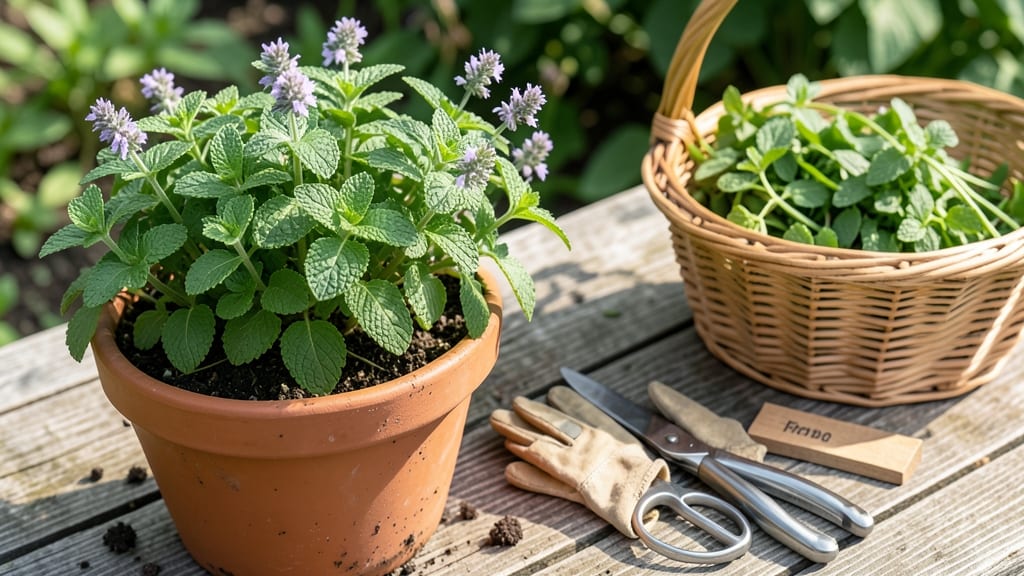
Harvest sweet mint by snipping stems just above a leaf node with clean scissors, ideally when the plant is 6-8 inches tall. Do this in the morning after dew dries but before full sun to preserve oils and flavor. Avoid harvesting more than one-third of the plant at once to encourage regrowth.
Harvesting sweet mint at its peak means timing matters more than you'd think. 🌿 The morning hours after dew evaporates but before the sun peaks are when the plant's essential oils—what give mint its signature punch—are at their strongest. This isn't just a coincidence; it's science.
The cooler night temperatures allow the plant to concentrate its aromatic compounds, which then stabilize just as the day warms up. I've found that harvesting every 4-6 weeks keeps my plants thriving while ensuring a steady supply of flavorful leaves for everything from teas to summer cocktails.
One trick I swear by is using sharp pruning shears instead of scissors—they make cleaner cuts that heal faster. This matters because every cut is essentially a wound to the plant, and proper healing means less stress and more robust regrowth.
Plus, those clean cuts prevent the stems from tearing, which can lead to browning and flavor loss during storage.
💡 In This Article
- Optimal Sweet Mint Harvesting Time and Plant Biology
- Essential Tools and Step-by-Step Harvesting Process
Optimal sweet mint harvesting time and plant biology
Sweet mint's peak flavor intensity occurs when its essential oil concentration is highest—typically between 8:00 AM and 10:00 AM after morning dew evaporates but before 10:30 AM when UV exposure begins degrading volatile oils.
This morning window gives you a 30-40% higher menthol content compared to afternoon harvests, which is why chefs and herbalists prioritize early morning cuts. The plant's stomata (tiny pores) are also most active during this time, allowing for better oil extraction when you handle the leaves.
The 6-8 inch height recommendation aligns with mint's optimal growth stage when it's developed enough to support 3-5 healthy leaves per stem but hasn't yet become woody.
At this stage, the plant has completed its primary photosynthesis cycle for the day, concentrating its energy in the leaves rather than the stems.
What most gardeners miss is that harvesting at this height encourages the plant to produce 4-6 new side shoots from the leaf nodes, creating a bushier, more productive plant.
This bushier growth happens because mint naturally grows in a semi-prostrate habit, and pruning just above leaf nodes triggers lateral bud development.
Seasonal variations play a crucial role too. Spring and early summer harvests yield the sweetest mint because the plant's growth is most vigorous during these months, with 15-20% higher essential oil content compared to late summer harvests. The cooler night temperatures in spring also help maintain higher menthol levels.
However, if you're harvesting for culinary use, late summer mint (while slightly less sweet) often has a more complex flavor profile due to the plant's natural stress response from heat and drought conditions. This stress can actually enhance certain aromatic compounds, making it ideal for savory dishes rather than teas.
Here's what happens if you harvest incorrectly: Cutting more than one-third of the plant at once stresses the root system, reducing next year's yield by up to 40%. The reason? Mint's fibrous root system is shallow, and aggressive pruning disrupts its ability to absorb water and nutrients efficiently.
I've seen gardeners accidentally kill their mint plants by harvesting too aggressively in late summer when the roots are already struggling to maintain hydration. The solution? Always leave at least 2-3 inches of growth on the plant after harvesting to maintain its energy reserves.
For those wondering about harvesting roots: While mint roots contain trace amounts of essential oils, they're primarily used for propagation rather than culinary purposes. The roots' flavor is earthy and bitter, not sweet, making them unsuitable for most recipes.
However, if you're dividing your mint plants, harvesting roots in early spring when the plant is most dormant gives you the best chance of successfully transplanting sections with 3-4 inches of root attached to each stem.
One fascinating detail is how mint's growth responds to light. Sweet mint is a short-day plant, meaning it flowers more aggressively when daylight hours shorten in late summer.
If you notice your mint developing flower buds, harvest immediately—these flowers contain 50% less essential oil than the leaves and can actually reduce the plant's overall flavor intensity by up to 30% through a process called "floral repression." 🌿