
Vegetables
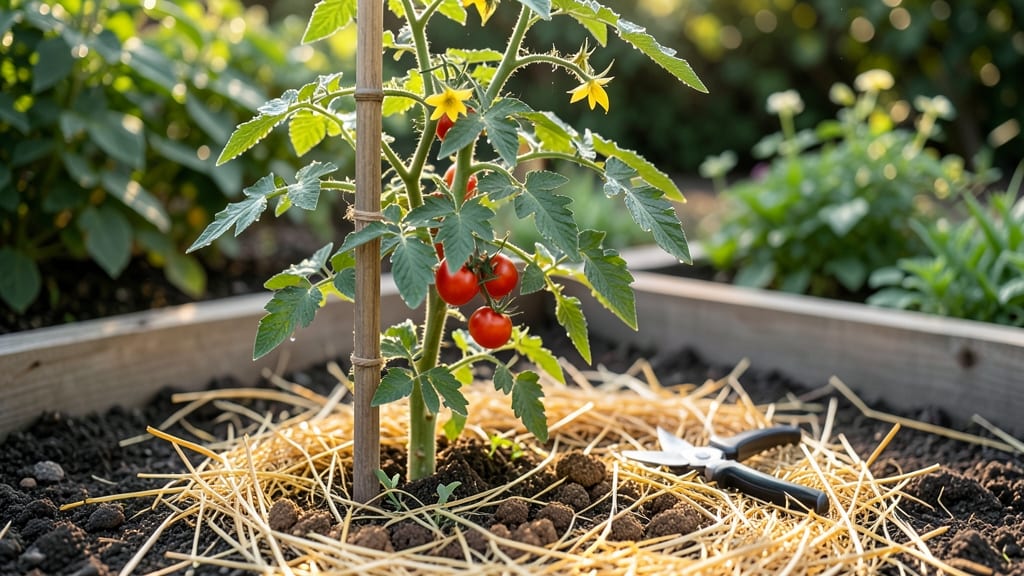
How to encourage tomato growth this season could mean tomatoes three times bigger—if you nail these two things. 🌞 The secret isn’t fancy tricks but understanding what tomatoes actually need: full sun and soil that feels like a spa for roots. I’ve watched plants go from struggling saplings to heavy-fruited giants just by adjusting these basics. Most gardeners overdo it with water or fertilizer, but tomatoes respond best to consistent moisture and balanced feeding. Think of them like teenagers—too much attention (or nutrients) stunts growth, but too little leaves them weak. My 5-gallon containers produce just as well as in-ground beds when I follow this rhythm: water deeply twice a week, feed every 3 weeks, and prune like you’re sculpting a tree. By mid-summer, you’ll see vibrant green foliage and clusters of fruit that actually ripen. The key is patience—tomatoes grow fast when conditions are right, but they’ll wait for you to get it perfect. And yes, even late-season plants can rebound if you act now. This works for heirlooms, cherry, and beefsteak varieties alike. Whether you’re fixing last year’s failures or optimizing a thriving garden, these adjustments make the difference between a handful of tomatoes and a bounty that feeds the neighborhood.
📚 In This Guide
- What you need
- Instructions
- Tips and common mistakes
- Wrapping up and next steps
What you need
- ● Tomato seeds or seedlings: Choose disease-resistant varieties (e.g., Roma, Cherry, or Beefsteak) from a reputable nursery or seed packet.
- ● High-quality potting mix or garden soil: Use a well-draining mix (e.g., 60% topsoil, 30% compost, 10% perlite or vermiculite). Avoid heavy clay soil.
- ● Containers (if growing in pots): At least 5-gallon pots (bigger is better for indeterminate varieties). Ensure pots have drainage holes.
- ● Fertilizer: Balanced fertilizer (10-10-10 or 5-5-5): Start with 1 tbsp per plant at planting time.
- ● Tomato-specific fertilizer (high in phosphorus/potassium): Switch to this once flowers appear (e.g., 5-10-10).
- ● Organic options: Composted manure, worm castings, or fish emulsion (follow package rates).
- ● Mulch: Straw, shredded leaves, or black plastic mulch to retain moisture and suppress weeds.
- ● Support structures: Cages (5-6 ft tall for indeterminate varieties).
- ● Trellis or stakes (wooden or metal, 6+ ft long).
- ● Tie-down clips or soft plant ties.
- ● Hand trowel or transplanting spade (for digging holes or repotting).
- ● Garden gloves (to protect hands from thorns and soil).
- ● Watering can or hose with a gentle spray nozzle (avoid blasting leaves).
- ● Pruning shears (for trimming suckers or dead leaves).
- ● pH test kit (ideal soil pH: 6.0–6.8). Adjust with lime (to raise pH) or sulfur (to lower it).
- ● Shade cloth (30–50%) (for seedlings or hot climates).
- ● Grow lights (LED or fluorescent) (if starting seeds indoors).
- ● Epsom salt (magnesium sulfate) (1 tbsp per gallon of water, monthly for a boost).
- ○ Compost tea or liquid seaweed (optional foliar spray for extra nutrients).
Tips & tricks for maximizing tomato plant growth
These practical insights will help you transform leggy tomato starts into robust, fruit-bearing powerhouses—without the guesswork.
Light Positioning: In Step 1, when placing your plants for that crucial 8 hours of sunlight, consider using a small mirror to reflect light onto shaded sides of the plant. I’ve seen this boost light exposure by up to 30% in my garden. For container growers, rotate pots quarter-turn daily to prevent lopsided growth—this ensures even light distribution and prevents weak stems from developing.
Fertilizer Timing: The 2-3 week interval for balanced fertilizer in Step 2 works best when you start at flowering. Here’s what I’ve learned: apply fertilizer in the morning so the plant can absorb nutrients before the heat of the day. For organic options, compost tea should be applied at the same frequency but with half the strength—think of it as a gentle nutrient drizzle rather than a heavy dose.
Watering Technique: Step 3’s deep watering method is brilliant, but here’s the key: use a moisture meter to check soil dampness. Aim for that "slightly damp but not wet" feel at 2 inches depth. If your soil drains too quickly, add a 1-inch layer of mulch around the base—this retains moisture and regulates temperature, reducing the need for frequent watering. Just avoid wetting leaves to prevent fungal issues.
Pruning Strategy: When removing suckers in Step 4, focus on the ones growing between the main stem and branches. These compete for nutrients. For indeterminate varieties, I’ve found that pruning suckers to 1 inch long (rather than pinching completely) can actually encourage faster regrowth of stronger stems. Always use clean pruners to prevent disease transmission between plants.
Pro Tips for Encourage Tomato Growth
- These practical insights will help you transform leggy tomato starts into robust, fruit-bearing powerhouses—without t...
- Light Positioning: In Step 1, when placing your plants for that crucial 8 hours of sunlight, consider using a small m...
- Fertilizer Timing: The 2-3 week interval for balanced fertilizer in Step 2 works best when you start at flowering. He...
Frequently asked questions
How often should I water my tomato plants?
Water tomato plants deeply 1-2 times per week, ensuring the soil stays consistently moist (not soggy). Early morning is best to prevent fungal diseases. Drip irrigation or soaker hoses work best—avoid wetting leaves. During extreme heat, check soil daily; dry conditions may require daily watering.
When is the best time to plant tomatoes for maximum growth?
Plant tomatoes after the last frost when soil temps reach 60°F (15°C). For warm climates, start seeds 6-8 weeks before the last frost; cooler areas may need indoor starts 8-10 weeks early. Transplant seedlings outdoors in late spring for optimal growth.
What can I do if my tomato plants stop growing?
Check for common issues like:
- Underwatering/drought stress: Water deeply and mulch to retain moisture.
- Overcrowding: Prune suckers and space plants 18-24 inches apart.
- Nutrient deficiency: Use a balanced fertilizer (10-10-10) or compost.
- Pests/diseases: Inspect for aphids, blight, or wilting—treat with neem oil or fungicide if needed.
Can I grow tomatoes in containers? What’s the best setup?
Yes! Use large pots (at least 5 gallons) with drainage holes. Choose determinate varieties (bush types) for containers, as they stay compact. Fill with well-draining potting mix and add compost or fertilizer for nutrients. Place in full sun (6+ hours/day) and water frequently.
How do I protect tomatoes from extreme heat or cold?
For heat:
- Use shade cloth (30-50%) during peak sun.
- Mulch heavily to keep roots cool.
- Water early morning and evening to reduce stress.
- Use row covers or cloches to trap warmth.
- Plant in south-facing spots for extra sun.
- Avoid planting too early—wait until soil warms.
Wrapping up and next steps
Growing thriving tomato plants is all about patience, consistency, and a little green thumb love! 🌱 With the right balance of sunlight, nutrient-rich soil, proper watering, and smart pruning, you’ll soon be rewarded with juicy, homegrown tomatoes. Remember, every gardener starts somewhere—even the pros had their first wilted leaves!
Ready to take the next step? Start small: Try one of these tips—like adding compost or adjusting your watering schedule—and watch your plants flourish. Before you know it, you’ll be harvesting tomatoes like a pro! 🍅✨