
How To
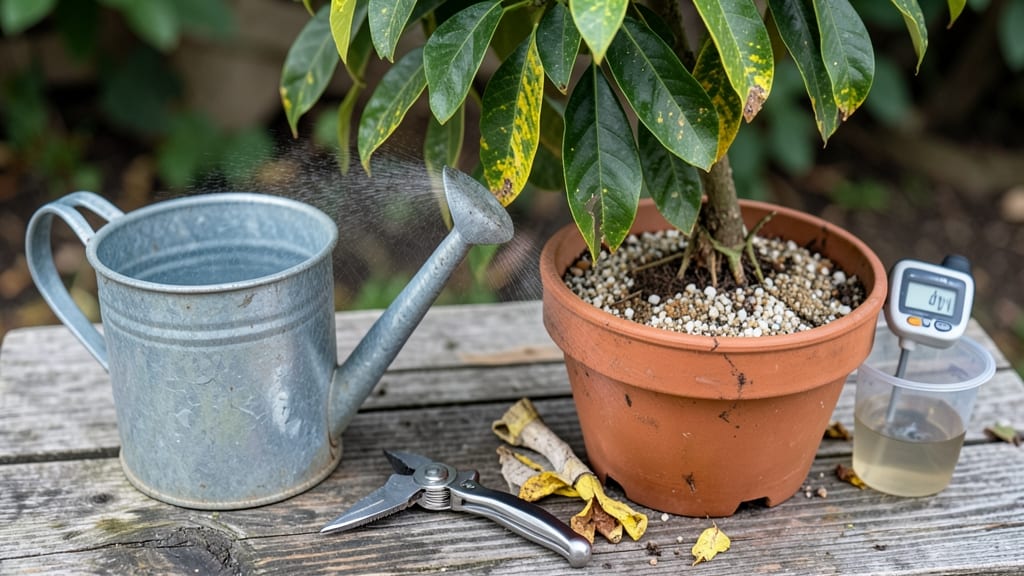
How to fix an overwatered avocado plant—drooping leaves aren’t a death sentence, just a cry for help. 🌱 I’ve nursed back more overwatered avocados than I’d like to admit, and the key is acting fast before root rot sets in. The moment you see yellowing leaves or soil that smells sour, it’s time to intervene before the roots suffocate.
Start by checking the roots: healthy ones are firm and white, while rotten ones are mushy and brown. If you see rot, trim the affected areas with sterilized scissors, then repot in fresh, well-draining soil with perlite or sand.
The goal is to give those roots room to breathe—literally. After repotting, water lightly and wait until the top inch of soil is dry before watering again.
Within 2-3 weeks, you’ll see new green growth if the roots are salvageable. Keep the soil slightly moist but never soggy, and place your tree in bright, indirect light. The recovery isn’t instant, but with patience, your avocado can bounce back—sometimes even stronger than before.
Here’s the secret weapon: a moisture meter or your finger. Stick it an inch deep—if it’s damp, wait. If it’s dry, water just enough to moisten the soil. Overwatering is a habit, not a one-time mistake, so adjust your routine now. Your tree’s future depends on it.
Root Causes Of Overwatering
Overwatering your avocado plant isn’t just a gardening mistake—it’s a silent killer that suffocates roots and starves your tree of oxygen. Understanding why this happens is the first step to preventing it. Below, we break down the science-backed reasons your avocado plant might be drowning in its own pot.
Avocado trees (Persea americana) are tropical natives, but they hate soggy feet. If your pot lacks drainage holes or uses heavy, compacted soil, water pools at the bottom instead of draining away. This creates an anaerobic (oxygen-free) environment, where roots suffocate and harmful microbes thrive.
- Science behind it: Roots need 10-15% oxygen to respire. When soil stays waterlogged, oxygen levels drop to <1%, triggering root rot caused by Phytophthora and Pythium fungi.
- Actionable clue: If water sits in the saucer for more than 30 minutes after watering, your drainage is failing.
Avocado plants are drought-tolerant once established, yet many gardeners water on a strict schedule—even when the soil isn’t dry. Overwatering disrupts the plant’s natural hydration cycle, leading to:
- Salinity buildup: Excess water flushes nutrients but leaves behind sodium and chloride, which burn root cells.
- Root suffocation: Healthy roots grow in aerated soil. Constant moisture forces them to "breathe through" oxygen-depleted zones.
Pro tip: Stick your finger 2-3 inches deep into the soil. If it’s damp, wait. Avocados prefer the "topsoil dry, subsoil moist" method.
Small pots dry out faster, but oversized containers trap moisture longer. Clay pots "breathe," but plastic pots act like a greenhouse, slowing evaporation and keeping roots damp for days.
| Pot Type | Risk Level | Why? |
|---|---|---|
| Plastic (5+ gallons) | ⚠️ High | Poor air circulation; water evaporates slowly. |
| Terracotta (small) | ✅ Low | Porous material wicks away excess moisture. |
| Fabric grow bags | ✅ Moderate | Breathable but may dry too fast if not monitored. |
Fix: Upgrade to a pot with 1-2 inches of space between roots and rim, and ensure it’s terracotta or perforated.
Avocados thrive in well-draining, slightly acidic (pH 6.0-7.0) soil. Heavy, clay-based mixes or potting soils with high peat content retain moisture like a sponge, choking roots.
- Bad mix: 100% peat moss or garden soil → holds water for weeks.
- Good mix: 60% cactus/succulent mix + 30% perlite + 10% compost → drains in 24 hours.
Test your soil: Grab a handful. If it stays in a ball when squeezed, it’s too dense. If it crumbles instantly, it’s ideal.
Avocados love warmth (70-85°F) and moderate humidity (40-60%). In cooler climates or humid basements, soil stays damp longer because:
- Evaporation slows: Cold air reduces water loss from the soil surface.
- Fungal growth spikes: Rhizoctonia thrives in <60°F soil, attacking weakened roots.
Solution: Move your plant near a south-facing window or use a grow light to maintain ideal temps. If humidity exceeds 70%, reduce watering by 30%.
Revive Your Avocado Tree Now
Overwatering can feel like a death sentence for your avocado plant, but with the right steps, you can nurse it back to health—sometimes even saving it from the brink. The key is acting fast, diagnosing the root of the problem (literally and figuratively), and implementing targeted fixes.
Below, we’ll map out practical solutions for each common cause of overwatering, along with prevention tips to keep your plant thriving long-term.
Cause: Excess moisture suffocates roots, leading to rot. Fix:
- Pause all watering for at least 3–5 days to let the soil dry out. If the pot feels heavy or soggy, extend this to a full week.
- Check moisture levels by sticking your finger 2 inches deep into the soil. If it’s damp, wait longer.
- Pro Tip: 💡 If your plant is in a pot, consider removing it from its saucer to prevent water from pooling at the bottom.
Cause: Rotten roots can’t absorb nutrients, even if you stop watering. Fix:
- Gently remove the plant from its pot (if possible) and inspect the roots. Healthy roots are firm and white; mushy or black roots are rotting.
- Trim damaged roots with sterilized scissors (wipe with rubbing alcohol between cuts). Snip off any soft, discolored, or slimy sections.
- Rinse the roots lightly with water to remove excess soil, then let them air-dry for 1–2 hours before repotting.
Cause: Compacted or waterlogged soil traps moisture, worsening rot. Fix:
- Choose a pot with drainage holes (if repotting). If your current pot lacks them, drill holes in the bottom.
- Use a well-draining mix: Combine 60% potting soil, 30% perlite or pumice, and 10% compost. Avoid garden soil—it compacts and holds too much water.
- Repot carefully, ensuring the root ball sits 1 inch below the pot’s rim for stability. Pat the soil lightly to remove air pockets but don’t compact it.
Cause: Overzealous watering or poor timing leads to soggy soil. Fix:
- Water only when the top 2 inches of soil are dry. Stick to a schedule like this:
- Spring/Fall: Every 7–10 days (less in cooler months).
- Summer: Every 5–7 days (more frequent but shallower).
- Winter: Every 2–3 weeks (growth slows, so water less).
- Water deeply but infrequently: Aim for 1–2 cups per watering (adjust based on pot size) and let excess drain completely. Never let the plant sit in water.
- Pro Tip: 🌡️ Test soil moisture with a moisture meter or chopstick—if it’s damp after 24 hours, you’re overwatering.
Cause: Poor light or stagnant air slows recovery. Fix:
- Move to bright, indirect light (e.g., near a south- or west-facing window). Avocados need 6+ hours of light daily but can scorch in direct sun.
- Increase airflow by placing a small fan nearby (on low) or opening windows. This helps roots dry faster and prevents fungal growth.
- Avoid cold drafts (like AC vents) or extreme heat, which stress the plant further.
Cause: Overwatering flushes out nutrients, but too much fertilizer can burn weakened roots. Fix:
- Wait 4–6 weeks before fertilizing to let the plant recover.
- Use a balanced, diluted fertilizer (e.g., 10-10-10 or 20-20-20) at half-strength. Avocados prefer less fertilizer than most houseplants.
- Opt for organic options like fish emulsion or compost tea for a gentler boost.
- Pro Tip: ✨ Hold off on fertilizing if the plant still looks weak—focus on recovery first.
Cause: Without progress, you might assume it’s too late. Fix:
- Watch for these signs of improvement in 2–4 weeks:
- New growth at the stem tips.
- Leaves that stop yellowing and start regaining color.
- Soil that stays dry longer between waterings.
- If no improvement after 4 weeks, the plant may be beyond saving. However, most avocados bounce back with patience!
Once your avocado is back on track, prevent relapse with these habits:
- Upgrade your pot: Use terracotta or fabric pots (they dry faster than plastic).
- Group plants together: Creates a microclimate with more stable humidity.
- Use a self-watering system cautiously: These can over-saturate soil—always monitor manually.
- Mulch lightly: Add a thin layer of bark mulch to retain just enough moisture without suffocating roots.
- Rotate your plant: Ensures even light exposure, reducing stress spots.
Remember: 💪 Patience is key—avocado trees are resilient but need time to recover. With these steps, your plant can go from soggy and sad to strong and leafy in no time!
Frequently asked questions
How do I know if my avocado plant has root rot from overwatering?
Check the roots carefully—healthy roots are firm and white, while rotten roots are mushy, black, or smell foul. If you see yellowing leaves or the soil stays soggy for days, these are red flags. Gently remove the plant from its pot to inspect the roots without damaging them further.
Can I save an avocado plant if the leaves are completely brown and crispy?
It depends on how much of the plant is affected. If only the outer leaves are brown but the stem is still firm, there’s hope! Trim the damaged leaves and check the roots. If they’re mostly healthy, repot in fresh soil and adjust your watering routine. If the entire plant is brown and mushy, it may be too late.
How often should I water my avocado plant after fixing overwatering?
Wait until the top 2 inches of soil are completely dry before watering again. In summer, this might be every 5-7 days, while winter watering can stretch to 2-3 weeks. Always let excess water drain away—avocados hate soggy roots!
What’s the best soil mix to prevent future overwatering?
Use a blend of 60% cactus/succulent mix, 30% perlite or pumice, and 10% compost. This creates excellent drainage while still providing nutrients. Avoid heavy garden soil—it compacts and holds too much moisture, repeating the overwatering cycle.
Will my avocado plant ever recover if I’ve had it for years and just noticed the problem?
Even long-established avocados can recover with proper care! The key is acting fast—trim any rotten roots, repot in fresh soil, and adjust your watering habits immediately. With patience and consistent care, many "hopeless" cases bounce back within 2-4 weeks of proper treatment.