
How To
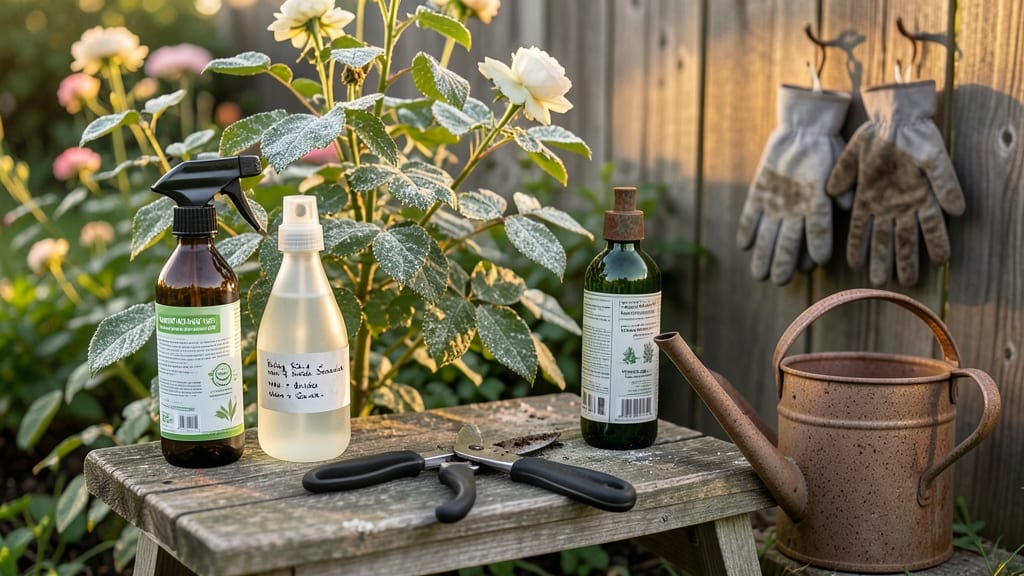
That white, dusty film on your leaves isn’t just unsightly—it’s stealing your plants’ energy. ✨ I’ve battled powdery mildew on roses, cucumbers, and even my prized basil, and I’ll show you how to fix powdery mildew on plants with a simple, organic spray that works within 24 hours.
No harsh chemicals needed—just a few ingredients you might already have at home.
The problem starts with poor air circulation, damp leaves, or stressed plants, but the good news is that this fungal issue responds quickly to the right treatment. My go-to mix combines baking soda, dish soap, and water for a non-toxic solution that smothers spores without harming beneficial insects.
The key is applying it at the right time—early morning or evening when humidity is lower.
By the next day, you’ll see the white coating fade, and within a week, your plants will bounce back with vibrant green leaves and renewed growth. The spray doesn’t just stop the spread—it strengthens your plants’ defenses so they’re less likely to get infected again.
Best of all, it’s safe to use on edibles like herbs and vegetables.
This method works for roses, cucumbers, squash, and even houseplants, but the timing matters. Act fast, and you’ll save your garden before the mildew takes over. Let’s get those leaves sparkling clean again—your plants will thank you.
The Hidden Triggers Behind Mildew
Powdery mildew isn’t just a random nuisance—it’s a fungal party crashers that thrives when conditions are just right. Understanding why it strikes helps you stop it before it takes over your garden. Let’s break down the science behind its sneaky invasion.
The fungus Erysiphe (the usual culprit) loves humidity but hates airflow. When plants are crowded or shaded, moisture lingers like a damp blanket, giving spores the perfect environment to germinate.
- Why it happens: Stagnant air traps humidity near leaves, raising leaf surface moisture to ideal fungal levels (70–100% relative humidity).
- Actionable clue: Check for dense foliage, overgrown branches, or mulch piled too close to stems—these are mildew’s favorite hiding spots.
- Pro tip: 💡 Prune plants to improve airflow, especially in containers or greenhouses where air stalls.
Watering at the wrong time or overdoing it turns leaves into soggy fungal buffets. The fungus needs free water on leaf surfaces to infect—think of it like a fungal smoothie.
- Why it happens: Water droplets on leaves (especially in the evening) create a high-humidity microclimate. The fungus releases spores that germinate within 4–6 hours of moisture.
- Actionable clue: Look for water stains on leaves or soil that stays damp for days—signs you’re watering too much.
- Pro tip: 🌡️ Water early in the day so leaves dry by sunset, and avoid overhead sprinklers.
Plants low in nitrogen or phosphorus can’t fight off invaders. Mildew exploits stressed plants like a thief in the night.
- Why it happens: Nitrogen deficiency (yellowing leaves) or phosphorus deficiency (purple stems) weakens the cuticle (the plant’s protective waxy layer), making it easier for spores to latch on.
- Actionable clue: Check for slow growth, yellowing lower leaves, or dark spots on stems—classic signs of nutrient stress.
- Pro tip: ✨ Boost nitrogen with compost tea or a balanced fertilizer (10-10-10) to strengthen plant immunity.
This fungus thrives in moderate temperatures—not too hot, not too cold. Think of it as a fungal Goldilocks.
- Why it happens: Ideal conditions: 60–80°F (15–27°C) daytime temps with cool nights (50–60°F / 10–15°C). The temperature drop slows leaf drying, keeping moisture trapped.
- Actionable clue: Mildew often flares in spring or fall when days warm but nights stay chilly.
- Pro tip: 🎯 Use shade cloth in peak sun to reduce leaf stress, or mulch to moderate soil temps.
Key takeaway: Powdery mildew doesn’t appear out of nowhere—it’s a chain reaction of poor airflow, overwatering, weak plants, and just-right temps. Spot these red flags early, and you’ll catch it before it spreads like wildfire.
Quick Fixes for Powdery Mildew
Powdery mildew might seem like a stubborn foe, but with the right approach, you can banish it fast and keep your plants thriving. Below, we’ve broken down targeted solutions based on the most common causes—whether it’s humidity, poor airflow, or weak plant health.
Each method is easy to execute, even for beginners, and includes prevention tips to stop it from creeping back.
Problem: Cramped plants trap moisture, creating the perfect mildew buffet.
How to Fix It:
- Prune aggressively 🔪 – Trim back overgrown branches, leaves, or stems to improve airflow. Focus on dense foliage like roses, grapes, or squash.
- Space plants wider 📏 – Give them at least 12–18 inches between neighbors (check plant tags for ideal spacing).
- Stake tall plants 🌱 – Use tomato cages or bamboo stakes to keep vines upright instead of sprawling on the ground.
Prevention Tip: 💡 After pruning, sterilize shears with rubbing alcohol to avoid spreading spores.
Problem: Too much moisture—from watering, dew, or soggy soil—fuels mildew.
How to Fix It:
- Water at the base 💧 – Avoid overhead watering (especially in the evening). Use a soaker hose or drip irrigation to keep leaves dry.
- Water early in the day ⏰ – This gives foliage time to dry before nighttime humidity spikes.
- Improve drainage 🏗️ – If pots lack holes, add a layer of gravel or perlite at the bottom. For garden beds, amend soil with compost or sand.
- Use a fan 🌬️ – Place a small fan nearby (on low) to circulate air around houseplants or greenhouse crops.
Prevention Tip: ✨ Mulch around plants with straw or wood chips to regulate soil moisture—just keep it 2–3 inches away from stems.
Problem: Mildew has already taken hold, and you need a non-toxic knockout punch.
How to Fix It:
| Spray | How to Use | Frequency |
|---|---|---|
| Baking soda spray | Mix 1 tsp baking soda + 1 tbsp oil + 1 gallon water. Spray both sides of leaves. | Every 5–7 days until cleared. |
| Neem oil solution | Combine 1 tbsp neem oil + 1 tsp mild soap + 1 quart water. Shake well. | 2–3 times, 7 days apart. |
| Milk spray | Use 1 part milk to 9 parts water (raw or pasteurized works). Spray lightly. | Weekly for 3–4 weeks. |
| Hydrogen peroxide | Mix 1 tbsp 3% H₂O₂ + 1 quart water. Spray only on affected areas. | Once a week until gone. |
Pro Tip: 🌡️ Spray in the early morning so leaves dry quickly—avoid late applications that trap moisture.
Problem: Weak or stressed plants are mildew magnets.
How to Fix It:
- Fertilize lightly 🌱 – Use a balanced organic fertilizer (like fish emulsion or compost tea) to boost health. Avoid nitrogen-heavy feeds—they promote soft, mildew-loving growth.
- Rotate crops 🔄 – If mildew is recurring, don’t replant the same family (e.g., cucumbers after squash) in the same spot for 2–3 years.
- Choose resistant varieties 🌿 – Opt for mildew-resistant plants like:
- Vegetables: ‘Liberty’ zucchini, ‘Regal’ spinach.
- Flowers: ‘Blizzard’ lilac, ‘Oregon Trail’ peony.
- Fruits: ‘Fireblight-resistant’ apples, ‘Powdery mildew-free’ grapes.
Prevention Tip: 💪 Hardened-off seedlings (acclimated to outdoor conditions) are tougher against mildew than tender starts.
If mildew covers more than 50% of the plant or keeps returning:
- Isolate the plant 🛑 – Move it away from others to prevent spread.
- Remove heavily infected leaves 🗑️ – Snip off yellowed or white-powdered foliage below the mildew line.
- Apply a fungicide last resort 💊 – If organics fail, use copper fungicide (follow label rates) or potassium bicarbonate spray.
Warning: ⚠️ Avoid chemical fungicides like sulfur near edible plants—stick to organics for harvest safety.
Keep mildew from staging a comeback with these low-effort habits:
- [ ] Clean up debris 🧹 – Remove fallen leaves, spent blooms, and weeds weekly.
- [ ] Disinfect tools 🧼 – Wipe pruners with rubbing alcohol between uses.
- [ ] Space for sunlight ☀️ – Ensure plants get 6+ hours of direct sun (mildew loves shade).
- [ ] Monitor humidity 🌡️ – Use a hygrometer to keep indoor plants below 60% humidity.
- [ ] Test your water 💧 – If it’s hard or alkaline, use rainwater or distilled water for sensitive plants.
Final Thought: 🎯 Powdery mildew is beatable—it’s all about cutting off its food source (moisture) and starving it of space. Start with one or two fixes from above, and you’ll see improvement in 3–7 days.
For stubborn cases, combine pruning + neem oil + airflow tweaks for a 1-2-3 punch.
Frequently asked questions
Can I use vinegar to treat powdery mildew?
While vinegar can help in some cases, it’s not the best choice for powdery mildew. The acidity might kill some spores, but it can also harm your plants if used too strongly. Instead, opt for a 1% hydrogen peroxide solution (1 tbsp per quart of water) or a baking soda spray, which are gentler and more effective. Always test on a small leaf first.
How often should I apply the spray to stop mildew?
For most organic sprays like neem oil or baking soda, apply every 5–7 days until the mildew disappears. Once your plants are clear, switch to a preventive schedule—every 2–3 weeks during humid seasons. Early morning applications work best, as leaves have time to dry before evening humidity sets in.
Will pruning alone fix powdery mildew?
Pruning helps by improving airflow, but it’s not a standalone solution. If mildew is already present, combine pruning with a fungicide spray (like neem oil) and adjust watering habits. Focus on removing only the most infected leaves—don’t over-prune, as this stresses the plant further. Think of it as part of a 3-step defense: prune, spray, and prevent moisture buildup.
Can I save a plant that’s completely covered in mildew?
It depends on how severe the infection is. If more than 50% of the plant is affected, isolate it immediately and remove all heavily infected leaves. For stubborn cases, a copper fungicide (used carefully) or a potassium bicarbonate spray can help. If the plant is a prized variety, consider treating it as a last resort—sometimes it’s better to replace severely infected plants to protect your garden.
Does powdery mildew spread to other plants?
Yes, it spreads quickly through spores carried by wind, water, or even garden tools. To prevent cross-contamination, sterilize pruners with rubbing alcohol between plants, avoid overhead watering, and remove infected leaves promptly. Keep newly treated plants 3 feet away from healthy ones until the mildew is fully gone. Quarantine new plants for a few days to spot early signs.