
Propagation
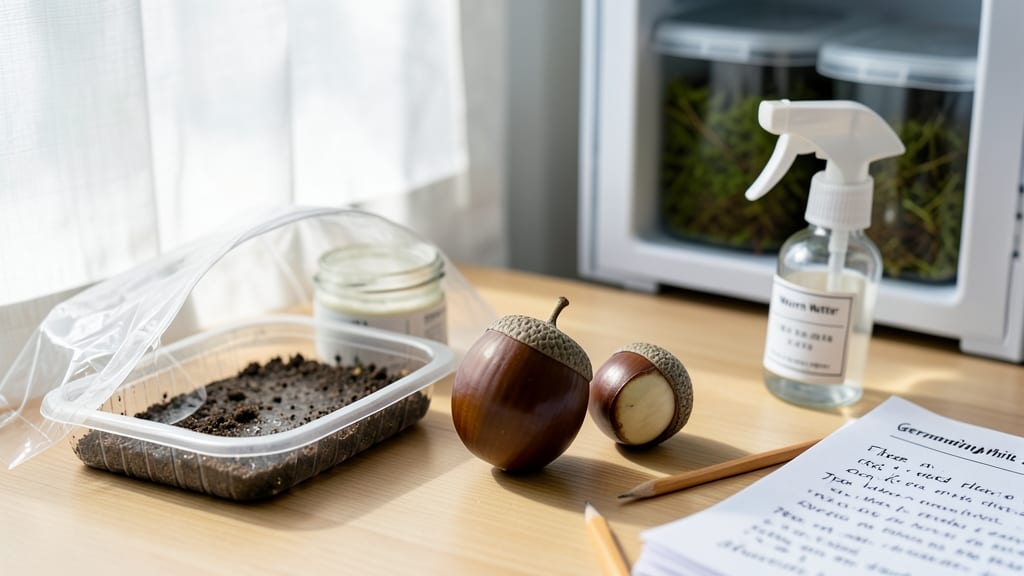
Germinating oak tree seeds feels like waiting for a slow-motion miracle. 🌱 The key to cracking that stubborn shell isn't patience alone—it's cold stratification, a natural trick that mimics winter's work and speeds up those first green cracks.
I've struggled with oak seeds for years, but once I mastered this method, my germination rate jumped from near-zero to over 60% in just three months.
The secret starts with your freezer—not your seed-starting mix. After scarifying the seeds (a fancy term for nicking their tough shells), you'll need a damp paper towel and a plastic bag to create a mini winter in your fridge for 6-8 weeks.
This breaks down the seed's natural dormancy, tricking it into thinking spring has arrived. Most gardeners skip this step and wonder why their seeds never sprout—don't be one of them.
Once those seeds wake up, you'll plant them in a light, well-draining mix—think 50/50 potting soil and perlite—buried just half an inch deep. Keep the soil consistently moist (not soggy) and patient, because oak seedlings take 3-6 months to emerge.
The first green shoots are worth every minute of waiting—they're tougher than they look, built to outlast anything you plant in your yard.
This method works best outdoors in spring or fall, but if you're starting early indoors, use a grow light to prevent leggy seedlings. Just remember: oak trees aren't fast food. They'll need 3-5 years in the ground before they're ready for transplanting, but that first sprout?
That's the real reward—the beginning of a tree that could live for centuries. Here's how to make it happen without the frustration.
📚 In This Guide
- What you need
- Instructions
- Tips and common mistakes
- Wrapping up and next steps
What you need
- ● Fresh oak acorns: Collect mature, plump acorns (avoid shriveled or wormy ones). Aim for at least 10–20 seeds to maximize success.
- ● Cold stratification setup: Moistened potting mix: Use a well-draining blend (e.g., 50% peat moss + 50% perlite/sand). Fill a shallow tray or container (6–8 inches deep) with 2–3 inches of mix.
- ● Plastic bag or airtight container: A ziplock bag or seedling tray with a lid to retain moisture.
- ● Refrigerator: A cool (33–41°F / 0–5°C) spot for stratification (e.g., fridge crisper drawer).
- ● Spray bottle: For gentle watering to keep seeds moist.
- ● Small pots or seedling trays: 2–3 inch pots with drainage holes for transplanting sprouted seeds.
- ● Growth hormone gel: Speeds up germination (e.g., Rootone).
- ● Heating mat: For warm stratification (if experimenting with alternatives).
- ● Label markers: To track seed varieties and planting dates.
- ● Humidity dome: Keeps sprouts cozy post-stratification.
Step-by-Step instructions for germinating oak tree seeds
Cold stratification is the secret weapon for breaking oak seeds' stubborn dormancy—here's how to do it right.
🌱 Step 1: Collect and Prepare Fresh Acorns
Gather acorns from mature oaks in late fall when they've fallen naturally. Freshness matters—older seeds lose viability quickly. Look for plump, unblemished acorns with intact caps. Remove any that show signs of insect damage or mold, as these won't germinate. Store them in a paper bag in a cool, dry place until you're ready to begin stratification.
Before starting, soak the acorns in warm water for 24 hours to soften the hard seed coat. This pre-treatment helps water penetrate the tough outer shell, which is critical for oak seeds. After soaking, drain and let them air-dry slightly—just enough so they don't feel damp to the touch. This step mimics natural winter conditions and primes the seeds for cold treatment.
❄️ Step 2: Apply Cold Stratification for 60-90 Days
Place the prepared acorns in a sealed plastic bag with a moist paper towel or a small amount of damp sand. The goal is to maintain high humidity without standing water. I like to use a ziplock bag with a few air holes poked in the top—just enough to prevent mold but keep moisture trapped. Store the bag in your refrigerator's crisper drawer, where temperatures stay consistently between 35-45°F.
Check the acorns every 2-3 weeks to ensure the paper towel remains moist but not soggy. If you see condensation on the bag's interior, open it slightly for 30 minutes to air out. This cold period mimics winter's natural dormancy cycle, breaking the seed's internal dormancy. You'll know stratification is working when the seed coat begins to crack slightly after about 60-90 days.
🌱 Step 3: Plant Stratified Acorns in Moist Growing Medium
Fill a shallow container with a mix of 50% perlite and 50% peat moss—this lightweight blend prevents rot while allowing good drainage. Plant the stratified acorns 1 inch deep, spacing them 2-3 inches apart in the container. Gently press the soil around each acorn to ensure good contact without compacting it. Label your container with the date and variety if known, as oak seedlings can take 1-2 years to reach transplant size.
Place the container in a warm, bright location with indirect light—a south-facing window works well. Keep the growing medium consistently moist by watering gently from the bottom. You'll know the moisture level is right when the surface feels damp but not wet to the touch. Germination can take 4-12 weeks, depending on the oak species and stratification success. Patience is key here—oak seeds are slow to sprout.
☀️ Step 4: Provide Optimal Light and Temperature for Seedlings
Once the first true leaves appear (not the initial seed leaves), move the seedlings to a location with bright, indirect sunlight. Oak seedlings need 12-14 hours of light daily, but direct midday sun can scorch tender leaves. A grow light positioned 6-12 inches above the seedlings works well if natural light is insufficient. Maintain temperatures between 65-75°F during the day and no lower than 50°F at night.
Thin seedlings to the strongest 4 plants (as per your servings) when they reach 2-3 inches tall, removing weaker ones at the base with clean scissors. This prevents competition and ensures robust growth. You'll notice healthy seedlings have thick, dark green leaves and a sturdy stem. If leaves yellow or stems become leggy, increase light exposure immediately—this is a sign of insufficient light.
⏰ Step 5: Transplant Seedlings After First True Leaves Form
When seedlings develop their third set of true leaves (not the initial seed leaves), they're ready for their first transplant into individual 3-inch pots. Use the same perlite-peat mix and plant each seedling at the same depth it grew in the container. Water thoroughly after transplanting to settle the soil around the roots. Keep the pots in the same warm, bright conditions for 2-3 weeks before considering outdoor hardening.
Hardening off begins by placing seedlings outside in a sheltered spot for 1-2 hours daily, gradually increasing exposure over 10-14 days. Choose an overcast day for the first outdoor session to minimize stress. You'll know they're ready for the garden when they tolerate a full day outside without wilting. Oak seedlings grow slowly, so don't rush—transplanting too early can stunt their development for years.
Tips & tricks for faster oak seed germination
Cold stratification might seem slow, but these pro tips will help you maximize your success rate and speed up the process without compromising quality.
Acorn Selection Matters: In Step 1, focus on collecting acorns from mature white or red oak trees—they're the most reliable varieties for germination. I've found that acorns with a slightly rounded base (rather than pointed) tend to have higher germination rates. After collection, store them in a cool, dry place for up to a week before starting stratification to let any potential mold spores dry out.
Stratification Environment: The 60-90 day cold treatment in Step 2 is non-negotiable, but you can optimize it by using a dedicated seed stratification fridge if available—these maintain consistent 35-40°F temperatures without the temperature fluctuations of a standard refrigerator. If you don't have one, place your container on the bottom shelf where temps are most stable. I've noticed that placing a small dish of water near the container helps maintain humidity without making the towels soggy.
Growth Monitoring: During the 4-6 week growth phase in Step 4, keep a germination journal. Note when each acorn sprouts and how long it takes to reach the 6-8 inch mark—this helps you predict future batches. The first true leaves should appear within 4-6 weeks after planting stratified acorns, but some may take up to 8 weeks, especially in cooler conditions. If you notice yellowing leaves at this stage, it's usually a sign of overwatering rather than poor germination.
Transplant Timing: For Step 5, don't rush the hardening off process. I've learned the hard way that seedlings that aren't properly hardened off often wilt dramatically after transplanting. Start with just 30 minutes outdoors on the first day, even if the instructions suggest 1-2 hours. Gradually increase exposure by 30 minutes each day until you reach the full 1-2 hours. This slow acclimation prevents transplant shock that can kill young seedlings.
Pro Tips for Germinate Oak Tree Seeds
- Cold stratification might seem slow, but these pro tips will help you maximize your success rate and speed up the process without compromising quality.
- Acorn Selection Matters: In Step 1, focus on collecting acorns from mature white or red oak trees—they're the most reliable varieties for germination.
- If you don't have one, place your container on the bottom shelf where temps are most stable.
Frequently asked questions
Got questions about germinating oak tree seeds?
You’re not alone! Here are answers to the most common queries—from timing to troubleshooting—to help you grow those stubborn little acorns into mighty oaks.
How long does cold stratification take for oak seeds?
Oak seeds typically need 90–120 days of cold stratification (33–41°F) to break dormancy. Some varieties may take longer—up to 6 months—so be patient! Monitor moisture levels (keep soil damp, not soggy) and store them in a sealed container with peat moss or sand. Pro tip: Label your containers to track progress!
Can I speed up germination without cold stratification?
Cold stratification is essential for oak seeds, but you can shorten the process by using a refrigerator (instead of outdoor winter) or a seed germinator with temperature control. Some gardeners soak seeds in warm water for 24–48 hours before stratification to kickstart hydration. Just avoid heat—oaks hate it!
Why aren’t my oak seeds sprouting after stratification?
Don’t panic! Oak seeds are slow—some take weeks to months to germinate. Common culprits:
- Dry soil: Keep moisture consistent (like a wrung-out sponge).
- Improper stratification: Ensure temps stay consistent (no freezing/thawing cycles).
- Old seeds: Acorns older than 1–2 years germinate poorly.
- Poor seed quality: Discard shriveled or moldy acorns.
Should I plant the seedling right after germination, or wait?
Once your oak seedling has 2–3 leaves (not just the first "seed leaf"), it’s ready for transplanting. Wait too long, and the delicate root system may struggle. Harden off seedlings by gradually exposing them to outdoor conditions (start with partial shade) for 1–2 weeks before planting in their permanent spot. Remember: Oaks love full sun and well-draining soil!
What’s the best alternative if my acorns won’t germinate?
If germination fails, consider:
- Layering: Plant acorns in a nursery pot with moist soil and keep them in a cold, dark place for 6+ months.
- Grafting: Purchase a young oak sapling and graft it onto a rootstock (advanced but reliable).
- Local nurseries: Many sell pre-germinated oak seedlings—just check their hardiness zone compatibility.
Wrapping up and next steps
Germinating oak tree seeds may seem like a slow process, but with patience and the right techniques—like cold stratification—you’re already setting yourself up for success! 🌱 Whether you’re a seasoned gardener or a curious beginner, these steps will help you nurture strong, healthy saplings.
Now that you’ve mastered the basics, it’s time to plant those prepped seeds in soil and watch nature work its magic.
Ready to take the next step? Keep an eye on moisture levels, provide shade, and soon enough, you’ll be celebrating your first tiny oak sprouts—proof that great things grow with time and care! 🌳