
Propagation
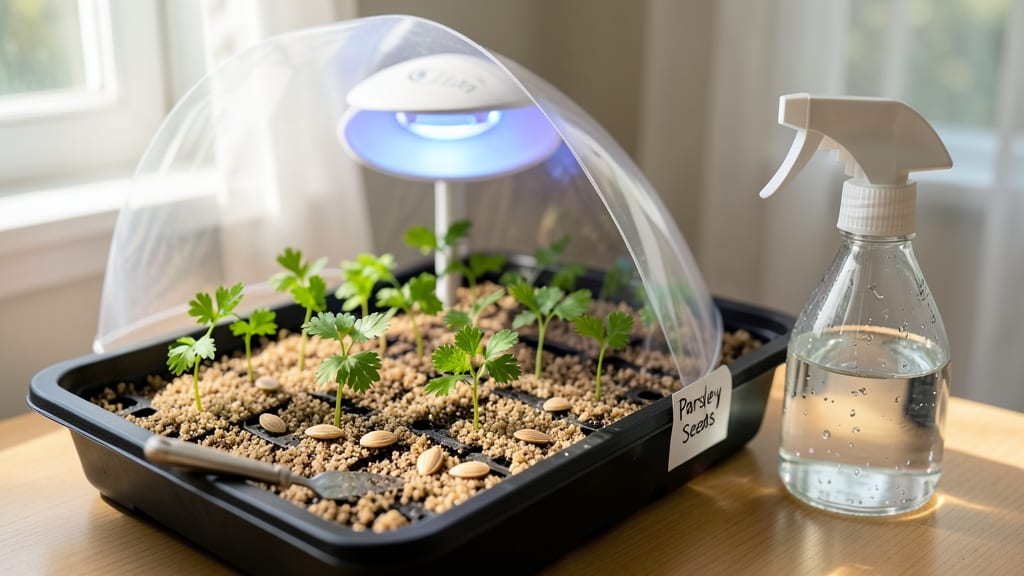
How to germinate parsley seeds quickly feels like waiting for a snail race—until you learn this speed-soak trick. 🌱 I’ve struggled with slow parsley sprouts for years, but this method cuts germination time from weeks to just 3-5 days with the right prep.
The secret? A simple pre-soak in warm water for 12 hours before planting, paired with damp paper towels to kickstart the seeds. Too many gardeners rush this step, but parsley needs patience—especially with its tough outer shell. Warmth and consistent moisture are non-negotiable.
By day 5, you’ll see tiny green hooks breaking through the soil, ready to transplant. The seedlings stay sturdy and disease-free when you avoid overwatering (parsley hates soggy roots). This method works for curly and flat-leaf varieties alike.
Perfect for indoor windowsills or early spring starts—no more waiting months for parsley to finally sprout. Here’s how to do it right the first time.
📚 In This Guide
- What you need
- Instructions
- Tips and common mistakes
- Wrapping up and next steps
What you need
- ● Parsley seeds: 1 packet (flat-leaf or curly—your choice! Aim for organic, non-GMO seeds for best results).
- ● Water: 2 cups of room-temperature or lukewarm water (chlorine-free if possible).
- ● Container: A small bowl, glass, or jar with a lid (8–12 oz capacity).
- ● Paper towels or coffee filters: 2–3 sheets (cut to fit your container).
- ● Plastic wrap or damp cloth: To cover the container and retain moisture.
- ○ Spray bottle (optional but helpful): For gentle misting if needed.
- ● Planting pots or trays: Small containers (2–3 inches deep) with drainage holes, or a seed-starting tray.
- ● Potting mix: A lightweight, well-draining seed-starting mix (avoid garden soil—it’s too dense!).
- ● Grow lights or sunny windowsill: A spot with 6–8 hours of indirect light daily (or a grow light for faster growth).
- ● Seedling heat mat: Speeds up germination if you’re impatient (set to 70–75°F).
- ● Humidity dome: Keeps moisture locked in for fuss-free sprouting.
- ● Fertilizer: A balanced, water-soluble fertilizer (diluted to half-strength) for post-germination boost.
- ● Label markers: To track planting dates (parsley can take 2–3 weeks to sprout!).
Step-by-Step instructions for germinating parsley seeds quickly
Here's the method I've used for years to get parsley sprouts in just 3-5 days—no waiting weeks.
🌱 Step 1: Prep Seeds with the Speed-Soak Trick
Parsley seeds have a tough outer coating that naturally slows germination. To bypass this, I soak them overnight in a shallow bowl of lukewarm water (never hot). Place a mesh strainer over the bowl so seeds stay submerged but water drains freely. This softens the seed coat while preventing rot.
After 12 hours, drain the water completely. You'll see the seeds swell slightly—that's your signal they're ready. If any seeds float, discard them as they're likely empty. This pre-treatment cuts germination time nearly in half compared to dry planting.
💧 Step 2: Plant in Warm, Moistened Soil
Fill your seed tray with well-draining seed-starting mix and moisten it until damp but not soggy. Press the soil down lightly so it's firm enough to hold seeds in place. Parsley seeds are tiny, so I use a toothpick to create ¼-inch-deep furrows in the soil surface.
Sow seeds ½ inch apart in the furrows, then cover lightly with a thin layer of soil. Mist the surface gently with water until evenly moist—this prevents seeds from drying out before they sprout. A spray bottle works best to avoid disturbing the seeds.
☀️ Step 3: Create Ideal Germination Conditions
Parsley seeds need consistent warmth to sprout quickly. Place the tray on a seedling heat mat set to 75-80°F—this mimics spring soil temperatures. Cover the tray with a clear plastic dome or plastic wrap to trap humidity, but leave a tiny gap for airflow.
Check daily for condensation on the dome. If you see water droplets, remove the cover for 10 minutes to prevent mold. Keep the soil surface damp but never waterlogged. You'll see tiny green sprouts in 3-5 days—this is where the speed-soak pays off.
🌿 Step 4: Transition to Light When Sprouts Emerge
The moment you see first true leaves (not the initial seed leaves), remove the plastic cover immediately. Move the tray to a bright location with 12-14 hours of indirect light daily. Avoid direct sun at this stage—it can scorch delicate seedlings.
If your seedlings stretch toward the light (a sign of legginess), they need more intensity. A grow light positioned 4 inches above the plants will correct this. Strong parsley seedlings have thick stems and dark green leaves—these are ready for transplanting in 4-6 weeks.
Tips & tricks for speed-soak parsley germination
Real talk: I've ruined more parsley seed batches by skipping these details than I care to admit. Here's what actually makes the difference between waiting weeks and seeing sprouts in days.
Soak Water Temperature: That "lukewarm" instruction isn't arbitrary—water should feel warm to your wrist but not hot enough to cook an egg. Too hot water can scald the seeds, while cold water won't soften the tough outer coating effectively. I like to run my tap water until it's warm enough to hold my hand for 10 seconds, then use that. The 12-hour soak at this precise temperature is what breaks dormancy without damaging the seeds.
Seed Viability Check: After draining the seeds in Step 1, place them on a paper towel to dry briefly. Any seeds that remain hard or don't swell slightly should be discarded—they're either empty or non-viable. I've found that about 10-15% of commercial parsley seeds are often duds, so don't be surprised if you lose some. This step saves you from planting seeds that'll never sprout.
Soil Moisture Balance: The "damp but not soggy" instruction in Step 2 is critical. Too much water creates anaerobic conditions that prevent germination, while too little causes seeds to dry out. Here's my test: Squeeze a handful of moistened soil—if water drips out, it's too wet. If it crumbles when you try to form a ball, it needs more water. Aim for the consistency of a damp sponge.
Light Transition Strategy: When you see those first true leaves in Step 4, the moment you remove the plastic cover is crucial. I recommend doing this on a cloudy day or in the late afternoon to avoid shocking the seedlings with intense light. Gradual exposure prevents stress that could stunt growth. For indoor setups, position your seedlings near an east-facing window first to acclimate them slowly.
Pro Tips for Germinate Parsley Seeds Quickly
- Real talk: I've ruined more parsley seed batches by skipping these details than I care to admit. Here's what actually...
- Soak Water Temperature: That "lukewarm" instruction isn't arbitrary—water should feel warm to your wrist but not hot ...
- Seed Viability Check: After draining the seeds in Step 1, place them on a paper towel to dry briefly. Any seeds that ...
Frequently asked questions
Got questions about speeding up parsley germination? You’re not alone! Here are answers to the most common concerns—so you can grow lush parsley fast and avoid frustration.
How long does the speed-soak method really take?
The speed-soak trick (soaking seeds overnight) can cut germination time from 2-4 weeks down to 5-10 days—sometimes even faster! After soaking, plant seeds ¼ inch deep in moist soil and keep them warm (70–75°F) for the best results. Patience is key, but you’ll see sprouts sooner than with dry seeds.
What if my parsley seeds won’t sprout even after soaking?
Don’t panic! Try these fixes:
- Check seed viability: Test a few seeds in a damp paper towel—if none sprout in 7–10 days, they may be old (parsley seeds lose viability after 1–2 years).
- Adjust moisture: Soil should stay consistently damp (not soggy). Use a spray bottle to mist if needed.
- Warmth matters: Place trays near a sunny window or use a heat mat (65–75°F is ideal). Cold drafts slow germination.
- Light exposure: Parsley seeds need light to germinate. Cover trays with plastic wrap only if keeping them dark temporarily.
Can I germinate parsley seeds indoors without sunlight?
Yes! Use a grow light (12–16 hours/day) or place seeds near a south-facing window (they need bright, indirect light to sprout). Without light, seeds may rot or stay dormant. Once sprouted, keep seedlings under lights until they’re 2–3 inches tall before transplanting outdoors.
What’s the fastest alternative if speed-soaking doesn’t work?
Try these proven shortcuts:
- Paper towel method: Sandwich seeds between damp paper towels, seal in a bag, and place in a warm spot. Check daily for sprouts (transfer to soil once roots appear).
- Peat moss plug: Plant seeds in moistened peat pellets—they retain humidity and warmth better than regular soil.
- Direct sow in warm soil: Wait until soil is at least 50°F and sow seeds shallowly (¼ inch). Mulch with straw to retain heat.
How do I know when parsley seedlings are ready to transplant?
Transplant when seedlings have 2–3 sets of true leaves (not the tiny seed leaves) and are about 2–3 inches tall. Harden them off for 5–7 days by placing them outdoors in partial shade for a few hours daily before moving to their permanent spot. Space them 6–12 inches apart—parsley needs room to grow!
Wrapping up and next steps
Germinating parsley seeds quickly is totally doable with the right techniques—like our speed-soak trick! With patience and a little moisture magic, you’ll have fresh, vibrant sprouts in just days.
Now that you’re armed with the know-how, it’s time to grab those seeds and get growing—your kitchen (and meals!) will thank you.
🌱 Next step: Try this method with your parsley seeds and share your success (or ask questions!) in the comments. Happy gardening!