
Propagation
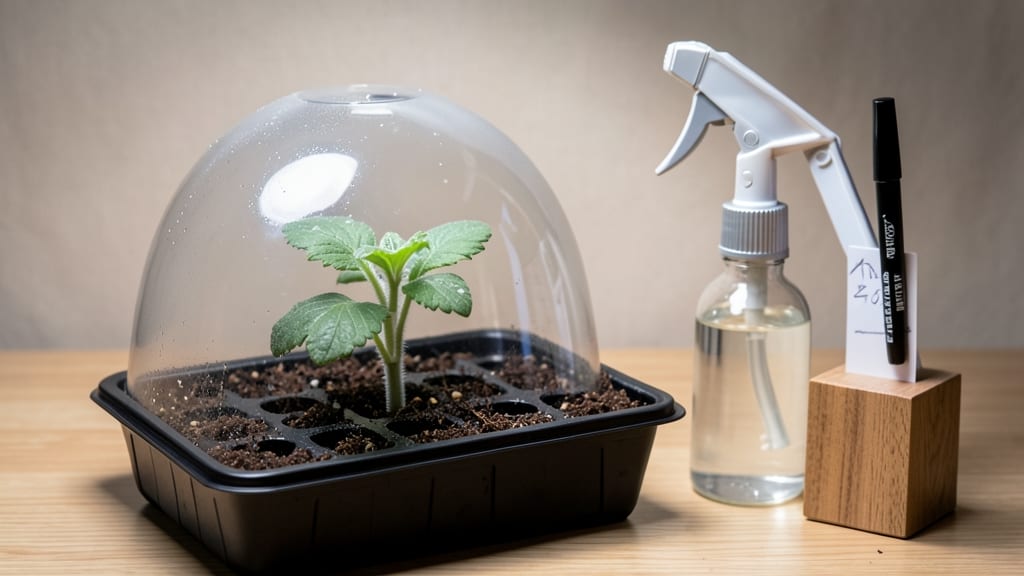
Germinating snapdragon seeds can feel like waiting for a slow-moving parade—until you try speed-soaking. 🌱 I’ve seen these delicate seeds pop up in just 3-5 days instead of the usual 2-3 weeks, and the trick is simpler than you’d think.
The secret lies in breaking their tough outer shell with warm water before planting. You’ll need a shallow tray, paper towels, and a plastic bag to create a mini greenhouse effect. Most gardeners overlook this step, but it cuts germination time by nearly half—meaning earlier blooms and happier gardeners.
Once soaked, you’ll plant them in barely moist soil (too much water drowns them) and keep the tray in a warm spot. Within a week, you’ll spot those first tiny leaves pushing through, and your patience will pay off with vibrant, long-stemmed blooms by summer.
This method works for both indoor starters and outdoor sowing. The key is consistency—keep the soil warm and the seeds from drying out. Here’s how to make it foolproof!
📚 In This Guide
- What you need
- Instructions
- Tips and common mistakes
- Wrapping up and next steps
What you need
- ● Snapdragon seeds: 1–2 packets (or a handful of fresh seeds). Opt for Antirrhinum majus for vibrant blooms!
- ● Speed-soaking container: A small bowl, jar, or even a damp paper towel (for the soak method).
- ● Water: Room-temperature, distilled, or filtered (avoid tap water if it’s heavily chlorinated).
- ● Planting medium: Option 1: Seed-starting mix (sterilized, lightweight, and well-draining).
- ● Option 2: A mix of 50% peat moss and 50% perlite (for better aeration).
- ● Small pots or trays: 2–4 inch pots (or a seed tray with drainage holes).
- ● Spray bottle: For gentle watering (avoid over-saturating the soil).
- ● Plastic wrap or humidity dome: To retain moisture during germination.
- ● Grow lights or sunny windowsill: Snapdragons need 12–16 hours of light daily.
- ○ Thermometer (optional but helpful): Ideal germination temp: 65–75°F (18–24°C).
- ● Seedling heat mat: Speeds up germination if your space is chilly.
- ● Fertilizer: A balanced, water-soluble fertilizer (diluted to half-strength) after sprouts appear.
- ● Label markers: To track seed varieties (especially if mixing colors!).
- ● Tweezers: For delicate seed placement (if you’re feeling fancy!).
Step-by-step instructions for germinating snapdragon seeds
Here's how I get snapdragons popping in just days—not weeks—using a simple speed-soaking trick.
🌱 Step 1: Prepare Seeds with a Warm Soak
Snapdragon seeds have tough outer shells that slow germination. To speed things up, fill a small bowl with lukewarm water (about 80°F) and add the seeds. Let them soak for 12-24 hours—this softens the shell and kickstarts the process. I like to use a mesh bag or piece of cheesecloth to keep them contained while soaking.
Check the water level occasionally and top it off if it cools or evaporates. You'll know the soak is working when the seeds look slightly plump and swollen. This step alone can cut germination time in half, so don't skip it!
💧 Step 2: Plant in Moist, Warm Soil
Fill small seed trays or individual pots with a light, well-draining seed-starting mix. Press the soil down gently to remove air pockets, then moisten it until it feels like a damp sponge—just damp enough to hold together when squeezed but not dripping. Snapdragons like it cozy, so aim for soil that stays 65-75°F.
Scatter the soaked seeds on the soil surface—don't bury them. Snapdragons need light to germinate, so they should only be covered with a thin layer of vermiculite or a sprinkle of additional mix (about 1/8 inch deep). Mist the surface lightly with water to settle the seeds in place.
☀️ Step 3: Cover and Keep Warm for Germination
Place the trays in a clear plastic bag or under a humidity dome to trap warmth and moisture. Snapdragons germinate fastest in 70-75°F soil, so a seedling heat mat helps if your home runs cooler. You'll see tiny sprouts in 5-10 days—sometimes even faster if the conditions are perfect.
Check the soil daily and mist lightly if it feels dry to the touch. Avoid removing the cover too soon—condensation inside keeps the environment ideal. Once 50% of seeds have sprouted, remove the cover immediately to prevent damping-off, a fungal disease that can wipe out seedlings overnight.
🌿 Step 4: Provide Light and Gradual Airflow
The instant seedlings emerge, move them to a bright spot with indirect light (like a south-facing window). If using grow lights, keep them 2-3 inches above the seedlings for 12-14 hours daily. Snapdragons grow leggy fast if they don't get enough light, so watch for stems stretching toward the source.
After a week, start opening the trays for 10-15 minutes daily to harden off the seedlings. This gradual airflow prevents shock when you eventually transplant them. You'll know they're ready for the garden when they've developed 2-3 sets of true leaves and look sturdy enough to handle outdoor conditions.
Tips & tricks for speed-soaking snapdragon seeds
Real talk: The difference between waiting weeks for snapdragons to sprout and seeing them pop in days is entirely in the details. Here's how I make this method foolproof.
Soak Smarter: The lukewarm water should feel like bath water—not scalding, not tepid. Test it with your wrist: if it feels slightly warm but not hot, you're at the perfect 80°F. I use a small glass jar with a lid for soaking—it keeps the seeds contained while allowing me to check progress easily. After 12 hours, I give them a quick visual check: if they're noticeably plump, they're ready for planting. If not, let them soak another 6-12 hours.
Soil Prep Secret: In Step 2, don't just moisten the soil—press it down firmly to eliminate air pockets. I like to use a clean wine bottle (without the label) to press down gently in a circular motion. This creates a dense, even surface that helps maintain consistent moisture. For the 1/8-inch coverage, I use a ruler to measure—any deeper and you'll block light, which snapdragons need to germinate.
Warmth Hack: If your home runs cooler than 70°F, place your seed trays on top of your refrigerator for the first 24 hours. The warmth from the fridge's condenser coils creates a perfect germination environment. I've seen seeds sprout in just 3 days using this trick! Just make sure to check daily—they shouldn't feel hot to the touch.
Lighting Strategy: For the 12-14 hours of daily light in Step 4, I use a simple LED grow light on a timer. Position it just 2 inches above the seedlings—they'll grow toward it like little sun-seekers. If using natural light, rotate the trays daily so all seedlings get even exposure. Leggy seedlings mean they need more light, not less!
Pro Tips for Germinate Snapdragon Seeds
- Real talk: The difference between waiting weeks for snapdragons to sprout and seeing them pop in days is entirely in ...
- Soak Smarter: The lukewarm water should feel like bath water—not scalding, not tepid. Test it with your wrist: if it ...
- Soil Prep Secret: In Step 2, don't just moisten the soil—press it down firmly to eliminate air pockets. I like to use...
Frequently asked questions
Got questions about germinating snapdragon seeds? You’re not alone! Here are some of the most common queries—and their answers—to help you grow vibrant blooms with confidence.
How long does it take for snapdragon seeds to germinate?
With the speed-soaking method, you’ll typically see sprouts in 5–14 days. If using traditional planting, germination can take 10–21 days, depending on temperature and moisture. Keep soil consistently moist (not soggy) and maintain warmth (around 70°F) for the best results.
Can I germinate snapdragon seeds indoors in winter?
Snapdragons thrive indoors with a grow light or sunny windowsill. Use seed trays with drainage and keep them near a heat mat (or on top of the fridge) to mimic spring conditions. Just avoid cold drafts—consistent warmth is key for breaking dormancy.
What should I do if my snapdragon seeds don’t sprout?
If seeds haven’t sprouted after 3 weeks, try these fixes:
- Check moisture: Soil should feel like a damp sponge—not dry or waterlogged.
- Test temperature: Use a heat mat if your space is too cool.
- Scratch the seed coat: Lightly nick the seed with a file (if stored dry) to help water penetrate.
- Fresh seeds: Snapdragons lose viability after 1–2 years—try new seeds if older.
Do snapdragon seeds need light to germinate?
Nope! Seeds germinate best in darkness—light is only needed after sprouts emerge (about 1–2 inches tall). Cover trays with a lid or plastic wrap until then to retain humidity and warmth.
Can I direct-sow snapdragon seeds outside?
While possible, indoor starts are easier for snapdragons. If sowing directly outdoors, wait until soil is 60°F+ and plant seeds ¼ inch deep. Thin seedlings to 12–18 inches apart to prevent overcrowding. Just know they’ll take longer to mature!
Pro Tip:
For faster germination, soak seeds in lukewarm water for 24 hours before planting. This mimics natural spring rains and can cut germination time by half!
Wrapping up and next steps
Germinating snapdragon seeds with speed-soaking is a rewarding way to jumpstart your garden with vibrant blooms! 🌱 With the right mix of patience, moisture, and warmth, you’ll soon be watching tiny seedlings push through the soil. Once your sprouts emerge, the real fun begins—transplanting and nurturing them into full, colorful plants.
Ready to take the next step? Try experimenting with different soil mixes or light conditions to see what works best for your climate. Happy gardening—your future snapdragons are counting on you! 🌸