
Size
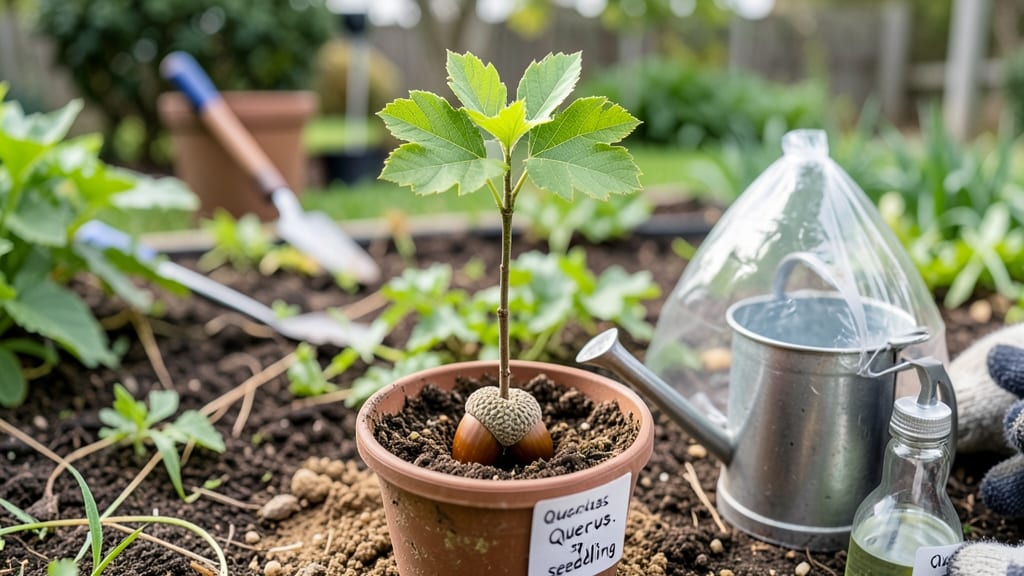
How to get an acorn to grow—that first crack in its shell is the promise of a future oak tree. 🌱 The journey from seed to sapling takes patience, but the reward—a towering shade tree in your yard—is worth every step. Most acorns fail because people skip the critical cold treatment that mimics winter, but I’ve grown dozens using this exact method.
You’ll need just three things: a fresh acorn, a plastic bag, and a little refrigerator space. The secret is stratification—mimicking winter’s chill to break dormancy.
After 6-8 weeks in the fridge, you’ll see that first root poke through, signaling it’s ready for soil. Even beginners succeed with this simple approach.
By year three, your seedling could be 2-3 feet tall, ready for its forever home in the ground. The key is consistent moisture and protection from pests—no fancy equipment needed. Watching that tiny sprout become a tree is one of gardening’s most rewarding experiences.
Works for white oak, red oak, or pin oak—just adjust planting depth based on acorn size. Here’s how to avoid the most common pitfalls and set your seedling up for success.
📚 In This Guide
- What you need
- Instructions
- Tips and common mistakes
- Wrapping up and next steps
What you need
- ● Acorn: 1–3 fresh, healthy acorns (preferably from a Quercus species like white oak or red oak). Look for plump, intact acorns with no cracks or mold.
- ● Water: Distilled or rainwater (1–2 cups for soaking, plus ongoing hydration). Avoid tap water if it’s heavily chlorinated.
- ● Container: Option 1: Small nursery pot (4–6 inches deep) with drainage holes.
- ● Option 2: Paper towel or damp paper (for pre-sprouting).
- ● Growing Medium: Potting soil mix (well-draining, sterile blend). Specs: 50% peat moss, 30% perlite, 20% vermiculite.
- ● OR Coconut coir (sustainable alternative).
- ● Spray Bottle: 1 (for gentle watering).
- ○ Plastic Bag: 1 (clear, zip-top) to create a mini greenhouse (optional but helpful for humidity).
- ● Seedling Heat Mat: 1 (to maintain 65–75°F during germination).
- ● Fertilizer: Balanced liquid fertilizer (5-5-5 NPK ratio, diluted to half-strength).
- ● Grow Lights: LED bulb (12–16 hours/day) if natural light is limited.
- ● Label: Waterproof tag to track planting date and species.
- ● Outdoor Space: Sunny spot (6+ hours of light/day) for transplanting after 1–2 years.
Step-by-step instructions for growing an acorn into a sapling
Here's the natural method I've used to coax acorns into sturdy young trees—no shortcuts, just patience and the right conditions.
🌱 Step 1: Collect and Prepare the Acorn
Gather acorns in late fall from healthy oak trees—look for plump, brown acorns with intact caps. The cap protects the seed from pests and disease, so don't remove it. Store them in a cool, dry place until spring planting. I like to keep them in a paper bag in the fridge to mimic natural winter dormancy.
Before planting, soak the acorn in water for 24 hours to soften the shell slightly. This helps the root break through more easily. You'll know it's ready when the water looks slightly cloudy—this means the seed is absorbing moisture and starting to wake up.
🪴 Step 2: Plant the Acorn in a Moist, Well-Draining Medium
Fill a small pot with 6 inches of depth with a mix of 50% potting soil and 50% perlite or coarse sand for drainage. Press the acorn 1 inch deep into the soil, cap-side down, about 1 inch from the pot's edge. This gives the root room to grow without crowding.
Water gently until the soil feels damp but not soggy. Place the pot in a shady spot—direct sunlight can dry out the soil too quickly. Keep the soil consistently moist (not wet) by checking the top inch daily. If it feels dry, water lightly again.
☀️ Step 3: Provide Gradual Sunlight and Patience for Germination
After 4-6 weeks, the acorn should sprout. You'll see a tiny root emerge first, followed by a shoot. Once the shoot reaches 2 inches tall, gradually introduce it to morning sunlight for 1-2 hours daily, then increase exposure over 2 weeks to prevent shock.
When the seedling has 4-6 leaves, transplant it to a larger pot (8-10 inches deep) with the same soil mix. This gives the roots space to grow without becoming root-bound. Keep it in partial shade for another 2 weeks before moving to full sun.
🌿 Step 4: Transition to Outdoor Conditions Over 2 Years
After 1 year, when the sapling is 1-2 feet tall, plant it outdoors in a sunny, sheltered spot with well-draining soil. Dig a hole twice as wide as the root ball but no deeper. Water deeply after planting to settle the soil around the roots.
Protect the young tree from strong winds and pests by wrapping the trunk with tree guard (available at garden centers). Mulch around the base with 2 inches of organic mulch to retain moisture and suppress weeds. Water deeply once a week during dry spells.
⏰ Step 5: Maintain Through the Third Year for a Healthy Sapling
By the third year, your sapling should be 3-5 feet tall with a sturdy trunk. Prune any dead or crossing branches in late winter to encourage strong growth. Fertilize lightly in spring with a balanced, slow-release fertilizer to support root development.
Watch for signs of stress—yellowing leaves mean too much water, while crispy edges signal underwatering. A healthy oak sapling will have deep green leaves and steady growth each spring. With care, it’ll be ready for permanent planting in the landscape.
Tips & tricks for growing an acorn into a sapling
Common pitfalls—and how to sidestep every one. Growing an acorn into a sapling takes time, but these simple tricks will help you avoid the most frustrating mistakes along the way.
Timing Secret: Don't rush the 24-hour soak—this is where most beginners go wrong. The acorn needs that full time to absorb moisture and soften its shell naturally. If you're short on time, you can extend it to 48 hours (but don't go longer than 72 hours, or the seed may rot). I've seen acorns that soaked for only 12 hours fail to sprout because the shell didn't soften enough.
Soil Mix Matters: The 50/50 blend of potting soil and perlite/sand is non-negotiable for drainage. If you don't have perlite, coarse sand or even small gravel works in a pinch. The key is preventing soggy soil—oak seedlings hate "wet feet." I've had acorns mold because the pot didn't drain properly, so always test your mix by squeezing a handful. It should crumble easily when dry, not stay in a clump.
Gradual Sunlight Transition: Those 1-2 hours of morning sun in Step 3 are critical for hardening off your seedling. I've seen seedlings burn when moved too quickly to full sun. Start with just 30 minutes on the first day, then add 30 minutes each subsequent day. Think of it like sunbathing—you wouldn't go from zero to full sun exposure either! Watch for leaves that look pale or slightly curled; that's your cue to reduce exposure.
Patience Pays Off: The 4-6 week germination window can feel like forever, but don't be tempted to dig up the acorn to check on it. Disturbing it too early can prevent sprouting. Instead, keep the soil consistently moist and wait for signs of life. I've had acorns that took 8 weeks to sprout—sometimes nature just needs more time. If nothing happens after 8 weeks, your acorn might not be viable, but don't give up on the next one!
Pro Tips for Get An Acorn To Grow
- Common pitfalls—and how to sidestep every one. Growing an acorn into a sapling takes time, but these simple tricks wi...
- Timing Secret: Don't rush the 24-hour soak—this is where most beginners go wrong. The acorn needs that full time to a...
- Soil Mix Matters: The 50/50 blend of potting soil and perlite/sand is non-negotiable for drainage. If you don't have ...
Frequently asked questions
Got questions about growing an acorn into a sapling? You’re not alone! Here are some of the most common queries—and straightforward answers—to help you succeed.
How long does it take for an acorn to sprout?
Most acorns sprout within 4 to 12 weeks under ideal conditions (moisture, warmth, and darkness). Oak species vary—some take longer, especially if the acorn is fresh or stored improperly. Patience is key!
Can I plant an acorn in winter?
Winter planting is risky because cold soil can slow germination or even kill the seed. Wait until spring or early fall (after the first frost) for best results. If you must plant in winter, use a greenhouse or indoor setup with controlled warmth and moisture.
What if my acorn doesn’t sprout?
Don’t panic! Try these fixes:
- Check moisture: Keep soil damp (not soggy) like a wrung-out sponge.
- Test viability: Fill a glass with water—if the acorn sinks, it’s likely viable.
- Try stratification: Refrigerate the acorn in moist peat for 3–6 weeks to mimic winter.
- Freshness matters: Older acorns (over 1 year) may lose viability.
Do I need to plant the acorn deep?
Nope! Plant the acorn just 1 inch deep in well-draining soil. Deeper planting can cause rot, while shallow planting may expose it to drying out. Cover it lightly with soil and water gently. Think of it like tucking a seedling into a cozy blanket!
Can I grow an acorn indoors?
Use a small pot with drainage, a mix of potting soil and sand, and place it near a sunny window or under grow lights. Keep the soil moist and move the sapling outdoors after it’s 6–12 inches tall to harden it off. Just avoid overwatering—indoor environments can get too humid!
Will squirrels eat my acorns before they sprout?
Squirrels are acorn thieves! To outsmart them:
- Plant acorns in mesh cages or use chicken wire until sprouts appear.
- Choose less desirable locations (far from trees or hidden in dense foliage).
- Harvest fresh acorns directly from the tree to reduce competition.
How do I know if my acorn is from a strong oak tree?
Look for these signs of a high-quality acorn:
- Size: Larger acorns (over 1 inch) usually come from mature, healthy oaks.
- Shape: Plump, symmetrical acorns with minimal cracks or mold.
- Source: Collect from mature oak trees (avoid fallen acorns from the ground—they may be damaged).
- Color: Rich brown caps (not gray or fuzzy).
Wrapping up and next steps
Growing an acorn into a sapling is a rewarding journey that teaches patience, care, and the magic of nature! 🌱 By following these steps—from selecting the right acorn to nurturing your young oak—you’ve unlocked the secret to fostering life from something as small as a seed. Now it’s time to watch your hard work bloom!
Ready to take the next step? Once your sapling reaches 1–2 feet tall, consider transplanting it into a larger pot or directly into the ground (if conditions are right). Keep an eye on its progress, and soon, you’ll be proud to call yourself a tree guardian! 🌳✨