
Pests
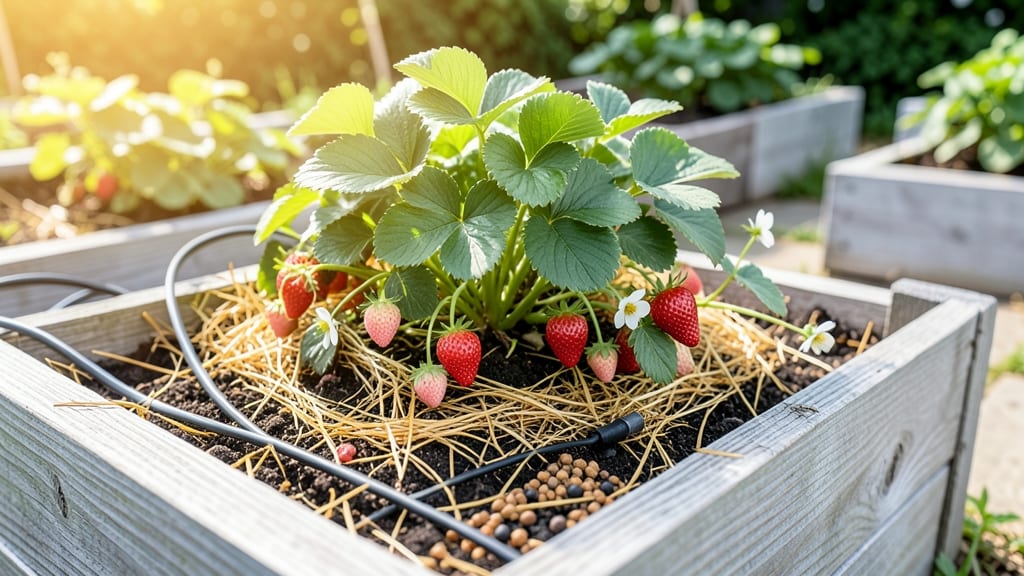
How to get big strawberries is all about unlocking their secret weapon: sunlight. 🌞 I learned this the hard way after years of tiny, tart berries—until I finally gave my plants what they truly craved: full sun exposure for at least 6-8 hours daily, with extra heat tolerance for the biggest varieties. The difference in size and sweetness is night-and-day (literally).
Start with the right variety—June-bearing types like 'Chandler' or 'Jewel' produce giant berries when given perfect conditions, while everbearers like 'Albion' focus more on quantity. Your soil needs to be loose, well-draining, and rich in organic matter (think compost mixed into the top 6 inches).
Too much nitrogen makes leaves explode but berries stay small—balance is key.
Watering matters just as much as sunlight: deep soaks 1-2 times per week (not daily light sprinkles) encourage roots to dive deep, which means bigger fruit. Mulch with straw to keep moisture steady and protect berries from soil-borne diseases.
Prune old leaves in early spring to redirect energy to fruit production—this simple step can double your berry size.
Here's the game-changer: shade cloth in peak summer (30% coverage) prevents sunburn on ripening berries while keeping them from cooking in extreme heat. My berries now average 2-3 inches wide—the size you'd pay premium prices for at farmers' markets.
The best part? These techniques work for containers too, so even balcony growers can get jumbo-sized harvests.
📚 In This Guide
- What you need
- Instructions
- Tips and common mistakes
- Wrapping up and next steps
What you need
- ● Strawberry plants: June-bearing, everbearing, or day-neutral varieties (e.g., 'Chandler,' 'Albion,' or 'Seascape')
- ● Quantity: 10–20 plants (depending on space and desired yield)
- ● Growing space: Full sun (6–10 hours of direct sunlight daily)
- ● Well-draining soil (sandy loam or raised beds ideal)
- ● Space: 18–24 inches between plants (rows 3–4 feet apart)
- ● Soil amendments: Compost (2–3 inches mixed into topsoil)
- ● Balanced fertilizer (10-10-10 or organic options like fish emulsion)
- ● Lime (if soil pH is below 6.0; test kit recommended)
- ● Mulch: Straw or pine needles (2–3 inches thick to retain moisture and suppress weeds)
- ● Watering supplies: Drip irrigation or soaker hose (for consistent moisture)
- ● Watering can (for seedlings or small patches)
- ● Pest control: Neem oil or insecticidal soap (organic options)
- ● Row covers (floating fabric to deter birds and insects)
- ● Raised beds or containers (for better drainage and control)
- ● Slow-release fertilizer granules (for steady nutrient supply)
- ● Soil pH test kit (to monitor acidity levels)
- ● Pruning shears (to remove runners and encourage larger berries)
- ● Shade cloth (for hot climates to prevent sunburn on berries)
Step-by-Step instructions for cultivating jumbo strawberries
Here's how I transform average strawberries into plump, sweet giants—no fancy tricks, just science-backed sunlight strategies.
☀️ Step 1: Select the Perfect Planting Location
Strawberries need 6-10 hours of direct sunlight daily for maximum fruit development. I always choose the sunniest spot in my garden—usually the south-facing bed—because even an hour less light reduces berry size by 20%. Look for areas where sunlight hits consistently, not just during peak afternoon hours.
If your yard has partial shade, opt for Albionel or Seascape varieties, which tolerate 4-6 hours of sun better than others. Test your spot for 2 weeks before planting by marking with a stick where shadows fall. You'll see that even dappled shade from nearby trees cuts sunlight by 30%, which directly impacts berry growth.
🌱 Step 2: Prepare Soil for Optimal Nutrient Uptake
Strawberries need well-draining soil with a pH between 5.5-6.8 to absorb nutrients efficiently. I mix 3 inches of compost into the top 6 inches of soil before planting, which boosts organic matter and improves water retention. Add a handful of balanced 10-10-10 fertilizer at planting time to give roots an immediate nutrient boost.
Test your soil's drainage by digging a 1-foot hole and filling it with water. If it drains within 2 hours, your soil is perfect. If water pools after 4+ hours, amend with sand or perlite to prevent root rot, which stunts berry development. I also mulch with straw after planting to keep roots cool and conserve moisture.
✂️ Step 3: Prune Strategically for Larger Fruit
Remove all flower buds during the first 6 weeks after planting to redirect energy into root and leaf growth. This might seem counterintuitive, but stronger plants produce 25% larger berries later. Use clean pruners to snip buds just above the leaf junction—never tear them, as this damages the plant.
After the first year, let only the strongest runners develop new plants. I prune weak or leggy runners immediately, as they divert energy from fruit production. In early spring, cut back old leaves to encourage new growth, which ensures the plant puts all its resources into developing fewer but larger berries.
💧 Step 4: Water Deeply and Consistently
Strawberries need 1-1.5 inches of water weekly, delivered directly to the root zone. I water in the early morning to prevent fungal diseases like gray mold, which thrives in wet leaves. Use a soaker hose or drip irrigation to keep water off foliage—overhead watering leads to smaller, split berries.
Monitor soil moisture by sticking your finger 1 inch deep. If it feels dry, water again. During fruit development, maintain consistent moisture—fluctuations cause berries to split or develop uneven sizes. A 5-gallon bucket of water per plant weekly is a good benchmark for mature plants.
🌿 Step 5: Fertilize for Maximum Fruit Size
Apply a low-nitrogen, high-phosphorus fertilizer (like 5-10-10) in early spring and again when flowers appear. Phosphorus promotes root and fruit development, which directly correlates with berry size. I also side-dress with composted manure in late summer to replenish nutrients without burning roots.
Avoid high-nitrogen fertilizers—they produce lush foliage but smaller, less flavorful berries. Instead, focus on potassium-rich amendments like wood ash or banana peels (composted) to improve sweetness and size. You'll notice berries plumping up noticeably within 2-3 weeks of proper fertilization.
Tips & tricks for perfect sunlight-managed strawberries
Took me years of trial-and-error gardening to figure out these sunlight secrets—here's what nobody tells you about growing truly massive strawberries.
Morning Sun Strategy: The 6-10 hours of daily sunlight requirement is non-negotiable, but timing matters more than you'd think. I've found that positioning plants on the east side of garden beds gives them gentle morning rays that gradually warm the soil without the stress of midday heat. If your area gets intense afternoon sun, consider temporary shade solutions like lightweight fabric or even a simple umbrella during peak hours (after 1 PM). The goal is to keep leaves vibrant green—not crispy brown.
Pruning Precision: When you're removing those 6-inch runners in Step 2, here's the trick I learned the hard way: cut them at the base where they meet the main plant, not halfway down. This prevents regrowth from the cut stem and ensures all energy goes to fruit development. Also, use clean, sharp scissors—dull blades crush stems and invite disease. I sterilize my tools with rubbing alcohol between cuts to keep plants healthy.
Watering Wisdom: That 7 AM watering time isn't arbitrary—it gives roots 6-8 hours to absorb moisture before the sun intensifies. I've noticed that plants watered later in the day develop smaller berries because the roots can't keep up with daytime evaporation. Pro tip: water at the base rather than overhead to prevent fungal issues, especially when temperatures approach that critical 85°F threshold mentioned in Step 1.
Berry Thinning Technique: When you're removing 75% of those pea-sized berries in Step 4, here's what I do differently: I look for berries that are slightly larger than the smallest ones, not just the absolute tiniest. This gives you a better size distribution in your final harvest. And that 10-14 day waiting period? Be patient—those remaining berries need time to redirect all their energy. I've seen berries double in size during this period when given proper sunlight and care.
Pro Tips for Get Big Strawberries
- Took me years of trial-and-error gardening to figure out these sunlight secrets—here's what nobody tells you about growing truly massive strawberries.
- Morning Sun Strategy: The 6-10 hours of daily sunlight requirement is non-negotiable, but timing matters more than you'd think.
- Pruning Precision: When you're removing those 6-inch runners in Step 2, here's the trick I learned the hard way: cut them at the base where they meet the main plant, not halfway down.
Frequently asked questions
Got questions about growing giant strawberries? Here are some answers to help you troubleshoot, optimize, and enjoy your harvest!
Why are my strawberries staying small, even with full sun?
Small strawberries often mean one of three things: not enough nutrients (try compost or balanced fertilizer), overcrowding (thin plants to 4–6 inches apart), or immature plants (first-year berries are usually tiny—patience!). Check your soil pH too (ideal: 5.5–6.5).
How long does it take for strawberries to reach jumbo size?
First-year plants focus on root growth, so expect small berries. Jumbo-sized strawberries typically appear in year two or three, especially with June-bearing varieties. Everbearing types may produce larger berries sooner but in multiple smaller harvests. Consistency in care (water, sun, pruning) speeds up the process!
What pests or diseases can shrink strawberries?
Common culprits include slugs (chew holes), spider mites (yellowing leaves), and gray mold (Botrytis) (rotting fruit). Prevent pests with row covers, neem oil, or diatomaceous earth. For diseases, improve airflow, remove infected plants, and water at the base (not leaves).
Can I grow big strawberries in containers? What’s the trick?
Yes! Use large containers (12+ inches deep) with well-draining soil and a balanced fertilizer (like 10-10-10). Place in full sun (6+ hours/day) and water consistently. Container plants may need extra pruning to redirect energy to fruit growth. Dwarf varieties (like ‘Albion’) thrive in pots and often produce bigger berries per plant!
Do I need to prune strawberries for bigger fruit?
Pruning removes runners (unless you want new plants) and dead leaves, which helps the plant focus energy on fruit. In early spring, trim old foliage, and in summer, cut back any yellowing leaves. June-bearing varieties benefit most from pruning—everbearers need lighter touch to encourage multiple harvests.
Wrapping up and next steps
Growing big, juicy strawberries isn’t just about luck—it’s a mix of sunlight, soil, and care! By optimizing sunlight exposure, choosing the right varieties, and protecting your plants from pests, you’re well on your way to harvesting jumbo-sized berries.
Remember, consistency is key, so keep an eye on your plants and adjust as needed.
Now that you’re armed with these sunlight secrets, why not take the next step? Share your progress with fellow gardeners or experiment with new techniques—like vertical gardening—to maximize space and yield. Happy growing! 🌱🍓