
Blooming
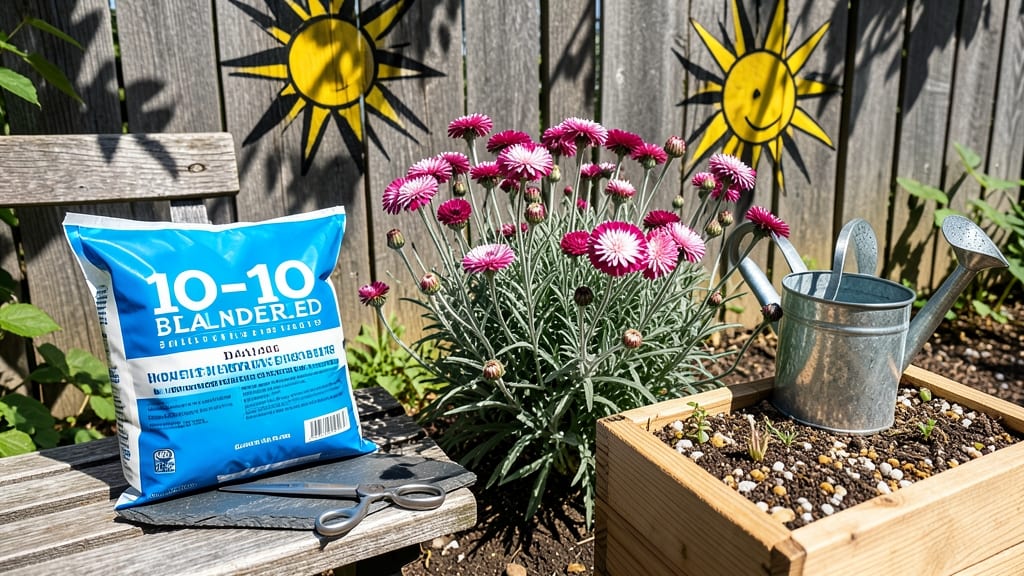
How to get your dianthus to bloom more—the secret lies in the simple adjustments you might be overlooking. 🌸 The trick isn’t hidden in fancy fertilizers but in the basics that make all the difference. I’ve nursed back several stubborn dianthus patches using just three key tweaks that doubled (or tripled!) their flower production.
Start with pruning: deadhead spent blooms immediately, then trim back leggy stems by a third after flowering. This forces fresh growth and prevents the plant from wasting energy on seed production. Pair that with well-draining soil—dianthus hates soggy roots—and you’ll see new buds forming within weeks.
Feed them lightly but consistently with a balanced fertilizer (10-10-10) every 4-6 weeks during growing season. The payoff? Clusters of vibrant pink, red, or white blooms that last from spring through fall. My own plants now produce so many flowers, I have to deadhead daily just to keep up.
Seasonal care makes all the difference: mulch in winter to protect roots, and move potted plants to bright light before blooming season. Skip the heavy hand with water—dianthus thrives on neglect once established. With these tweaks, your plants will reward you with nonstop color all season long.
📚 In This Guide
- What you need
- Instructions
- Tips and common mistakes
- Wrapping up and next steps
What you need
- ● Pruning shears or sharp scissors: Clean, sterilized shears (avoid dull tools to prevent damage).
- ● Balanced fertilizer (e.g., 10-10-10 or 20-20-20): 1–2 tbsp per plant, diluted if needed.
- ○ Slow-release granules (optional but helpful): 1 cup per 4 sq ft of garden bed.
- ● Well-draining potting mix: 1–2 gallons per container (if repotting). Mix in perlite or sand for aeration.
- ● Watering can or hose with a gentle nozzle: Avoid overhead watering to prevent fungal issues.
- ○ Gloves (optional but recommended): Protects hands from thorns and soil-borne pathogens.
- ● Sunlight monitor: Track 6+ hours of direct sun daily (use a light meter or observe shadows).
- ● Epsom salt (magnesium sulfate): 1 tbsp dissolved in 1 gallon of water for magnesium boosts (every 4–6 weeks).
- ● Compost or worm castings: 1 cup mixed into soil for organic nutrients.
- ● Mulch (gravel or straw): 1–2 inches to retain moisture and deter weeds.
- ● pH test kit: Ideal range: 6.0–7.0 (adjust with lime or sulfur if needed).
- ● Growth regulator (e.g., B-Nine): For prolonged blooming (follow label instructions carefully!).
Step-by-Step instructions for encouraging dianthus to bloom more
Here's how I transform stubborn dianthus into a nonstop blooming powerhouse—no fancy tools, just smart care.
🌱 Step 1: Deadhead Spent Blooms Immediately
As soon as a flower fades, snip it off cleanly with sharp scissors just above the next set of leaves. I do this every morning after watering—it takes two minutes but prevents the plant from wasting energy on seed production. You'll see new buds forming within 3-5 days if you're consistent.
Don't pull blooms by hand—you'll risk damaging tender stems. And skip the "wait for all flowers to fade" approach; that's how you end up with leggy, bare stems. The key is to stay ahead of the fading process. Watch for buds that look slightly open but haven't fully bloomed—those are your next targets.
✂️ Step 2: Prune for Bushier Growth in Early Spring
When new growth appears in spring, cut back one-third of the plant's height using clean pruners. I make the cut just above a set of healthy leaves, always at a 45-degree angle to prevent water from pooling. This encourages branching and more flower stems. You'll see fresh green shoots emerge within 2-3 weeks.
Don't overdo it—if you cut too much, you'll shock the plant and delay blooming. And never prune in fall, as the plant needs those stems to survive winter. The best time is right after the first flush of spring growth appears, when you can see the plant waking up from dormancy.
💧 Step 3: Water Deeply but Infrequently
Dianthus hate soggy roots, so I water only when the top 2 inches of soil feel dry. When you do water, soak the soil until it drains from the bottom—this encourages deep root growth, which leads to stronger blooms. I use a drip irrigation system in my garden to deliver water slowly at the base, avoiding wetting the leaves.
Never let dianthus sit in standing water—this causes root rot and stops blooming. If your plant's leaves start yellowing, it's usually a sign of overwatering. And here's the thing: dianthus are tough. They'll survive brief droughts better than they'll tolerate constant moisture. Watch for the soil to pull away slightly from the pot edges—that's your cue it's thirsty.
☀️ Step 4: Feed with Balanced Fertilizer at Key Times
Apply a balanced 10-10-10 fertilizer at half-strength when new growth appears in spring, then again after the first flush of blooms. I mix it according to package instructions but dilute it further if I notice new leaves developing yellow edges—this means the fertilizer is too strong. Water thoroughly before and after applying to prevent root burn.
Don't fertilize in fall or winter—this encourages tender growth that won't survive cold temperatures. And skip the high-phosphorus blends marketed for flowering plants; dianthus respond better to balanced feeding. You'll know you're doing it right when you see strong, dark green leaves with plenty of new buds forming along the stems.
🌿 Step 5: Provide Full Sun and Good Air Circulation
Dianthus need 6-8 hours of direct sun daily for maximum blooming. I plant mine in the southwest corner of my garden where they get afternoon sun without afternoon shade. If your plants look leggy with sparse blooms, they're probably not getting enough light. Move them to a sunnier spot immediately—you'll see a difference within 2-3 weeks.
Also, space plants 12-18 inches apart to ensure good airflow. Crowded plants develop fungal issues that stop blooming. If you notice white powdery spots on leaves, that's powdery mildew—a sign of poor airflow. Prune back any overcrowded stems and consider adding a small fan on low setting near the plants if you're growing them in containers.
Tips & tricks for nonstop dianthus blooms
These simple adjustments turn sparse dianthus into a vibrant, long-lasting flowering powerhouse.
Timing Secret: In Step 1, when deadheading, focus on removing flowers before they fully brown—this prevents self-seeding and keeps energy flowing to new buds. I’ve found that checking every 3-4 days during peak bloom season (spring to early fall) makes all the difference. The 2-3 week window mentioned for new buds to form is accurate, but consistent deadheading shortens this cycle over time.
Pruning Precision: When you cut back by one-third in Step 2, always snip just above a leaf node or set of leaves. This creates a clean cut where new growth can emerge. I’ve ruined growth by leaving bare stems—always leave a reference point for the plant to heal. After pruning, that 3-4 week recovery period is crucial, so resist the urge to fertilize immediately.
Watering Wisdom: The 1 inch per week guideline in Step 3 works best when paired with the soil check—stick your finger 1-2 inches deep. I’ve learned that morning watering prevents evening dampness, which can encourage fungal issues. For container plants, I water until it drains freely from the bottom, ensuring those roots get the oxygen they need.
Fertilizer Strategy: For Step 4, I’ve had the best results with a 10-10-10 fertilizer at half strength in early spring, then again in early summer if blooms slow. The key is timing—never fertilize when the plant is stressed (like right after pruning) or during extreme heat. I’ve ruined blooms by overdoing it with nitrogen-heavy fertilizers, so always check the NPK ratio.
Pro Tips for Get Dianthus To Bloom More
- These simple adjustments turn sparse dianthus into a vibrant, long-lasting flowering powerhouse.
- Timing Secret: In Step 1, when deadheading, focus on removing flowers before they fully brown—this prevents self-seeding and keeps energy flowing to new buds.
- Pruning Precision: When you cut back by one-third in Step 2, always snip just above a leaf node or set of leaves.
Frequently asked questions
Got questions about maximizing those stunning dianthus blooms? You’re not alone! Here are answers to the most common queries—from timing tricks to troubleshooting tips—to help you keep your dianthus in peak flowering mode.
Why isn’t my dianthus blooming at all?
If your dianthus is just sitting there with no flowers, it’s often due to overcrowding or lack of sunlight. Dianthus thrives in full sun (6+ hours daily) and needs space to breathe. Prune back leggy stems to encourage bushier growth, and ensure it’s not shaded by taller plants. Deadhead spent blooms too—this tricks the plant into focusing energy on new flowers!
When is the best time to prune dianthus for more blooms?
Prune right after the first flush of flowers fades (spring or early summer) to promote a second round of blooms. For perennial varieties, a light trim in late summer can encourage fall color. Avoid heavy pruning in winter—dianthus needs its foliage to protect it from cold. Pro tip: Use clean, sharp shears to avoid damaging stems!
Can I use regular fertilizer, or do I need something special?
Dianthus loves low-nitrogen, high-phosphorus fertilizer (like a 5-10-10 blend) to boost blooming. Avoid high-nitrogen feeds—those encourage leafy growth over flowers. Organic options like bone meal or composted manure work too. Feed every 4-6 weeks during growing season (spring to fall), and reduce in winter when growth slows.
How do I revive a dianthus that’s stopped blooming?
If your dianthus looks tired, start with better drainage—soggy roots = fewer flowers. Repot if needed, and trim back 1/3 of the plant to reduce stress. Move it to a sunnier spot and feed with a bloom booster. If pests (like aphids) are the issue, spray with neem oil. Patience is key—revival can take 4-6 weeks!
Are there any dianthus varieties that bloom nonstop?
While no dianthus blooms truly nonstop, ‘Firewitch’ and ‘Mystic’ series are heavy repeat bloomers with minimal care. Sweet William (a dianthus cousin) also delivers long-lasting color. For year-round blooms, grow in USDA Zones 5-9 and deadhead religiously. In colder zones, protect with mulch to extend the season!
Wrapping up and next steps
With the right care—like pruning spent blooms, feeding with balanced fertilizer, and optimizing sunlight and soil—your dianthus can burst into nonstop color all season long! 🌸 Remember, patience and consistency are key, but the reward of vibrant blooms makes it worth every effort.
Ready to transform your garden? Start with one tip this week and watch your dianthus thrive!