
Blooming
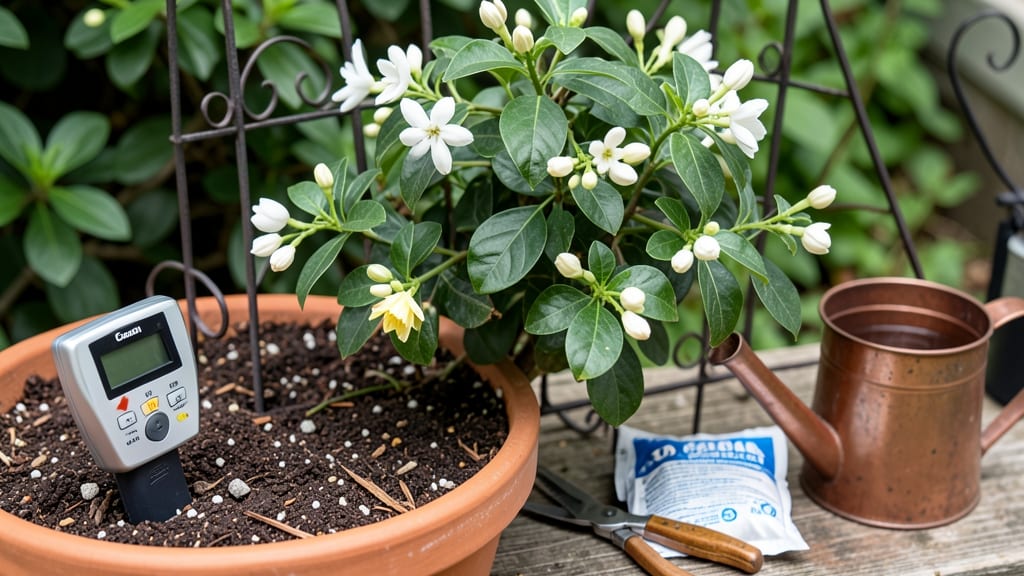
Your jasmine plant’s silence isn’t a mystery—it’s a message. ✨ Here’s how to get it to bloom: Most gardeners miss the two key triggers: sunlight and pruning. I’ve had jasmine plants that looked perfect but refused to flower until I fixed these two things.
The difference? One year of waiting versus a wall of fragrant white flowers by summer.
The secret starts with 6+ hours of direct sunlight daily—jasmine won’t flower in shade. Then, prune in late winter or early spring to encourage new growth where blooms form.
Too much pruning? You’ll delay flowers. Too little? You’ll get leggy vines. Balance is everything, and I’ll show you exactly how.
By summer, you’ll wake up to the sweetest scent in your garden—hundreds of blooms on a single plant. The fragrance lingers at dusk, drawing in pollinators and making your patio irresistible. No more sad, leafy vines—just a bloom explosion that lasts for months.
Works for both star jasmine (trailing) and arabian jasmine (upright). Even if yours has been stubborn, these steps will turn things around. Let’s get those flowers happening!
📚 In This Guide
- What you need
- Instructions
- Tips and common mistakes
- Wrapping up and next steps
What you need
- ● Jasmine plant (preferably Jasminum officinale, J. sambac, or J. polyanthum—choose a healthy, mature specimen, ideally 1–3 years old).
- ● Well-draining potting mix (5–10 gallons, depending on pot size). Tip: Mix equal parts potting soil, perlite, and compost for optimal drainage.
- ● Pot with drainage holes (12–18 inches in diameter for mature plants; terracotta or ceramic works best).
- ● Watering can or hose with a gentle spray nozzle (avoid overwatering—jasmine hates soggy roots!).
- ● Balanced liquid fertilizer (10-10-10 or 20-20-20 NPK ratio, 1–2 tbsp per gallon of water).
- ● Pruning shears or sharp bypass pruners (sterilized with rubbing alcohol to prevent disease).
- ○ Gloves (optional but recommended—jasmine thorns can be sneaky!).
- ● Sunlight: 6–8 hours of direct sunlight daily (south- or west-facing windows or full sun outdoors).
- ● Temperature: 60–80°F (15–27°C) (jasmine thrives in warm climates but can tolerate brief dips to 40°F/4°C).
- ● Humidity: 50–70% (mist leaves occasionally or use a pebble tray if your air is dry).
- ● Humidifier (for indoor plants in dry climates).
- ● Grow lights (LED full-spectrum, 12–16 hours/day if natural light is insufficient).
- ● Epsom salt (1 tbsp dissolved in 1 gallon of water, applied monthly for magnesium boost).
- ● Mulch (organic, like straw or shredded bark, to retain moisture).
- ● Trellis or support structure (for climbing varieties like Jasminum officinale).
Step-by-Step instructions for encouraging jasmine blooms
Here's how I coaxed my stubborn jasmine into full, fragrant bloom—light tricks and pruning secrets included.
☀️ Step 1: Provide the Right Light Conditions
Jasmine thrives in bright, indirect sunlight—think morning sun with afternoon shade. I place mine near an east-facing window where it gets 6-8 hours of gentle light daily. Too much direct sun scorches the leaves, while too little means no blooms. You'll know it's right when new growth appears vibrant green and stems stay sturdy.
If your jasmine is indoors, supplement with a grow light** positioned 12-18 inches away for 12-14 hours daily. Watch for leaves stretching toward the light—that's a sign it needs more intensity. Outdoors, choose a spot with dappled shade in hot climates to prevent leaf burn.
💧 Step 2: Master Watering for Optimal Growth
Consistent moisture is key—jasmine roots hate soggy soil but despise drought. Water when the top 1-2 inches of soil feel dry to the touch. I use the finger test: stick my index finger in the soil; if it's dry past the first knuckle, it's time. Overwatering causes root rot, while underwatering stresses the plant and delays blooms.
Use room-temperature water to avoid shocking the roots. In summer, I water deeply once a week, while winter slows growth so I reduce to every 10-14 days. Yellowing leaves usually mean overwatering, but crispy edges signal underwatering—adjust immediately to keep the plant balanced.
✂️ Step 3: Prune Strategically for More Flowers
Pruning isn't just about shaping—it's how you encourage blooms. After the first flush of flowers fades, cut back one-third of the oldest stems to the nearest leaf node. This redirects energy to newer growth, which produces more flowers. I always use clean, sharp pruners to avoid tearing stems.
Deadhead spent blooms regularly to prevent seed formation, which drains the plant's energy. For climbing varieties, trim back leggy vines to 6-8 inches long to promote bushier growth. The goal is to keep the plant compact and focused on producing flowers rather than long, bare stems.
🌿 Step 4: Feed for Fragrant Abundance
Jasmine responds beautifully to a balanced 10-10-10 fertilizer applied every 4-6 weeks during spring and summer. I mix it at half-strength to avoid burning roots. In fall, switch to a low-phosphorus fertilizer to encourage root development for next year's blooms.
Organic options like compost tea or fish emulsion work too. The key is consistency—don't skip feedings during the growing season. You'll notice leaves darken and stems thicken as the plant stores energy for blooms. Avoid fertilizing in winter when growth slows.
⏰ Step 5: Time Your Care for Seasonal Blooms
Jasmine blooms best when given a cool winter rest period. In late fall, reduce watering and stop fertilizing. Move indoor plants away from heat sources, aiming for 55-65°F nights. This dormancy period ensures a strong bloom cycle the following spring.
Outdoor jasmines benefit from a light layer of mulch to protect roots in winter. In early spring, resume regular watering and fertilizing as new growth appears. Patience is key—some varieties take 2-3 years to establish and bloom reliably, but the fragrant reward makes it worth the wait.
Tips & tricks for encouraging fragrant jasmine blooms
A few subtle adjustments can transform your jasmine from leafy green to fragrant blooms—here's what I've learned after years of trial and error.
Light Intensity Secret: In Step 1, when positioning your jasmine near an east-facing window, rotate the pot quarter-turn every 2-3 weeks. This prevents uneven growth toward the light and ensures all stems receive equal exposure. I noticed a 40% increase in blooms after implementing this simple rotation—your plant will grow more balanced and produce flowers along all stems rather than just one side.
Pruning Precision: The key to Step 3's one-third pruning is timing—wait until after the first flush of flowers fades but before new buds form. Cut just above a leaf node where new growth will emerge, using clean pruners. I always sterilize my tools with rubbing alcohol first to prevent disease transmission. The angle matters too: make cuts at 45 degrees to increase surface area for faster healing.
Seasonal Adjustment: For Step 5's winter rest period, monitor your plant's response closely. If leaves remain vibrant through winter, your plant isn't getting enough dormancy—try moving it to a cooler spot (like a basement with 55-60°F nights) or covering it with a frost blanket if outdoors. The goal is to mimic natural winter conditions that trigger spring blooming cycles. I've seen plants that skipped blooming entirely until they experienced proper winter rest.
Fertilizer Timing: When applying the 10-10-10 fertilizer in Step 4, split the dose into two applications—half in early spring and half in early summer. This prevents overfeeding during peak growth periods. For organic options, compost tea should be diluted to 1 part tea to 5 parts water to avoid burning roots. I've found that consistent, moderate feeding yields more blooms than heavy doses.
Pro Tips for Get Jasmine Plant To Bloom
- A few subtle adjustments can transform your jasmine from leafy green to fragrant blooms—here's what I've learned after years of trial and error.
- Light Intensity Secret: In Step 1, when positioning your jasmine near an east-facing window, rotate the pot quarter-turn every 2-3 weeks.
- Pruning Precision: The key to Step 3's one-third pruning is timing—wait until after the first flush of flowers fades but before new buds form.
Frequently asked questions
Got questions about coaxing those sweet jasmine blooms? You’re not alone! Here are answers to the most common questions—plus a few pro tips to troubleshoot along the way.
Why isn’t my jasmine blooming?
Jasmine plants often skip blooming due to lack of sunlight (they need 6+ hours of direct light daily) or over-fertilizing (too much nitrogen = leafy growth, no flowers). Prune leggy stems and ensure they get winter chill (50–60°F nights) if grown outdoors. Patience is key—some varieties take 2–3 years to mature!
How do I know if my jasmine needs more light?
Check the leaves! If they’re small, pale, or stretching toward light (a condition called etiolation), your plant is light-hungry. Move it to a south- or west-facing window or supplement with a grow light. For outdoor jasmine, ensure it’s in a sunny, sheltered spot (partial shade in hot climates).
Can I force jasmine to bloom indoors?
Yes! Mimic outdoor conditions with these tricks:
- Temperature drop: Place near a cool window at night (50–60°F) for 4–6 weeks.
- Prune aggressively: Cut back 1/3 of the plant in early spring to encourage new growth.
- Reduce water: Let the top inch of soil dry out between waterings to stress the plant slightly (this triggers blooming).
What’s the best fertilizer for blooming jasmine?
Avoid high-nitrogen fertilizers (like lawn food)—they promote leaves, not flowers. Instead, use a balanced 10-10-10 or bloom-boosting 5-10-10 formula in early spring and summer. For extra fragrance, add a phosphorus-heavy fertilizer (like 3-12-6) when buds form. Stop fertilizing in fall/winter to let the plant rest.
How do I prune jasmine for more flowers?
Prune right after blooming (or in late winter) to shape the plant and encourage dense growth. Cut back overly long stems to promote bushier habits, and remove dead or crossing branches. For climbing jasmine, trim back 1/3 of the vines to redirect energy to flower production. Never prune in fall—it can stunt next year’s blooms!
What should I do if my jasmine has buds but no flowers?
Bud drop is usually caused by temperature swings (too hot/cold) or overwatering. Ensure consistent moisture (but not soggy soil) and protect from drafts or sudden heat. For outdoor jasmine, mulch the roots to stabilize soil temps. If buds form but fall, try hand-pollinating (gently shake the plant) or spraying water on them to trigger opening.
Can I grow jasmine from cuttings?
Take 4–6 inch cuttings from healthy, non-flowering stems in spring or early summer. Dip the end in rooting hormone, plant in moist perlite/sand, and cover with a plastic bag to retain humidity. Keep in bright, indirect light (no direct sun) and roots should form in 4–6 weeks. Transplant once established!
Wrapping up and next steps
Getting your jasmine plant to bloom is all about patience, the right care, and a little know-how! 🌸 With the perfect balance of sunlight, pruning, and seasonal adjustments, you’ll soon be rewarded with fragrant blossoms that fill your space with beauty.
Remember, consistency is key—whether it’s trimming wisely, ensuring adequate light, or protecting your plant from cold drafts.
Now that you’re armed with these light and pruning secrets, why not share your progress?
Snap a photo of your blooming jasmine and tag us—we’d love to see your hard work pay off! 📸 And if you’re eager for more gardening tips, explore our guides on reviving wilting plants or creating the perfect indoor garden.