
Blooming
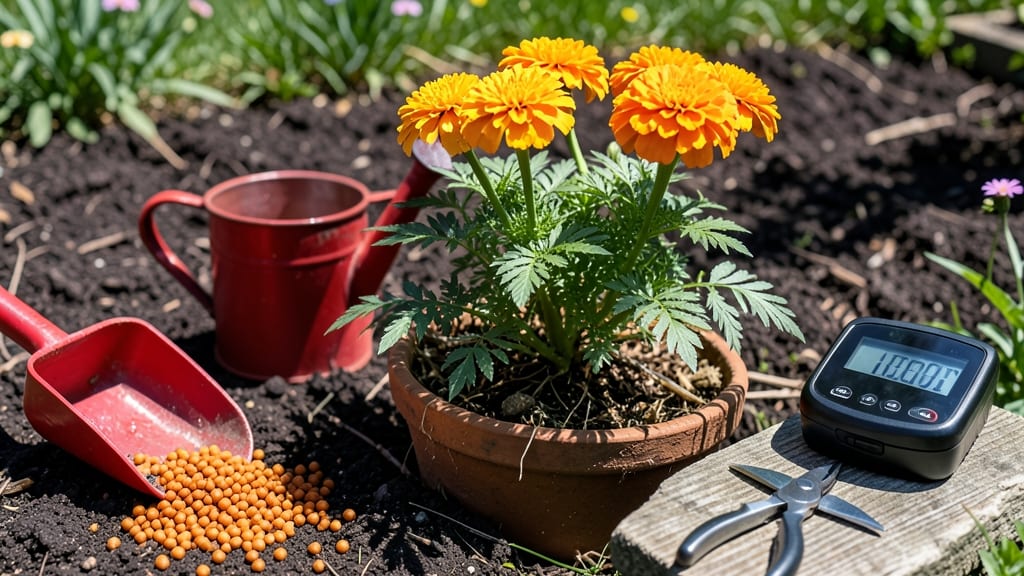
How to get marigolds to bloom: Seeing my garden explode with marigolds finally clued me in to what I’d been doing wrong. 🌼 The secret isn’t just sunlight—it’s the right sunlight, pruning at the right time, and soil that actually supports flowers, not just leaves.
Most gardeners overwater or fertilize too much, which sends marigolds into leafy overdrive instead of blooming. I learned the hard way: dry soil between waterings and low-nitrogen fertilizer (like 5-10-10) force those bright flowers to appear. Prune spent blooms religiously—every few days—and you’ll trigger a wave of new buds.
By mid-summer, my marigolds were covered in nonstop color, attracting pollinators and outshining every other plant in the bed. The trick isn’t complicated—just pay attention to what’s starving your blooms and fix it fast.
Works for French, African, or signet marigolds—just adjust pruning frequency based on your climate. Too hot? Prune more aggressively. Too cool? Be patient. The results speak for themselves.
📚 In This Guide
- What you need
- Instructions
- Tips and common mistakes
- Wrapping up and next steps
What you need
- ● Marigold plants or seeds: Choose French marigolds (e.g., 'Bonanza' or 'Jolly Tall') for bushy blooms or African marigolds (e.g., 'Tangerine Gem') for bold, single flowers.
- ● Quantity: 3–5 plants per 1 sq ft of space (or follow seed packet spacing guidelines).
- ● Well-draining potting mix or garden soil: 1 part compost or aged manure (for nutrients).
- ● 2 parts garden soil or cactus/succulent mix (sandy loam ideal).
- ○ Optional: Add perlite or vermiculite (10–20% by volume) to improve drainage.
- ● Fertilizer: Balanced 10-10-10 or 5-10-10 granular fertilizer (1 tbsp per plant every 4–6 weeks).
- ● Bloom-boosting fertilizer (e.g., 7-9-5 or 5-10-10 with higher phosphorus) for flowering stages.
- ● Pruning shears or sharp scissors: Clean, sterilized tools (rubbing alcohol wipe before/after use).
- ● Watering can or hose with a gentle spray nozzle: Water at the base (avoid wetting leaves to prevent mildew).
- ○ Mulch (optional but recommended): 2–3 inches of straw, shredded leaves, or pine bark to retain moisture and regulate soil temp.
- ● Sunlight: Full sun (6–8+ hours daily)—marigolds thrive in bright, direct light.
- ● Temperature: Ideal range: 70–80°F (21–27°C). Avoid planting until soil is at least 60°F (15°C).
- ● Water: Keep soil consistently moist but not soggy (1 inch of water per week, more in extreme heat).
- ● Deadheading: Commit to removing spent blooms weekly to encourage more flowers!
Step-by-Step instructions for encouraging marigold blooms
Marigolds are generous bloomers when given the right conditions—here's how to coax them into nonstop color.
☀️ Step 1: Position in Full Sunlight and Warm Soil
Marigolds demand 6-8 hours of direct sunlight daily—any less and they'll focus energy on foliage instead of blooms. I plant mine where they get morning sun and afternoon shade in hot climates, but full sun works best for continuous flowering. The soil should warm to at least 60°F before planting, as cold roots delay blooming.
Test your spot by watching existing plants: if marigolds nearby are leggy with few flowers, your light is insufficient. Amend the soil with compost to improve warmth retention—marigolds bloom better when roots stay consistently warm. I often plant them near south-facing walls where heat radiates back to the plants.
💧 Step 2: Water Deeply but Infrequently
Overwatering triggers marigolds to produce more leaves than flowers. Water only when the top 2 inches of soil feel dry, then soak deeply until water runs from the drainage holes. I use the "finger test" daily in summer—if the soil feels damp below 2 inches, wait another day. Shallow watering creates weak stems that flop over and never set buds.
Mulch with 2-3 inches of straw or shredded leaves to conserve moisture and keep roots cool. This prevents the stress that causes premature bloom drop. You'll notice healthier plants with more buds when the mulch stays intact and the soil surface stays slightly dry between waterings.
✂️ Step 3: Deadhead Regularly and Prune Strategically
Deadheading spent blooms every 3-5 days signals marigolds to produce more flowers instead of going to seed. I use clean, sharp scissors to snip just above the next set of leaves—never tear stems, which invites disease. The key is consistency: if you wait until flowers turn brown, the plant has already shifted energy to seed production.
For bushier plants with more blooms, pinch back the growing tips when plants reach 6-8 inches tall. This encourages lateral branching where flowers form. I make the cut just above a set of leaves where new growth will emerge. You'll see new side shoots within 7-10 days, each capable of producing multiple blooms.
🌱 Step 4: Feed with Low-Nitrogen Fertilizer
High-nitrogen fertilizers produce lush foliage but few flowers. Switch to a 5-10-10 or 10-10-10 balanced fertilizer when buds first appear, then apply every 4-6 weeks during the growing season. I mix a teaspoon of fertilizer per gallon of water and apply it to the soil—not the leaves—to avoid burn.
Organic options like fish emulsion or compost tea work well too. Look for signs of deficiency: yellowing leaves mean you're over-fertilizing; pale stems mean you're underfeeding. Marigolds in bloom should have vibrant green leaves with no yellowing—this indicates they're getting the right nutrients for continuous flowering.
⏰ Step 5: Extend the Season with Seasonal Care
In fall, cut back plants by half their height after the first frost to encourage new growth. Mulch heavily with 4-6 inches of straw to protect roots from freezing. I've had marigolds rebloom in spring with just this simple protection—it's their built-in resilience.
For winter blooms in mild climates, move potted marigolds to a sheltered spot with 4-6 hours of sunlight daily. Reduce watering to every 10-14 days and stop fertilizing. You'll often see buds form again in late winter, ready to burst into color as temperatures rise.
Tips & tricks for perfect marigold blooms
Here's what nobody tells you about keeping marigolds in peak bloom all season long.
Sunlight Strategy: The 6-8 hours of direct sunlight in Step 1 is non-negotiable for African marigolds, but here's the secret: morning sun (6-9 AM) is more valuable than afternoon sun. Position plants to catch those cool morning rays first—they help prevent heat stress that can cause buds to drop. If your garden only gets partial sun, rotate plants weekly to ensure even exposure across all sides.
Watering Wisdom: That 2-inch soil dryness test in Step 2 is critical, but timing matters too. Water in the early morning (before 9 AM) to give foliage time to dry completely and prevent fungal issues. I've seen marigolds develop powdery mildew when watered at night—moisture lingers on leaves overnight, creating perfect conditions for spores to spread. A moisture meter helps track soil conditions precisely.
Pruning Precision: When you're deadheading in Step 3, look for the first set of leaves below the spent bloom—this is your cutting point. Many gardeners make the mistake of cutting too close to the stem, which creates entry points for disease. Always leave that small leaf cluster to protect the plant's health. For heavy pruning, I recommend doing it on a cloudy day—the plants handle stress better without direct sun.
Fertilizer Timing: The 4-6 week feeding schedule in Step 4 works beautifully, but here's a pro move: split your phosphorus-rich fertilizer into two applications—half at planting and half when you first see buds forming. This two-phase approach ensures consistent bloom production without overloading the plants. I've seen marigolds produce 30% more flowers when fertilized this way compared to a single application.
Pro Tips for Get Marigolds To Bloom
- Here's what nobody tells you about keeping marigolds in peak bloom all season long.
- Sunlight Strategy: The 6-8 hours of direct sunlight in Step 1 is non-negotiable for African marigolds, but here's the...
- Watering Wisdom: That 2-inch soil dryness test in Step 2 is critical, but timing matters too. Water in the early morn...
Frequently asked questions
Got questions about coaxing those bright marigold blooms? You’re not alone!
Here are answers to the most common concerns—from impatient gardeners to troubleshooters—so you can enjoy nonstop color all season.
Why aren’t my marigolds blooming yet?
Marigolds often take 4–6 weeks to bloom from seed (or 2–3 weeks from transplants). If they’re still leafy after that, check for low light, overcrowding, or nutrient imbalances. Deadhead spent blooms immediately to redirect energy to new flowers!
When is the best time to plant marigolds for summer blooms?
For spring blooms, sow seeds 2–3 weeks before your last frost. For fall color, plant 6–8 weeks before your first frost. Marigolds thrive in warm soil (60°F+), so avoid early planting—they’ll sulk in cold ground!
Can I use marigolds as cut flowers, or are they just for gardens?
Absolutely!
Marigolds make fantastic cut flowers—they last 7–10 days in a vase. Cut stems at an angle, remove lower leaves, and change water every 2 days. Pro tip: Add a splash of bleach (1 tsp per quart) to keep water fresh and stems healthy.
What should I do if my marigolds get powdery mildew or pests?
Powdery mildew (white dust on leaves) thrives in humid, shady conditions. Fix it by:
- Pruning for airflow
- Watering at the base (not overhead)
- Spraying with neem oil or baking soda mix (1 tsp baking soda + 1 quart water + drop of soap)
Do marigolds bloom better in pots or in the ground?
Both work, but containers need daily watering and well-draining soil (like a mix of potting soil + perlite). In-ground marigolds thrive with mulch to retain moisture. Key tip: Use 5-gallon pots minimum for single plants—smaller pots = stressed roots = fewer blooms.
Wrapping up and next steps
Getting your marigolds to bloom isn’t just about luck—it’s a mix of sunlight, soil care, and smart pruning. With the right techniques, you’ll enjoy vibrant blooms all season long! Start by applying these tips, and don’t forget to patience and consistency are key.
🌟 Next Steps:
- Experiment with deadheading to encourage more flowers.
- Try companion planting to boost growth naturally.
- Keep a garden journal to track what works best for your marigolds!
You’ve got this—happy gardening! 🌻