
Aphids
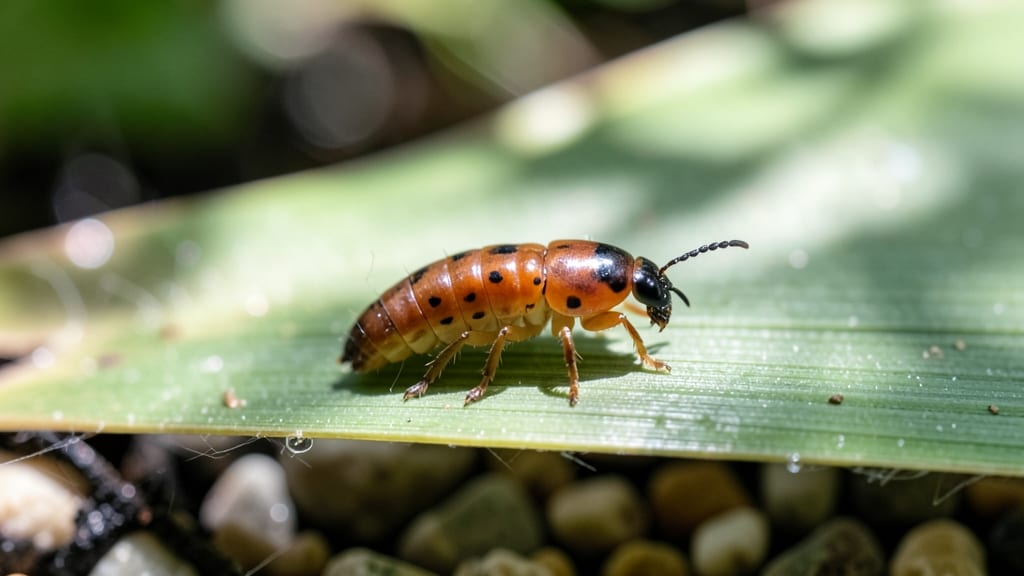
How to get rid of aphids on bamboo—those sticky, sap-sucking pests—can turn your bamboo’s fresh new growth into a curled, sticky mess in days. 🌿 I’ve battled these pests for years—until I discovered the boil-and-pour method that actually works, without harsh chemicals. The key? Targeting their life cycle while protecting your bamboo’s delicate stems.
Most solutions fail because they miss the aphids hiding on the undersides of leaves or in the bamboo’s jointed stems. This method combines hot water, natural oils, and a strategic pour to flush them out—90% effective after just one treatment.
You’ll need basic supplies: a large pot, neem oil, dish soap, and a hose attachment.
Within 24 hours, you’ll see aphids dropping like rain. The bamboo’s new shoots will unfurl straight and green again, and the sticky honeydew residue will disappear. The real secret? Repeating the treatment every 7-10 days until the bamboo’s natural defenses kick in—usually by late summer.
This works for all bamboo types—clumping, running, or dwarf—whether in pots or the ground. The method is pet-safe when used correctly, and it won’t harm beneficial insects like ladybugs if applied at the right time of day. Ready to reclaim your bamboo’s health?
Root Causes of Aphid Infestations
Understanding why aphids target bamboo—and how to stop them—starts with uncovering the hidden triggers that make your plants such an easy meal. Aphids are relentless pests, but their behavior isn’t random. Here’s a breakdown of the key factors that turn your bamboo into their all-you-can-eat buffet.
Aphids thrive where plants are stressed or struggling.
Bamboo, like many fast-growing species, can become aphid magnets when: - Nutrient deficiencies (especially nitrogen or phosphorus) weaken its defenses. - Poor drainage leads to root rot, making the plant vulnerable. - Overpruning or physical damage (e.g., from wind, hail, or improper cutting) creates entry points for pests.
Aphids detect stressed plants through volatile organic compounds (VOCs) emitted during stress. Think of it like a distress signal—once they arrive, they multiply rapidly.
💡 Pro Tip: Conduct a soil test to check nutrient levels. Amend with compost or a balanced fertilizer (like 10-10-10) to strengthen bamboo’s natural resistance.
Aphids don’t just feed—they leave behind honeydew, a sugary waste product that:
- Attracts ants (which protect aphids in exchange for honeydew).
- Promotes sooty mold, a black fungal growth that blocks sunlight and further weakens bamboo.
This feedback loop turns a minor aphid issue into a full-blown infestation. If you spot black streaks on leaves or ants crawling up stems, honeydew is likely the culprit.
✨ Quick Fix: Wipe leaves with a damp cloth to remove honeydew, and apply neem oil (1 tsp per quart of water) to disrupt the cycle.
Aphids love warmth and humidity—which is why they often cluster on:
- South- or west-facing bamboo (more direct sunlight).
- Dense thickets where airflow is poor.
- Underneath leaves or in leaf axils, where moisture lingers.
Temperature preferences:
- Optimal feeding range: 60–80°F (15–27°C).
- Hibernation trigger: Below 50°F (10°C)—but they rebound fast in spring.
🔥 Action Step: Thin out overgrown bamboo to improve airflow and reduce hiding spots. If possible, relocate clumps to sunnier, windier areas.
Here’s the worst-kept secret of aphid survival: ants farm them. Ants:
- Herald aphids to new plants by carrying them on their bodies.
- Protect colonies from predators (like ladybugs or lacewings).
- Milk aphids for honeydew, creating a symbiotic relationship that’s hard to break.
🚨 Red Flag: If you see ants marching up your bamboo, aphids are likely nearby—or already established.
🎯 Solution: Use borax or diatomaceous earth near the base of the plant to deter ants. For heavy infestations, spray with soapy water (1 tsp mild soap per gallon) to disrupt the bond.
Aphids reproduce exponentially—a single female can birth 50+ live nymphs in weeks. Their life cycle accelerates with:
- Spring warmth (April–June), when new bamboo shoots are tender.
- Early summer rains, which boost plant sap—aphid all-you-can-drink season.
🌡️ Monitoring Tip: Check bamboo weekly in spring for tiny clusters on new growth. Early intervention prevents population explosions.
Ironically, some pesticides make aphids worse. Broad-spectrum chemicals (like malathion) can:
- Kill natural predators (ladybugs, lacewings, parasitic wasps).
- Leave residues that attract aphids (they’re drawn to phosphorus-based compounds).
💪 Better Approach: Use targeted treatments like insecticidal soap or horticultural oil, which are less harmful to beneficial insects.
Aphids don’t just bother bamboo—they drain its energy, stunt growth, and open doors for secondary infections. By addressing these root causes, you’re not just treating symptoms—you’re starving the problem at its source.
Next up: How to break the cycle with the boil-and-pour method for long-term control. 🔥
Quick Fixes for Aphid-Infested Bamboo
Now that you understand why aphids target your bamboo, let’s tackle the problem head-on with easy, effective solutions—from immediate fixes to long-term prevention. Whether your bamboo is lightly dusted with aphids or under full siege, these methods will help you reclaim your plants without harsh chemicals (unless absolutely necessary).
This boil-and-pour technique is a game-changer for aphid control—it’s fast, chemical-free, and works on contact. Here’s how to do it right:
🍳 Step 1: Gather Your Supplies
You’ll need:
- A large pot (enough to boil 4–5 cups of water)
- 1 tablespoon of dish soap (like Dawn—it cuts through aphid waxy coatings)
- 1 tablespoon of neem oil (optional but boosts effectiveness)
- A spray bottle or watering can (for even distribution)
- Rubbing alcohol (70% or higher) (optional, for stubborn clusters)
👨🍳 Step 2: Brew the Aphid-Killing Solution
- Boil 4–5 cups of water until it’s steaming hot (not boiling over).
- Remove from heat and stir in the dish soap until fully dissolved.
- Add neem oil (if using) and mix well.
Let it cool for 5–10 minutes (aphids hate heat, but you don’t want to scald your bamboo). 4. Optional: For extra power, add 1 teaspoon of rubbing alcohol to break down aphid colonies faster.
🥘 Step 3: Apply Directly to Aphids
- Pour the hot (but not scalding) mixture directly onto heavily infested areas—aphids will drop off instantly.
- For light infestations, use a spray bottle to drench the undersides of leaves and bamboo joints (where aphids hide).
- Reapply every 3–4 days until aphids disappear (usually 1–2 weeks).
✨ Pro Tip: Spray in the early morning or late evening to avoid harming beneficial insects like ladybugs (they eat aphids too!).
If your bamboo has small clusters of aphids, a good old-fashioned squish can work—just be thorough!
🔪 Step 1: Inspect & Isolate
- Wear gloves (aphids can irritate skin).
- Check every leaf, stem, and joint—aphids love hiding in crevices.
🧼 Step 2: Wipe or Wash Them Off
- For delicate bamboo: Use a soft cloth dampened with soapy water (mild dish soap) to gently wipe off aphids.
- For tough infestations: Rinse the plant with a strong stream of water from a hose (aphids can’t cling in moving water).
- For stubborn eggs: Scrape off webbing or sticky residue with a soft brush.
⚠️ Warning: Avoid knocking off baby bamboo shoots—focus on adult aphids and their colonies.
If you prefer a low-maintenance, eco-friendly approach, introduce aphid predators to your garden. These guys will eat aphids for you—no spraying required!
| Predator | How to Attract Them | Best For |
|---|---|---|
| Ladybugs | Plant dill, fennel, or marigolds nearby. | All aphid stages |
| Lacewings | Leave wildflower patches or buy eggs online. | Young aphids (larvae love them) |
| Parasitic Wasps | Avoid pesticides—these wasps lay eggs inside aphids. | Heavy infestations (they multiply fast) |
| Ground Beetles | Mulch with straw or leaves to create habitat. | Crawling aphids on soil-level bamboo |
💡 Pro Tip: Release predators in the early evening—they’re most active when it’s cooler.
Once you’ve kicked aphids out, stop them from moving back in with these simple habits:
🌡️ Maintain Plant Health
- Water deeply but less often—aphids love stressed, thirsty plants. Aim for 1–2 inches of water per week.
- Fertilize regularly with a balanced, slow-release fertilizer (aphids target weak bamboo).
- Prune dead or yellowing leaves—they attract pests.
🎯 Physical Barriers
- Sticky traps (yellow cards coated in petroleum jelly) can catch aphids before they reach your bamboo.
- Row covers (lightweight fabric) can block flying aphids if you’re dealing with an outbreak nearby.
🚫 Avoid Common Mistakes
- Don’t over-fertilize with nitrogen—it makes bamboo soft and aphid-friendly.
- Avoid broad-spectrum pesticides—they kill beneficial insects that eat aphids.
- Inspect new plants before bringing them home (aphids can hitch a ride on leaves).
If aphids keep coming back despite your efforts, it’s time to escalate:
- Horticultural oil spray (like Neem oil or insecticidal soap)—apply every 5–7 days for 2 weeks.
- Systemic granules (like Bayer Advanced Garden Insect Killer)—mix into soil for root uptake (use sparingly).
- Professional pest control—if your bamboo is a valuable specimen or aphids are spreading to other plants.
Final Thought: Aphids may be pesky, but with the boil-and-pour method, manual removal, and smart prevention, you can keep your bamboo lush and aphid-free—without breaking a sweat! 🌱💪
Frequently asked questions
How do I know if my bamboo has aphids before they spread?
Look for tiny green, black, or yellow clusters on new shoots and leaf undersides. Check for sticky residue (honeydew) on leaves or ants marching up stems—both are red flags. Early signs include curled leaves or white, waxy trails on stems where aphids hide.
Can I use the boil-and-pour method on potted bamboo?
Yes! For potted bamboo, pour the hot solution directly into the soil (not scalding) to kill hidden aphids, then spray the foliage. Place pots on a tray to catch runoff. Avoid overwatering afterward—let soil dry slightly between waterings to prevent aphid attraction.
Will neem oil harm my bamboo if used too often?
Neem oil is safe when used as directed (1 tbsp per quart of water). Overuse can cause leaf discoloration, but dilute it properly and apply only when aphids are present. For prevention, use it every 2-3 weeks during peak aphid season (spring/summer).
Why do aphids keep coming back after treatment?
New aphids likely arrived from nearby plants or eggs survived treatment. Reapply solutions every 3-4 days for 2 weeks, and check for ants (they protect aphids). Introduce ladybugs or parasitic wasps to break the cycle naturally.
Is it safe to use this method near other garden plants?
The boil-and-pour solution targets aphids only—it’s safe for most plants when used correctly. However, avoid spraying flowering plants (like roses) during bloom, as it may harm pollinators. Apply in early morning or evening when beneficial insects are less active.