
Pests
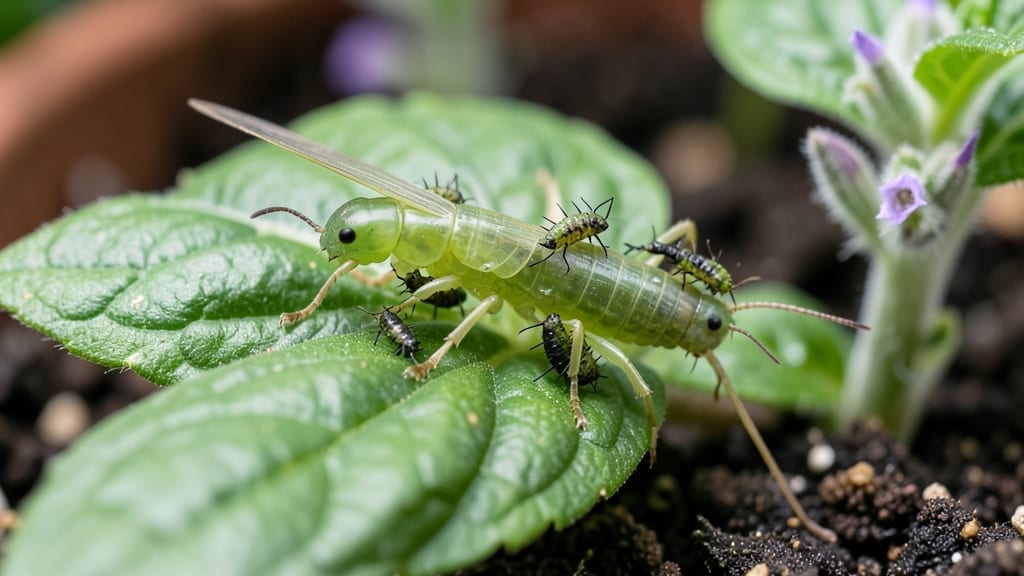
How to get rid of aphids on basil—those tiny green monsters are sucking the life out of your harvest. 🌿 I’ve battled aphids on my Italian basil for years, and I finally cracked the code with a method that works in minutes—no fancy tools, no harsh chemicals. The key? A simple boiling water drench that smothers them instantly while keeping your plants safe to eat. Most people reach for soapy water or neem oil first, but those take time to work. My method kills aphids on contact—just pour boiling water directly onto the infestation while wearing gloves. You’ll see the pests drop like flies, and your basil will bounce back faster than with any other treatment. The best part? It’s ready to harvest again in 24 hours. What you’ll end up with is lush, aphid-free basil that keeps producing those fragrant, tender leaves you love. The plants stay healthy, the flavor stays bright, and you avoid the stunted growth that comes from lingering pests. Plus, this method works on other tender herbs too. Here’s the full step-by-step—no guesswork, no waiting. Let’s get those pests off your plants for good.
Root Causes of Basil Aphids
Aphids aren’t just random pests—they’re drawn to your basil for a reason. Understanding why they invade helps you prevent future infestations and tackle them more effectively. Let’s break down the science behind their attraction to your prized herb.
Aphids thrive in dense, lush foliage because it provides: - Easy access to sap: Basil leaves are soft and tender, making them an aphid buffet.
When plants are overcrowded, airflow decreases, creating a humid microclimate that aphids love. - Protection from predators: Thick growth shields aphids from natural enemies like ladybugs and parasitic wasps, letting their populations explode. - Stress signals: Crowded plants release volatile organic compounds (VOCs) that aphids detect as a "stress call," luring them in.
Actionable fix: Prune basil regularly to improve airflow and remove yellowing or damaged leaves, which attract more pests.
Healthy basil produces secondary metabolites (like terpenes and phenols) that repel aphids. But when your plants are stressed, these defenses drop.
Common triggers include: - Underwatering: Drought-stressed basil emits VOCs that aphids find irresistible (they’re essentially screaming, "Eat me!"). - Overwatering: Soggy soil weakens roots, reducing the plant’s ability to produce defensive compounds. - Nutrient deficiencies: Lack of nitrogen (key for leaf growth) or phosphorus (critical for root health) makes basil a softer target.
Actionable fix: Water basil deeply but infrequently (1–1.5 inches per week) and fertilize with a balanced 10-10-10 or 5-10-10 formula to boost resilience.
Aphids are phloem feeders, meaning they insert their stylets into basil’s vascular system to suck out sugary sap.
They’re especially drawn to: - New growth: Young, tender leaves are easier to penetrate and packed with nutrients. - Honeydew trails: Aphids excrete sticky honeydew, which attracts sooty mold—a fungal growth that further stresses the plant, creating a vicious cycle. - Ant partnerships: Some aphid species (like Aphis gossypii) form mutualistic relationships with ants.
Ants "farm" aphids for honeydew, protecting them from predators in exchange for food.
Actionable fix: Disrupt this cycle by pruning new growth and using ant barriers (like diatomaceous earth) around plant stems.
Aphids are cold-blooded and multiply faster in warm, stable conditions. Key environmental factors include: - Temperature: Ideal range for aphid reproduction is 60–80°F (15–27°C).
Basil thrives in similar temps, making it a perfect host. - Humidity: High humidity (70%+) slows natural predators (like lacewings) while keeping aphids hydrated. - Seasonal peaks: Aphids surge in spring and early summer when basil is actively growing.
Actionable fix: Use row covers in early spring to block winged aphids and mulch to regulate soil temperature.
Aphids (and their eggs) can hitchhike on:
- Infested soil: If previous crops or weeds hosted aphids, they may linger in the soil.
- Gardening tools: Pruners, trowels, or pots can transfer aphids from one plant to another.
- Nearby plants: Weeds like dandelions or nettles often harbor aphids that jump to basil.
Actionable fix: Sterilize tools with rubbing alcohol (70%+) and remove weeds within a 5-foot radius of your basil patch.
Why it matters: By addressing these root causes, you’re not just treating aphids—you’re making your basil less appealing to them long-term. Combine prevention with targeted solutions (like the boiling water drench in this article) for a pest-free harvest!
Quick Fixes for Basil Aphids
Aphids may seem like a tiny but relentless foe, but don’t worry—there are easy, effective ways to reclaim your basil plants without harsh chemicals. Below, we’ll break down solutions by cause, so you can tackle the problem head-on with confidence.
Plus, we’ll share prevention tips to keep your basil thriving long-term.
Aphids love weak, crowded basil because it’s easier for them to feed and multiply. Fix it fast with these steps:
- 🌱 Prune & Space Out Plants
- Snip off any yellow or damaged leaves—aphids hide in these spots.
- Space plants 12–18 inches apart to improve airflow and sunlight exposure.
- 💧 Boost Plant Health with Nutrients
- Feed your basil with a balanced fertilizer (like 10-10-10) or compost tea to make it less appealing to pests.
- Pro tip: 🌡️ Water at the base (not overhead) to avoid encouraging fungal issues.
- 🌿 Introduce Beneficial Insects
- Ladybugs, lacewings, and parasitic wasps devour aphids naturally. Buy them online or attract them with dill, fennel, or marigolds nearby.
If aphids are already infesting your basil, spray them off with these DIY solutions (test on a small leaf first!):
- 🔥 Boiling Water Drench (Instant Smother)
- Heat 1 gallon of water to a rolling boil.
- Pour it directly over aphid clusters (they’ll drop off instantly).
- Best for: Small infestations on leaves/stems.
- 🍳 Soapy Water Spray (Gentle but Effective)
- Mix 1 tsp mild castile soap (or dish soap) + 1 quart water.
- Spray directly on aphids (avoid flowers if possible).
- Pro tip: 🎯 Reapply every 3–4 days until gone.
- 🌿 Neem Oil Spray (Long-Term Defense)
- Mix 1 tbsp neem oil + 1 tsp mild soap + 1 quart water.
- Spray early morning or evening (avoid direct sun).
- Why it works: Disrupts aphid life cycles and deters future attacks.
If aphids have taken over, combine methods for faster results:
- 🚰 Remove & Destroy Heavily Infested Leaves
- Pluck bad leaves and drop them in soapy water (not compost).
- ⏰ Do this daily until the plant recovers.
- 🌿 Use Horticultural Oil (For Stubborn Cases)
- Apply horticultural oil spray (like Safer® Brand) on a cool, cloudy day.
- Covers aphids in a suffocating film—reapply every 5–7 days.
- 🔄 Rotate Treatments to Avoid Resistance
- Aphids can build resistance—switch between methods (e.g., neem one week, soapy water the next).
Once your basil is aphid-free, lock in success with these long-term strategies:
✅ 🌱 Plant Companion Crops
- Basil thrives near garlic, chives, or thyme—aphids dislike these scents!
✅ 🕷️ Encourage Natural Predators
- Leave some wildflowers or herbs in your garden to attract ladybugs and lacewings.
✅ 🌿 Inspect New Plants
- Always quarantine new basil plants for 1–2 weeks before adding them to your garden.
✅ 🌡️ Maintain Cleanliness
- Remove dead leaves and debris—aphids hide in these spots!
Final Thought: With consistent care, your basil will bounce back stronger—and aphids won’t stand a chance! 🚀 Try one method today and watch your plants thrive.
Frequently asked questions
How often should I check my basil for aphids?
Inspect your basil plants every 2-3 days during growing season (spring-summer). Look under leaves and along stems where aphids cluster. Early detection means faster treatment—you can stop small infestations with just a quick water spray before they become a full-blown problem.
Is boiling water safe for my basil plants?
Yes, when used correctly! The boiling water kills aphids instantly but won't harm healthy basil. Just pour it directly on the affected areas (not the soil) and avoid overwatering. For extra safety, use cooled boiled water (let it sit for 10 minutes) if your plants are very young or delicate.
Will neem oil affect my basil's flavor?
No, neem oil won't alter basil's flavor when used properly. The key is to apply it early morning or evening (avoid direct sunlight) and rinse leaves 24 hours before harvesting. Always use a cold-pressed, food-grade neem oil to ensure safety for edible plants.
Can I use the boiling water method on potted basil?
Potted basil responds well to this method. Just be careful not to spill boiling water on the soil or pot edges. For container plants, you can also try the inverted pot method: Place the pot upside down over infested plants for 24 hours to smother them without water.
What should I do if aphids keep coming back?
Persistent aphids usually mean underlying issues. First, check for ant trails (they protect aphids). Then improve plant health with proper spacing (12-18 inches apart) and balanced fertilizer. Rotate treatments—try neem oil one week, soapy water the next—and consider adding companion plants like garlic or marigolds to repel pests naturally.