
Pests
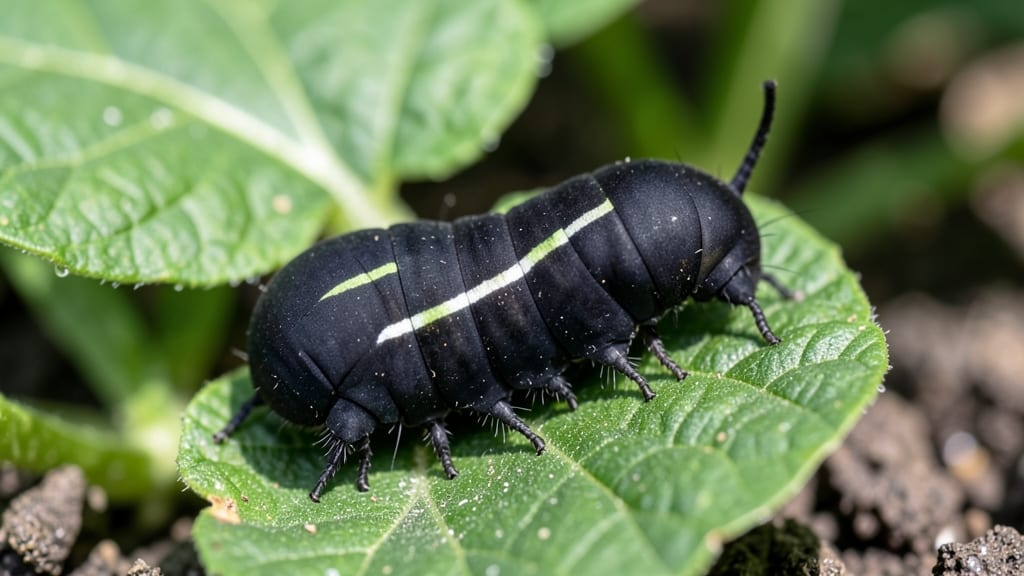
How to get rid of black caterpillars devouring your garden overnight? 🌱 I’ve seen them wipe out entire tomato plants in a single night—and the boiling water trick stopped them in their tracks. These pests—cutworms, loopers, or armyworms—hide under leaves by day, then feast at night. The key is acting fast: a boiling water barrier smothers them instantly while protecting your plants. No harsh chemicals needed, just a pot of water and a steady hand. You’ll spot fewer chewed leaves within 24 hours, and your plants will bounce back stronger. The method works for raised beds, containers, or in-ground gardens alike—just avoid watering nearby plants immediately after. For stubborn infestations, combine this with neem oil or hand-picking at dusk. Here’s exactly how to set up the barrier without harming your garden’s ecosystem.
Why it happens
Encountering black caterpillars in your garden or home isn’t just an annoyance—it’s often a sign of deeper ecological or environmental imbalances. Understanding why these pests appear helps you address the root issue, not just the symptoms.
Below, we break down the most common reasons behind their presence, backed by science and actionable insights.
Black caterpillars, like those from the Lymantria dispar (gypsy moth) or Spodoptera (cutworm) species, thrive on specific host plants. These caterpillars are polyphagous, meaning they’ll munch on a wide range of vegetation, but they often target:
- Young, tender leaves: New growth is packed with nutrients, making it a caterpillar’s favorite snack. 🍃
- Weak or stressed plants: Drought, poor soil, or disease make plants more vulnerable to infestations.
- Common garden staples: Roses, tomatoes, beans, and fruit trees are prime targets.
Why it matters: If your garden is a caterpillar-free zone one year but suddenly overrun the next, check for new plantings or changes in plant health. These pests are opportunistic—they’ll move in when food is abundant.
Caterpillars don’t just appear out of thin air—they hatch from eggs laid by adult moths. Temperature and humidity are the two biggest factors influencing their lifecycle:
| Factor | Ideal Conditions for Egg Hatching | |
|---|---|---|
| Temperature | 60–85°F (15–29°C) | Most moth species lay eggs in spring or fall when nights stay warm. Spodoptera eggs, for example, hatch in 5–10 days if temps are ideal. |
| Humidity | 60%+ moisture | High humidity keeps eggs from drying out. Rainy seasons or poorly drained soil create microclimates perfect for hatching. |
| Rainfall Timing | Light showers after egg-laying | Moisture triggers egg hatching in many species. A sudden downpour can double caterpillar populations overnight. |
Pro tip: If you’ve noticed a spike in caterpillars after warm, rainy nights, the eggs were likely already lurking on leaves or bark. 🌧️🐛
In a healthy ecosystem, caterpillars are kept in check by natural predators. But when these predators disappear—or when caterpillars outbreed their controls—the infestation explodes. Common predators include:
- Birds: Robins, blue jays, and chickadees feast on caterpillars. Pesticides or habitat loss can reduce bird populations by 50% or more.
- Parasitic wasps: Tiny Braconid wasps lay eggs inside caterpillars, killing them from within. These wasps die off with broad-spectrum insecticides.
- Ground beetles and spiders: They hunt caterpillars in the soil or on plants. Compacted soil or chemical treatments can eliminate their habitats.
Why it happens: Modern gardening practices—like overusing pesticides or removing "weeds" (which often host predator-friendly plants)—can disrupt this balance. Without predators, caterpillar populations skyrocket.
Sometimes, black caterpillars hitch a ride or are unintentionally introduced by human actions:
- Firewood or potted plants: Gypsy moth egg masses often hide in stacks of firewood or the undersides of plant pots. A single infested log can release thousands of caterpillars in your yard.
- Travel or shipping: Caterpillars or their eggs can stow away in luggage, mail orders, or even secondhand furniture. Fall armyworms are notorious hitchhikers.
- Monoculture gardening: Planting large patches of a single crop (like corn or soybeans) creates a caterpillar buffet with no natural breaks for predators.
Actionable insight: If you’ve recently moved plants, brought in firewood, or noticed caterpillars indoors, trace their entry point. 🕵️♂️
Quick Fixes for Black Caterpillar Infestations
Black caterpillars—whether they’re pesky tomato hornworms, woolly bears, or other varieties—can turn your garden into a chewed-up disaster. But don’t panic! With the right approach, you can eliminate them fast and prevent future invasions. Below are practical, step-by-step solutions tailored to the most common causes of these uninvited guests.
Black caterpillars love munching on leaves, stems, and fruits. The key? Act fast before they multiply.
🍳 Boiling Water Barrier (Instant Kill)
- Why it works: Caterpillars are soft-bodied and boiling water kills them on contact—no chemicals needed.
- How to do it: 1. Fill a kettle or pot with boiling water (at least 1 gallon).
- Pour it directly over the caterpillar or infested plant area.
- Repeat daily for 3–5 days to ensure all eggs and larvae are gone. - Best for: Small to medium infestations on tomatoes, peppers, or basil.
👨🍳 Handpicking (Best for Small Gardens)
- Why it works: Manual removal is chemical-free and works well for visible caterpillars.
- How to do it: 1. Wear gloves (some caterpillars have irritating hairs). 2. Gently pluck caterpillars off plants and drop them in soapy water (to kill them instantly).
- Check under leaves—they often hide there! - Pro tip: Do this early in the morning when caterpillars are sluggish.
🥘 Neem Oil Spray (Natural Repellent)
- Why it works: Neem oil disrupts caterpillar feeding and repels eggs from hatching.
- How to make it: 1. Mix 1 tbsp neem oil + 1 tsp mild soap + 1 quart water.
- Spray on leaves (avoid flowering plants if bees are active).
- Reapply every 5–7 days or after rain. - Best for: Preventing future infestations.
Some caterpillars lay eggs that overwinter, meaning they’ll be back next year. Break the cycle with these long-term fixes.
🔪 Remove Eggs & Larvae (Preventative Strike)
- Why it works: Many black caterpillars (like hornworms) lay eggs in clusters—destroying them stops the next generation.
- How to do it: 1. Inspect plants regularly (especially undersides of leaves).
- Scrape off eggs with a fingernail or tweezers and drop them in alcohol or soapy water.
- Check garden debris—eggs often hide in old mulch or leaves.
🌡️ Use Row Covers (Physical Barrier)
- Why it works: Lightweight floating row covers block adult moths from laying eggs.
- How to do it: 1. Cover plants with fine mesh netting (like Agribon).
- Secure edges with clips or weights.
- Remove during pollination if needed (or use pollinator-friendly mesh). - Best for: Tomatoes, cabbage, and brassicas (where caterpillars are common).
🎯 Introduce Natural Predators (Eco-Friendly Control)
- Why it works: Birds, parasitic wasps, and ladybugs eat caterpillars naturally.
- How to encourage them:
- Install birdhouses to attract insect-eating birds.
- Plant dill, fennel, or yarrow—these attract beneficial wasps.
- Avoid pesticides (they kill predators too!).
Want to keep black caterpillars away for good? Follow this 5-step routine:
- Inspect plants weekly (especially after rain—moths lay eggs in damp conditions).
- Clean up garden debris (old leaves, mulch, and plant stems harbor eggs).
- Rotate crops (some caterpillars target the same plants yearly).
- Plant repellent herbs like basil, mint, or marigolds near vulnerable plants.
- Use sticky traps for adult moths (place near lights at night).
Final Note: Black caterpillars may be a nuisance, but with boiling water, handpicking, and smart prevention, you can regain control of your garden—without harsh chemicals. Start today, and enjoy pest-free plants tomorrow! 🌱🚫🐛
Frequently asked questions about black caterpillars
Are black caterpillars always harmful to plants?
Not all black caterpillars are destructive! Some, like the woolly bear caterpillar, are harmless and even beneficial as they break down organic matter. However, others like cutworms or hornworms can defoliate plants overnight. Always identify before acting—look for chewing damage or frass (droppings) as clues.
Why do black caterpillars appear suddenly in my garden?
They often arrive in waves because adult moths lay hundreds of eggs at once, which hatch within 5-10 days under ideal conditions (warmth + moisture). A single female moth can create a full-blown infestation—check for egg clusters on leaf undersides or bark if you spot caterpillars unexpectedly.
Can I use vinegar to kill black caterpillars?
Vinegar won’t kill caterpillars directly, but you can use it as a desiccant spray by mixing equal parts vinegar and water. Spray on infested areas—it won’t harm plants but may deter future egg-laying. For immediate results, combine it with neem oil for better efficacy.
How do I know if my plants are recovering after treatment?
Look for new leaf growth and reduced chewing damage within 3-5 days. Healthy plants will also show fewer frass (droppings) and visible caterpillars. If damage continues, check for hidden eggs or reinfestation—some species have multiple generations per season!
Are there any black caterpillars that shouldn’t be removed?
Yes! Some native species like the black swallowtail caterpillar are essential pollinators and beneficial insects. They have distinctive markings (yellow stripes) and feed on carrot family plants. Only remove caterpillars causing visible damage or threatening your garden’s health.