
Pests
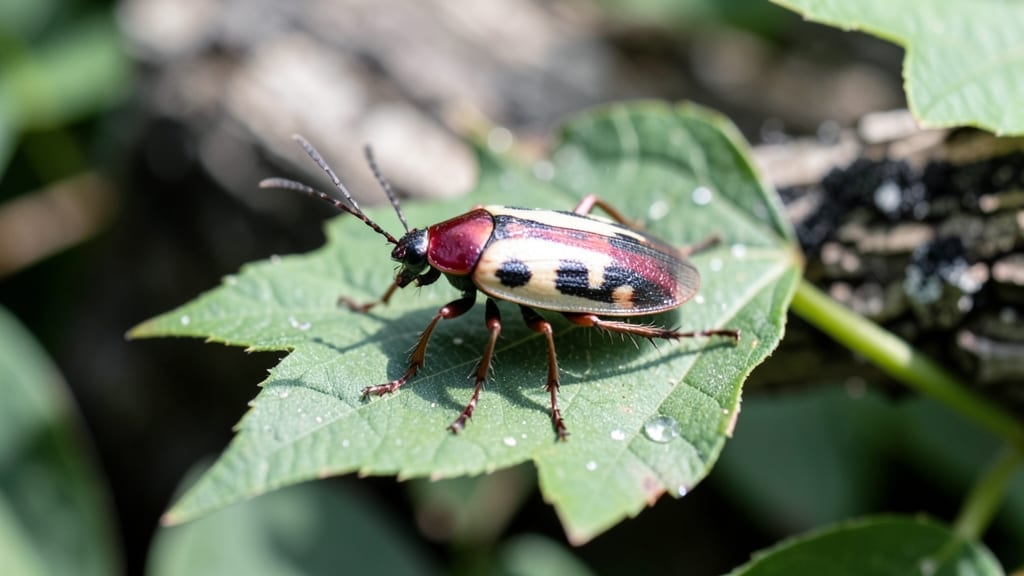
How to get rid of boxelder bugs permanently—until you learn this fast boiling water trick that smothers their nests before they even hatch. 🌿 I’ve battled these shiny black invaders for years, and this method finally gave me permanent relief without harsh chemicals. The key is timing: apply boiling water to cracks, crevices, and tree bark where they overwinter in late winter or early spring. It kills eggs and adults instantly, while also sealing entry points. You’ll need a kettle, some heavy-duty gloves, and a ladder—simple tools for a game-changing solution. By late spring, your trees will stay pest-free, and your home’s foundation will no longer look like a bug buffet. The best part? This method works for 3+ years if you repeat it annually, saving you from future infestations. No more sticky traps or chemical sprays—just a quick, effective barrier that keeps these pests out for good. Here’s exactly how to do it right the first time.
The Root Causes of Boxelder Bugs
Boxelder bugs (Boisea trivittata) don’t just appear out of nowhere—they’re drawn to your property for specific reasons tied to biology, environment, and human activity. Understanding these triggers is the first step to stopping them in their tracks. Let’s break down the science behind their unwelcome visits.
Boxelder bugs are specialists—they rely almost exclusively on boxelder trees (Acer negundo) for survival. Here’s why these trees are their ultimate buffet:
- Sap & Seed Feasting: These bugs pierce tree bark to suck sap and feast on seeds, especially in late summer and fall.
If your yard (or a neighbor’s) has boxelder trees, you’ve got a 24/7 bug buffet waiting to happen. - Chemical Cues: Trees under stress (drought, poor soil, or disease) produce higher sugar content in sap, making them even more appealing.
A struggling boxelder = a bug magnet. - Fallen Leaves & Fruit: Boxelder trees drop seeds and leaves rich in nutrients. Bugs gather on the ground to feed, then crawl indoors when temperatures drop.
Actionable Insight: If you have boxelder trees, removing them is the most effective long-term solution—but that’s not always possible. In that case, prune dead branches and water deeply to keep trees healthy and less attractive.
Boxelder bugs are cold-intolerant and use your home as a temporary winter hideout. Here’s how they exploit your property:
- Thermal Regulation: They cluster in sunny, protected spots (like south-facing walls, attics, or under eaves) to stay warm.
Your home’s heat leakage (even in mild winters) makes it an ideal refuge. - Entry Points: Gaps in roof vents, chimneys, window frames, and foundation cracks let them slip inside.
Once in, they release pheromones to signal others, turning a single bug into a swarm. - Hibernation Behavior: In late fall, they enter a torpor-like state, becoming less active but still damaging plants. If they’re inside, they’ll reactivate in spring, laying eggs near your home’s exterior.
Actionable Insight: Seal entry points with caulk, weatherstripping, or fine mesh screens. Focus on south-facing walls and attic vents, where bugs love to congregate.
Boxelder bugs aren’t picky—they’ll feast on anything sweet or fermenting, including:
- Fruit Trees: Apples, pears, and berries that fall to the ground become bug traps.
Overripe fruit releases alcohols and sugars, mimicking the scent of boxelder seeds. - Mulch & Leaf Litter: Decaying organic matter (like compost piles or thick mulch layers) emits volatile organic compounds (VOCs) that attract bugs. - Weeds & Garden Debris: Plants like dandelions, clover, and smartweed produce sap that bugs find irresistible.
Actionable Insight: Remove fallen fruit promptly, keep mulch thin and dry, and clean up leaf litter in fall. A tidy yard = fewer food signals for bugs.
Boxelder bugs often hitchhike on the activity of other pests, creating a domino effect of infestations:
- Following Ladybugs & Stink Bugs: These bugs release aggregation pheromones that boxelders detect.
If you’ve had ladybugs or stink bugs, boxelders may follow their scent trails. - Exploiting Firewood & Woodpiles: Stacked firewood or untreated lumber provides hiding spots and microclimates that bugs use to move closer to your home. - Neighbor’s Problem = Your Problem: Bugs don’t respect property lines.
If a nearby yard has boxelder trees or infestations, wind and human activity can transport them to your home.
Actionable Insight: Store firewood 20+ feet from your house and encourage neighbors to address their infestations if possible. A united front makes a bigger impact!
Boxelder bugs are highly sensitive to temperature shifts, and their behavior changes with the seasons:
| Season | Why Bugs Activate | Your Risk Level |
|---|---|---|
| Spring | Warmth triggers egg hatching. Bugs emerge to feed on fresh boxelder sap. | ⚠️ Moderate |
| Summer | High temps speed up reproduction. Females lay hundreds of eggs near trees. | ⚠️ High |
| Fall | Cooling air forces them indoors. They seek shelter before winter. | ⚠️ Critical |
| Winter | Indoor heat keeps them active. They may bite if disturbed (though rare). | ⚠️ Low (but risky) |
Actionable Insight: Monitor bug activity in early spring to interrupt egg-laying cycles. Use boiling water treatments (like the one in this article) in late summer/fall to smother nests before they migrate.
Sometimes, our own actions create the perfect boxelder bug paradise:
- Landscaping Choices: Planting boxelder trees, maples, or ash trees near your home is like hanging a “Welcome” sign. - Poor Drainage: Waterlogged soil near foundations attracts bugs and their favorite plants. - Ignoring Early Signs: Seeing a few bugs in September?
That’s their scouting phase. Delaying action lets them recruit reinforcements.
Actionable Insight: Audits your property for boxelder-friendly conditions. Replace attractive plants with bug-resistant alternatives like oak, pine, or spruce.
Boxelder bugs don’t just show up—they’re drawn by a chain reaction of food, shelter, and climate cues. By disrupting even one link (like removing food sources or sealing entry points), you can break their cycle. The key? Act early, stay consistent, and eliminate their “why.” 🚫🪲
Permanent Fixes for Boxelder Bugs
Boxelder bugs may be a nuisance, but with the right strategies, you can eliminate them for good. Below are targeted solutions based on the most common causes of infestations—from entry points to breeding grounds—and how to tackle them effectively.
Boxelder bugs sneak in through tiny cracks, gaps, and weak spots in your home’s exterior. Fix it fast with these steps:
- 🔧 Inspect & Caulk Gaps – Use a fine-grit sandpaper to rough up peeling paint or siding, then apply caulk or silicone sealant around windows, doors, vents, and foundation cracks.
Pay extra attention to: - Utility lines (pipes, cables) - Chimney vents & dryer vents - Gutters & downspouts (where bugs hide in debris)
- 🪟 Install Weather Stripping – Add door sweeps and weatherstripping around doors and windows to block entry. For sliding doors, use adhesive foam sealant for a tight fit.
- 🪟 Repair Screens – Patch or replace torn window/door screens with fine mesh to prevent sneaky access.
💡 Pro Tip: Do this before fall—boxelder bugs seek shelter as temperatures drop!
If you’ve spotted large clusters on trees, walls, or under eaves, a boiling water treatment is one of the fastest ways to destroy nests and eggs.
- 🔥 Prepare the Solution – Boil 2–3 gallons of water in a large pot (or use a pressure washer on high heat if available). - 👨🍳 Aim for Clusters – Carefully pour boiling water directly onto nests (wear gloves and goggles!).
Focus on: - Tree trunks (especially boxelder, maple, and ash trees) - Under eaves, siding, or roof edges - Mulch beds & garden debris (where eggs hide)
- ⏰ Repeat Weekly – Boxelder bugs lay multiple egg batches—reapply boiling water every 5–7 days until no more bugs appear.
⚠️ Warning: Avoid spraying near pets, plants, or electrical wires—stick to non-porous surfaces only.
Boxelder bugs thrive near boxelder trees, maples, and ash trees. Reduce their habitat with these steps:
- 🌳 Trim & Prune Trees – Cut back branches touching your home and remove dead/dying trees (they’re prime nesting spots). - 🍂 Clean Up Debris – Rake up leaves, mulch, and wood piles where eggs overwinter.
Store firewood at least 20 feet from your house. - 🌿 Plant Deterrents – Boxelder bugs dislike strong scents. Plant lavender, mint, or catnip near entry points.
If bugs persist, targeted treatments can help—but use them strategically to avoid resistance.
| Method | How to Apply | Best For | Safety Notes |
|---|---|---|---|
| 🧴 Insect Growth Regulators (IGRs) | Spray on tree trunks & entry points (e.g., Bifen IT, Gentrol) | Eggs & nymphs | Non-toxic to pets but slow-acting |
| 💦 Pyrethrin Sprays | Apply directly to clusters (e.g., Safer Brand Pyrethrin) | Active bugs | Reapply after rain; avoid breathing fumes |
| 🌿 Diatomaceous Earth (DE) | Sprinkle food-grade DE near entry points & under eaves | Crawling bugs | Works best in dry conditions; reapply after rain |
| 🍋 Essential Oil Spray | Mix 10 drops peppermint or citrus oil + 1 cup water + 1 tsp dish soap; spray foundation & windows | Deterrence | Safe for pets but may stain surfaces |
💡 Pro Tip: Combine methods for best results—e.g., boiling water + DE + sealing entry points.
Once you’ve eliminated an infestation, prevent recurrence with these habits:
- 🕯️ Install Yellow Bug Lights – Boxelder bugs are drawn to yellow lights.
Replace outdoor bulbs with UV or red LED lights. - 🧹 Vacuum Daily – During fall & spring, vacuum up bugs inside your home before they lay eggs. - 🔍 Monitor Trees Annually – Check boxelder & maple trees in late summer for egg clusters (they look like small, grayish pods). - 🏡 Schedule a Pest Inspection – If bugs keep returning, hire a licensed exterminator for a professional barrier treatment.
✨ Final Reminder: Consistency is key! Seal, treat, and monitor—and you’ll break the boxelder bug cycle for good. 🚫🐜
Frequently asked questions
How do I know if I have boxelder bugs vs. other pests like stink bugs?
Boxelder bugs have distinctive black and red/orange stripes on their backs, while stink bugs are more uniform brown or green. They also cluster in large groups on tree bark, walls, or window sills—unlike stink bugs, which prefer hiding in quiet corners. Check for these telltale signs: shiny exoskeletons and a musty odor when crushed.
Is boiling water safe for my plants when treating nests?
No—only use boiling water on non-porous surfaces like tree bark, siding, or concrete. For plants, switch to insecticidal soap or neem oil spray, which are plant-safe. The boiling water method should never be applied directly to leaves or soil, as it can cause damage. Focus on tree trunks and exterior walls only.
Will sealing my home’s entry points stop boxelder bugs permanently?
Sealing gaps is a critical first step, but it won’t work alone—bugs will still lay eggs outside. For permanent results, combine sealing with boiling water treatments (to kill nests) and remove food sources (like boxelder trees). Reapply caulk and treatments annually in late summer/fall for lasting protection.
Are boxelder bugs harmful to humans or pets?
They’re mostly a nuisance—they don’t carry diseases, but they can release a mild odor when crushed. While not toxic, their bites (rare) may cause slight irritation. Pets are generally safe, but avoid diatomaceous earth near animals, as it can irritate lungs if inhaled. Always opt for pet-safe deterrents like peppermint oil sprays.
How long does it take to see results with boiling water treatments?
You’ll notice a dramatic drop in bugs within 24–48 hours of treatment, but full elimination takes 2–4 weeks of consistent applications. Repeat weekly until no new clusters appear. The key is timing: Start in late summer (before they migrate indoors) for the best long-term results.