
Pests
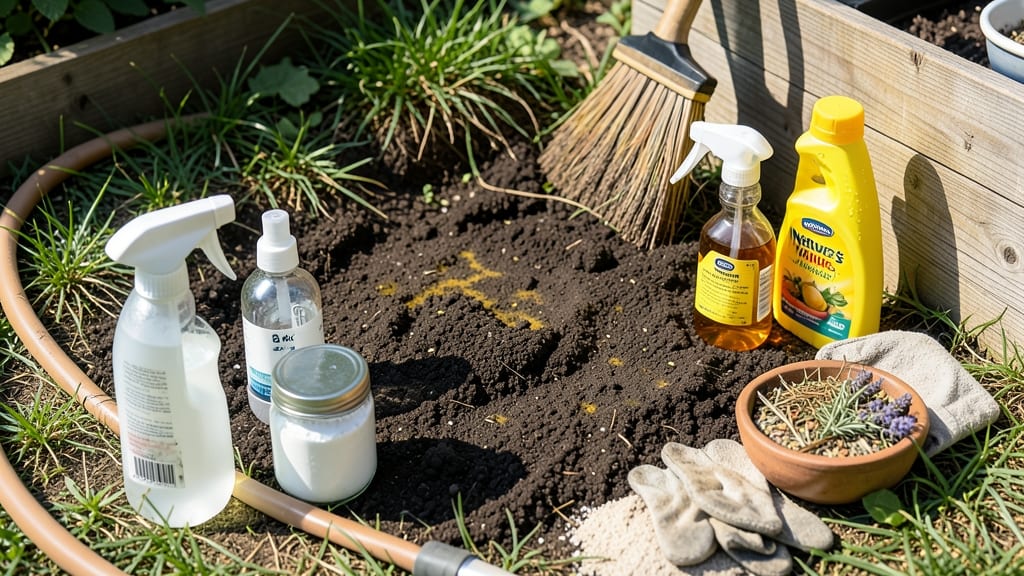
How to get rid of cat urine smell outside naturally—vinegar and baking soda are your secret weapons. That stink from cat urine can turn your garden into a skunk’s perfume factory. 🌱 The vinegar-baking soda combo doesn’t just mask the smell—it breaks down the odor-causing compounds at the source, and you can do it in under 10 minutes without harming plants or soil. Most people grab commercial cleaners that just cover up the stench, but those chemicals linger and can even attract cats back to mark the same spot. This natural blend works because vinegar neutralizes the acid in urine while baking soda absorbs the moisture and odor molecules. It's safe for pets to return to the area once dry, and your garden stays chemical-free. You'll need equal parts white vinegar and water, plus a sprinkle of baking soda—just mix, spray, and let it sit before rinsing. The result? A fresh-smelling garden where your cats won't feel the need to "remind" you they own the place. Works on soil, mulch, or hard surfaces like patio stones. Here's how to apply it without disturbing your plants or compacting the soil.
📚 In This Guide
- What you need
- Instructions
- Tips and common mistakes
- Wrapping up and next steps
What you need
- ● White vinegar – 1 gallon (or enough to cover the affected area generously). Why? Vinegar neutralizes odors and breaks down uric acid crystals.
- ● Baking soda – 1–2 cups (unscented, to avoid masking the smell with artificial fragrances). Pro tip: Use fine-grit baking soda for better absorption!
- ● Water – 1–2 gallons (for mixing and rinsing). Tip: Use warm water to enhance cleaning power.
- ● Spray bottle – 1–2 (16–32 oz) with a fine mist nozzle for even application.
- ● Scrub brush – 1 (stiff-bristled for concrete/porous surfaces, soft for delicate areas like plants or wood).
- ● Gloves – 1 pair (rubber or nitrile to protect your hands from vinegar and bacteria).
- ● Paper towels or rags – 2–3 (for blotting and wiping).
- ● Enzyme cleaner – 1 bottle (pet-safe, like Nature’s Miracle or Rocco & Roxie). When to use: For stubborn stains after vinegar/baking soda treatment.
- ● Garden hose with spray nozzle – For rinsing large outdoor areas (e.g., patios or driveways).
- ● Plastic sheet or tarp – To protect nearby plants or grass while treating.
- ○ Essential oils (optional) – 5–10 drops (e.g., lemon, lavender, or tea tree oil) to add a fresh scent after the smell is gone. Caution: Avoid citrus oils on porous surfaces like stone.
Step-by-Step instructions for eliminating cat urine smell outside naturally
Here's the proven method that cuts through odors fast without harsh chemicals.
🌿 Step 1: Clear the Area and Identify the Source
Start by removing any debris or leaves from the affected area. Cats often return to the same spot, so you'll want a clean, visible surface to work with. Use a stiff brush or rake to clear away loose soil or mulch where the urine soaked in. This ensures your treatment reaches the smell source directly.
Look for darker patches in the grass or soil—these mark where the urine saturated. If the area is on concrete or pavement, you'll see yellowish stains that need special attention. Mark the boundaries with small sticks or chalk if the spot is large, so you don't miss any sections during treatment.
💧 Step 2: Apply White Vinegar for Immediate Odor Breakdown
Fill a spray bottle with undiluted white vinegar and saturate the affected area completely. Vinegar's acetic acid neutralizes the ammonia in cat urine, which is what causes that pungent smell. Spray until the soil or surface looks damp but not soggy—you want the vinegar to penetrate without running off.
Let it sit for 10-15 minutes. You'll notice the smell shift from sharp to tangy as the vinegar works. Avoid breathing deeply during this time—the vinegar fumes are strong, but they're far less toxic than the cat urine. If the area is large, apply vinegar in sections to avoid missing spots.
✂️ Step 3: Sprinkle Baking Soda and Scrub In
After the vinegar has had time to work, sprinkle a thick layer of baking soda over the entire treated area. The baking soda will absorb any remaining moisture and neutralize lingering odors. For grassy areas, use about ½ cup per square foot. For concrete or pavement, a light dusting is enough—too much will create a slip hazard.
Use a stiff-bristled brush or broom to work the baking soda into the soil or surface. Scrubbing helps it penetrate deeper and ensures even coverage. If the area is on grass, you can gently rake the baking soda into the soil. For hard surfaces, a push broom works best to avoid scratching.
☀️ Step 4: Rinse and Monitor for Recurrence
After 30 minutes, rinse the area with water using a hose or watering can. For grass, let the water soak in naturally—don't blast it, or you'll disturb the soil. For concrete or pavement, a gentle spray will lift any remaining baking soda residue. The goal is to leave the area clean but not waterlogged.
Watch the spot for 24-48 hours to ensure the smell doesn't return. If you notice any lingering odor, repeat the vinegar and baking soda treatment. Cats often avoid areas that smell strongly of vinegar, so this method also helps deter them from returning to the same spot.
🪴 Step 5: Prevent Future Odors with Natural Deterrents
Once the smell is gone, place citrus peels or coffee grounds around the area as a natural deterrent. Cats dislike these scents, and they'll help keep them away. Refresh the deterrents every 3-4 days or after rain. For grassy areas, sprinkle dried herbs like rosemary or lavender—their strong fragrance masks urine smells and repels cats.
If the problem persists, consider planting cat-repellent herbs like catnip (ironically, cats avoid it after initial interest) or valerian around the perimeter. These plants release scents that cats find unpleasant, creating a natural barrier. Water the area lightly after applying deterrents to help them settle into the soil.
Tips & tricks for eliminating cat urine smell naturally
These simple tricks will help you tackle stubborn odors and prevent them from coming back.
Vinegar Application Tip: When you're spraying the undiluted white vinegar in Step 2, work in small sections if the area is large. This ensures you don't miss any spots and gives the vinegar time to fully penetrate the soil or surface. The 10-15 minute wait is crucial—don't rush this step! You'll know it's working when the sharp cat urine smell starts to fade and you're left with that familiar vinegar tang.
Baking Soda Quantity Check: For grassy areas, measure out exactly ½ cup of baking soda per square foot—don't eyeball it. Too little won't neutralize the odors completely, while too much can create a slippery mess on hard surfaces. After sprinkling, use a broom to gently press it into the soil or cracks in pavement. This helps it work deeper where the smell is strongest.
Monitoring After Treatment: The 24-48 hour monitoring period in Step 4 is your chance to catch any lingering smells before they become permanent. If you notice any odor returning, repeat the vinegar and baking soda treatment immediately. This two-step combo is your secret weapon against stubborn cat urine odors that commercial products often miss.
Natural Deterrent Placement: When placing citrus peels or coffee grounds as deterrents in Step 5, arrange them in a small circle around the treated area rather than scattering them randomly. This creates a clear boundary that cats will recognize and avoid. Refresh these deterrents every 3-4 days or after rain to maintain their effectiveness.
Pro Tips for Get Rid Of Cat Urine Smell Outside Naturally
- These simple tricks will help you tackle stubborn odors and prevent them from coming back.
- Vinegar Application Tip: When you're spraying the undiluted white vinegar in Step 2, work in small sections if the area is large.
- Baking Soda Quantity Check: For grassy areas, measure out exactly ½ cup of baking soda per square foot—don't eyeball it.
Frequently asked questions
Got questions about tackling cat urine smells outside your home?
You’re not alone—this stinky problem can be tricky! Below, we’ve rounded up the most common questions and straightforward answers to help you banish that odor for good.
How long does it take for natural remedies to work on cat urine smell?
Most natural solutions like the vinegar-baking soda blend start working within 10-15 minutes when applied directly to the area. However, deep-set odors may require 24-48 hours for full elimination, especially if the urine has soaked into porous surfaces like grass or concrete. Reapply if needed!
Will vinegar damage plants or grass if I use it near my garden?
Vinegar is mildly acidic and generally safe for most plants in diluted form (1:1 with water). However, avoid spraying it directly on flowers or delicate foliage—stick to grassy areas or hard surfaces. For extra safety, test a small patch first or opt for baking soda alone on garden beds.
What if it rains right after I treat the area?
Don’t worry! Rain can dilute natural solutions, but reapply the vinegar-baking soda mix once the area dries. For stubborn smells, add a pet-safe enzymatic cleaner (like hydrogen peroxide + dish soap) to break down urine proteins faster. A quick rinse with water afterward helps lock in the freshness.
Why does the smell keep coming back even after I clean?
Recurring odors often mean the urine hasn’t been fully neutralized. Try these fixes:
- Dig deeper if the smell is near a burrow or favorite scratching spot—cat urine crystals can linger underground.
- Use a pet-safe odor absorber like activated charcoal or catnip (cats love it, and it masks smells!).
- Check for new urine spots—cats may return to the same area if they sense lingering scent.
Are there any natural alternatives if I don’t have vinegar or baking soda?
Try these DIY swaps:
- Lemon juice + salt: Sprinkle salt on the area, spray with lemon juice, and scrub. The citric acid helps break down odors.
- Hydrogen peroxide (3%) + dish soap: Mix 1 cup peroxide with 1 tsp soap, spray, and let sit for 10 minutes before rinsing.
- Cornstarch or kitty litter: Cover the area with a layer, let sit for a few hours, then sweep away—absorbs moisture and neutralizes smells.
Pro tip: Always test alternatives on a small area first to avoid discoloration (especially on fabrics or painted surfaces).
Wrapping up and next steps
Getting rid of cat urine smell outside doesn’t have to be a tough battle—with the right natural blend of vinegar and baking soda, you can freshen up your yard in minutes! 🌿 These simple, pet-safe ingredients break down odors effectively while keeping your outdoor space clean and inviting.
Whether you’re dealing with a stubborn patch or routine maintenance, consistency is key.
Ready to reclaim your outdoor space? Start small—test the blend on a hidden area first, then tackle larger spots with confidence. Your yard (and your nose!) will thank you. Happy cleaning! 🎉