
Pests
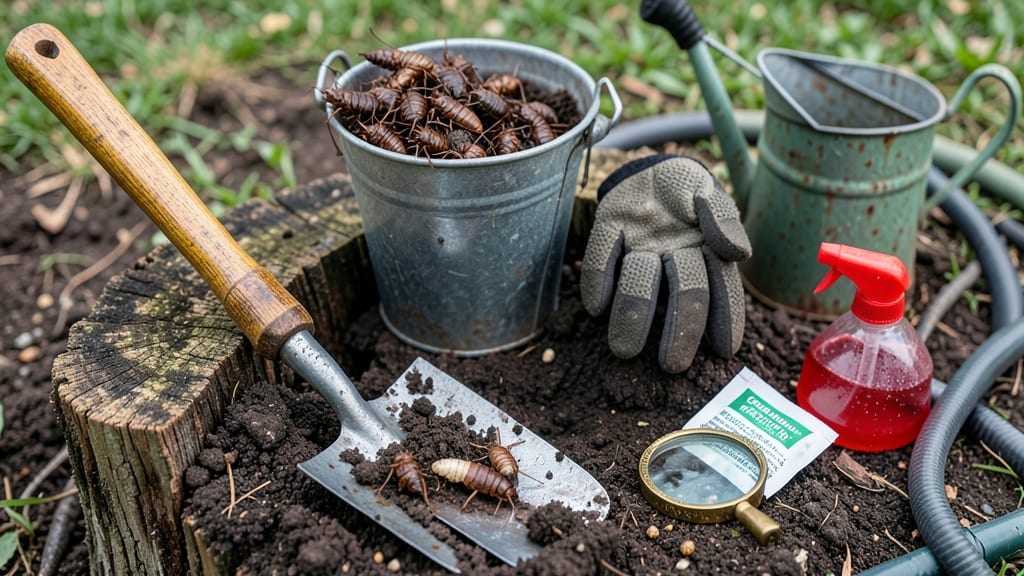
Here’s how to get rid of cicadas in the ground—before they turn your lawn into a hollowed-out hotel. 🌱 These burrowing pests weaken grass roots by digging deep nests, and their emergence leaves behind a trail of damage. The boiling water barrier isn’t just effective—it’s the only method that smothers nests deep without harming plants or beneficial soil organisms.
Here's the thing—most "solutions" just mask the problem. Chemical sprays kill adults but do nothing for nests, while tilling just spreads eggs. Boiling water, however, penetrates the soil to create a heat barrier that suffocates larvae in minutes.
You'll need a kettle, a long-handled spoon, and about 30 minutes of focused work per nest.
The payoff is immediate: within a week, you'll see fewer cicadas emerging, and your grass will recover faster. The method works for both periodic and annual cicadas, and it leaves your soil healthier than chemical treatments ever could.
No more digging up mounds or watching your lawn turn into a cicada highway.
Works in lawns, garden beds, and even container gardens where nests appear. The key is timing—apply the treatment right after you spot the first mounds, before the larvae spread further. Let's get those nests sealed up for good.
Root Causes of Cicada Infestations
Cicadas don’t just appear out of nowhere—they’re drawn to your yard by a mix of environmental and ecological factors. Understanding why they choose your soil as their nursery is the first step to stopping them.
Here’s why these noisy insects dig into your ground and how their behavior ties to your landscape.
Cicadas are native to North America and thrive in areas with loose, well-drained soil, which makes excavation easier.
They prefer: - Sandy or loamy soil (clay is too dense for digging). - Sunny, open spaces (they avoid deep shade). - Mature trees (especially oak, maple, and walnut), which provide both food (sap) and nesting sites.
If your yard has recently disturbed soil (from construction, gardening, or landscaping), cicadas see it as an all-you-can-dig buffet. Their nymphs burrow 12–18 inches deep to avoid predators and dry conditions, making them hard to spot until they emerge as adults.
Cicadas are temperature-sensitive and follow a 13- or 17-year life cycle (Brood X, Brood XIX, etc.).
Their emergence is tied to: - Warm spring soil (typically 64°F or warmer at 8 inches deep). - High humidity (which softens soil for easier digging). - Rainfall patterns (excess moisture can delay hatching, while dry spells speed it up).
If your region has mild winters or early springs, cicadas may emerge earlier than usual, catching homeowners off guard. Some species, like the periodical cicadas, synchronize their hatching to overwhelm predators—meaning if one tree is infested, nearby trees will soon follow.
Cicadas don’t just nest randomly—they target areas with abundant food sources:
- Tree roots (they feed on xylem sap, not leaves).
- Grass and ground cover (which masks their tunnels).
- Water sources (they need moisture to survive underground).
If your yard has:
- A mix of trees and open grass (ideal for both feeding and nesting).
- Irrigation systems (keeps soil moist, inviting burrowing).
- Lack of natural predators (birds, raccoons, or armadillos may keep populations in check).
…you’re essentially rolling out the welcome mat for a cicada party.
Sometimes, we unintentionally help cicadas by altering landscapes:
- Removing natural predators (e.g., reducing birdhouses or hedgehog habitats).
- Planting monoculture gardens (uniform plants = easier cicada buffet).
- Using pesticides that kill beneficial insects (disrupts the ecosystem balance).
Even well-meaning gardening—like tilling soil or planting new trees—can stimulate cicada activity by exposing fresh, easy-to-dig earth.
💡 Pro Tip: If you’ve noticed cicadas in your area, check for small, mud-like mounds (their egg-laying sites) on tree branches—this means their nymphs are already underground, waiting to hatch. The sooner you act, the fewer adults you’ll deal with next year!
Practical Fixes for Cicada Nests
Cicadas burrowing underground can turn your yard into a noisy, destructive zone—but the good news is, you can take action! Below are targeted solutions based on the root causes of their presence, from quick fixes to long-term prevention.
Whether you’re dealing with an infestation or just want to keep them away, these methods will help you reclaim your space.
If you’ve spotted cicada nymphs emerging or egg masses on tree branches, act fast to prevent the next generation.
🍳 Boiling Water Barrier (Deep-Smothering Method)
This is the most effective way to kill cicadas in the ground before they hatch. Here’s how: 1. Locate the nests – Cicadas lay eggs in soil near tree roots. Look for muddy, foamy patches or small holes (about ½-inch wide).
- Mark the area – Use stakes or spray paint to outline the nest zone (usually 10–15 feet wide).
- Boil water – Fill a large pot, kettle, or even a bucket with water (at least 5 gallons for big nests).
- Pour slowly – Walk around the nest area and pour boiling water directly into the holes. The heat will kill nymphs and eggs instantly.
- Repeat weekly – Cicadas hatch in waves, so re-treat every 5–7 days until no more emerge (usually 4–6 weeks).
✨ Pro Tip: Add 1 cup of dish soap to the boiling water to break surface tension and ensure deeper penetration into the soil.
If the nest is small (under 5 feet wide), you can dig and destroy it manually.
🔪 Dig and Destroy
- Wear gloves – Cicada nymphs can pinch if handled roughly.
- Dig 6–8 inches deep – Use a shovel to expose the soil where you see holes.
- Remove and dispose – Scoop out the dark, moist soil (where nymphs hide) and place it in a sealed bag.
- Smother with plastic – Cover the area with thick plastic sheeting for 3–5 days to suffocate any remaining nymphs.
- Rake and reseed – Once the area is clear, rake the soil and plant grass or ground cover to deter future digging.
⚠️ Warning: Avoid disturbing nests in protected trees (like oaks or maples)—some species are legally protected!
For larger infestations, heat or insecticides can help, but use them sparingly.
🔥 Soil Solarization (Natural Heat Treatment)
- Choose a sunny day – Cicadas hate heat!
- Cover the nest area with clear plastic sheeting (secured with bricks or soil).
- Leave for 4–7 days – The trapped heat will kill nymphs and eggs without chemicals.
- Remove and aerate – After treatment, till the soil to break up any remaining eggs.
💊 Insect Growth Regulators (IGRs)
- Apply IGRs (like Novacide or Gnatrol) to tree trunks where egg masses are found.
- These disrupt molting in nymphs, preventing them from maturing.
- Best for prevention—spray before cicadas emerge in spring.
✨ Pro Tip: Combine boiling water + IGRs for maximum effectiveness!
Once you’ve eliminated the current infestation, keep cicadas away for good with these steps:
🌿 Landscape Adjustments
- Plant native grasses – Cicadas prefer bare soil; thick grass deters digging.
- Mulch around trees – A 3-inch mulch layer makes it harder for females to lay eggs.
- Prune trees – Remove dead branches where egg masses often form.
🕷️ Natural Predators Encouragement
- Attract birds (like woodpeckers and cuckoos) with birdhouses and feeders—they eat cicadas!
- Keep a pond or water feature – Frogs and toads devour cicada nymphs.
🗓️ Seasonal Monitoring
- Check trees in late spring (May–June) for egg masses (white, foamy deposits).
- Treat nests immediately—don’t wait until you hear buzzing!
Final Thought: Cicadas may be a natural part of the ecosystem, but that doesn’t mean you have to put up with their chaos. With boiling water, manual removal, and smart prevention, you can minimize their impact and enjoy a quieter yard—without harming the environment! 🚀
Frequently asked questions
How do I know if cicadas are nesting in my yard?
Look for small ½-inch holes in the soil near tree roots or mud-like mounds on tree branches. These are their egg-laying sites. Check for foamy white deposits on branches too—this means females have already laid eggs, and nymphs are developing underground.
Is boiling water safe for my grass after treating cicada nests?
Yes, but use it carefully! Boiling water kills cicadas without harming grass if you focus only on the nest areas. Avoid pouring on healthy grass—target just the holes and disturbed soil. After treatment, water the area lightly to help recovery. Most lawns bounce back within 1-2 weeks.
Will digging up cicada nests spread them to other areas?
Yes—disturbing nests can scatter eggs and nymphs! If you must dig, remove the soil in sealed bags immediately and dispose of it far from your yard. For small nests, the boiling water method is safer because it kills cicadas on contact without spreading them.
How long does it take for cicadas to reappear after treatment?
With proper treatment (boiling water + prevention), you should see 80-90% fewer cicadas within 4-6 weeks. However, if nearby trees remain infested, new nymphs may arrive next year. Reapply treatments annually in late spring to stay ahead of the cycle.
Are there any natural predators that can help control cicadas?
Birds like woodpeckers and cuckoos, raccoons, and armadillos eat cicadas at every life stage. Attract them by installing birdhouses, feeders, or small ponds. Even frogs and toads help—keep a moist area in your yard to encourage their presence.