
How To
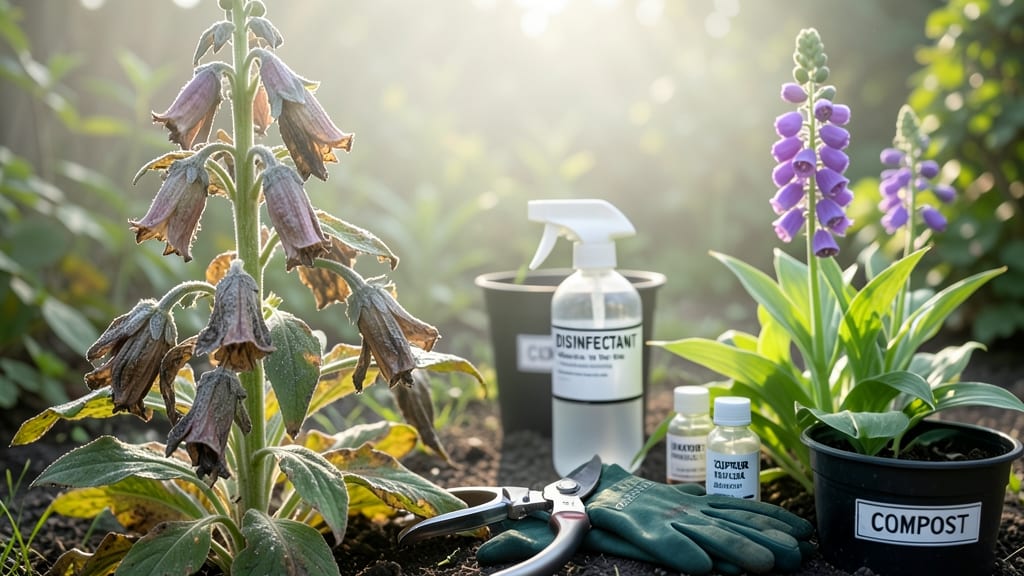
Struggling with how to get rid of dead man’s fingers fungus in your garden? 🌱 Those blackened, finger-like growths are a telltale sign of this stubborn fungus—and boiling water is the fastest way to eliminate it before it spreads further.
I’ve seen this invader ruin mulch beds and stumps, but a simple barrier treatment smothers it effectively.
The fungus thrives on decaying wood and organic matter, so removing infected debris is step one. Once cleared, pour boiling water directly along the perimeter of affected areas—it kills spores on contact.
For stubborn cases, repeat weekly until no new growth appears. No harsh chemicals needed; this method works fast and safely.
You’ll notice a dramatic difference within days: no more blackened fingers sprouting, and your mulch or wood chips will look clean again. The key is acting early—once it spreads, removal becomes labor-intensive. This technique also prevents future outbreaks in the same spot.
For stubborn infestations or large areas, consider a vinegar solution (1:1 ratio) as a follow-up. Always wear gloves when handling infected debris, and dispose of it in sealed bags. Prevention is easier than cleanup—keep garden beds clear of decaying wood to avoid repeat visits.
Root Causes Of Dead Man’s Fingers
Dead Man’s Fingers fungus (Xylaria polymorpha) thrives in specific conditions, often popping up where you’d least expect it—like mulch, wood chips, or even your garden soil. Understanding why it appears helps you stop it before it spreads. Here’s a breakdown of the key culprits:
This fungus loves decaying wood and rich, moist organic matter. If your garden, mulch beds, or compost piles contain:
- Untreated wood chips or bark mulch – These provide the perfect food source for Xylaria spores to colonize.
- Leaves, twigs, or dead plant material – A thick layer of decomposing plant debris creates the ideal humid, shaded environment for fungal growth.
- Overly fertile or nitrogen-rich soil – While plants need nutrients, excessive organic matter (like compost or manure) can overfeed the fungus instead.
Why it matters: The fungus breaks down lignin and cellulose in wood, so the more dead plant material present, the more it spreads. If your garden looks like a compost heap, Dead Man’s Fingers will move in.
This fungus is a water lover. It needs consistent moisture to germinate and grow, which is why it often appears after:
- Heavy rainfall or overwatering – Soggy mulch or waterlogged soil keeps spores active and encourages fungal growth.
- Shady, damp areas – Fungal spores thrive in low-light conditions where air circulation is poor (think under dense shrubs or against fences).
- Poor drainage – If water pools around tree bases or garden beds, it creates a fungal paradise.
Science behind it: The fungus’s black, finger-like structures (stromata) form in response to high humidity. Without sunlight and airflow, spores don’t dry out and remain viable for years.
Dead Man’s Fingers often targets stressed or dying trees, especially:
- Oak, maple, or fruit trees – These trees naturally contain high levels of tannins and sugars, which the fungus feeds on.
- Recently pruned or injured trees – Open wounds provide entry points for spores to infect the wood.
- Plants suffering from drought or disease – Weakened roots can’t fight off fungal invaders as effectively.
How it works: The fungus enters through cracks or wounds, then releases enzymes to decompose the wood. While it rarely kills healthy trees, it can weaken them over time, making them more susceptible to other pests or diseases.
Fungal spores are tiny but mighty—they can hitchhike on:
- Gardening tools – Pruners, shovels, or rakes used on infected wood can transfer spores to new areas.
- Mulch or compost from infected sites – Even "sterilized" wood chips may still harbor dormant spores.
- Wind or water flow – Spores can travel short distances, especially in rainy or windy conditions.
Prevention tip: Always clean tools with rubbing alcohol after use and avoid moving mulch from areas where Dead Man’s Fingers has appeared.
This fungus doesn’t like extremes. It prefers:
- Moderate temperatures (60–80°F / 15–27°C) – Too hot or too cold slows its growth, but within this range, it thrives.
- Consistent humidity – Spores need steady moisture to germinate, which is why it’s rare in dry climates.
Key insight: If you live in a warm, humid region (like the Southeast U.S.), your risk of Dead Man’s Fingers is higher. In cooler climates, it may lie dormant until conditions improve.
How to Fix Dead Man's Fingers Fast
Now that you know why this pesky fungus thrives, let’s tackle it head-on with practical, fast-acting solutions tailored to the root causes. Whether it’s moisture, poor airflow, or organic buildup, these fixes will smother growth and keep your lawn (or garden) fungus-free for good.
Dead Man’s Fingers (Xylaria polymorpha) loves damp, shaded spots—so heat shock is your secret weapon. This method works in minutes and creates a natural barrier that chokes off the fungus.
🍳 Step-by-Step Boiling Water Treatment
- Boil 1 gallon of water (or more for large patches) until it’s rolling hot—this kills spores on contact.
- Pour directly over the fungus (wear gloves!). The steam instantly cooks the mycelium and disrupts its food source.
- Repeat every 3–5 days for 2 weeks to starve lingering spores. (Pro tip: 💡 Add 1 tbsp of vinegar to the water for extra antifungal power!)
✅ Why it works: High heat denatures proteins in fungal cells, while the moisture barrier cuts off oxygen—double whammy!
Fungus thrives in shady, soggy conditions. Fix these environmental triggers to stop regrowth:
| Problem | Fix It With | How to Do It |
|---|---|---|
| Overwatering | Reduce frequency | Water deeply but less often (early morning only). Use a moisture meter to check soil. |
| Poor drainage | Improve soil structure | Mix in compost or perlite to aerate heavy clay soil. Avoid compacting the area. |
| Thick mulch/shade | Thin mulch, prune plants | Keep mulch 2–3 inches deep and trim overhanging branches to let sunlight in. |
| Organic debris buildup | Clear leaves/litter | Rake away fallen leaves, twigs, and thatch—fungus feasts on decaying matter! |
🔥 Bonus: Sprinkle dry lime or diatomaceous earth (food-grade!) around treated areas to repel moisture and spores.
If boiling water alone isn’t enough, these non-toxic sprays will finish the job:
- 🍋 Hydrogen Peroxide (3%)
- Mix 1 part peroxide + 3 parts water in a spray bottle.
- Apply directly to the fungus every 4–5 days until gone.
- Why? Oxygen bubbles burst fungal cell walls.
- 🌿 Neem Oil Spray
- Combine 1 tbsp neem oil + 1 tsp dish soap + 1 quart water.
- Spray evening (avoid direct sun) and repeat weekly.
- Why? Disrupts fungal spore germination.
- 🧂 Baking Soda Solution
- Dissolve 1 tbsp baking soda + 1 tsp oil (to stick) + 1 gallon water.
- Lightly spray fungus and surrounding soil—safe for plants!
- Why? Raises pH, making it hostile for fungi.
Once you’ve eliminated Dead Man’s Fingers, keep it from coming back with these proactive habits:
- 🌞 Sunlight Strategy: Plant sun-loving grasses (like fescue or zoysia) in shady areas to outcompete fungus. - 🌱 Soil Health: Add mycorrhizal fungi (beneficial types) to crowd out the bad guys naturally. - 🚫 Avoid Nitrogen Overload: Too much fertilizer = soft, fungus-friendly grass.
Use a balanced 10-10-10 instead. - 🔄 Seasonal Checkups: Inspect your lawn spring and fall (peak fungus seasons) and prune overgrown plants.
If the fungus spreads aggressively (covering square feet) or keeps returning despite treatment, it might be time to consult a local arborist or lawn care specialist.
They can assess: - Soil pH imbalances (fungus loves acidic soil). - Hidden root issues (like girdling roots blocking drainage). - Chemical treatments (if natural methods fail).
Frequently asked questions
Why does Dead Man's Fingers fungus keep coming back after treatment?
This fungus thrives on decaying wood and moisture, so it often returns if the root causes aren't addressed. After treating with boiling water, remove all infected wood chips or mulch and replace with fresh, dry materials. Also check for poor drainage or excessive shade that keeps the area damp. Repeat treatments every 3-5 days for 2 weeks to fully starve any remaining spores.
Can I use vinegar to kill Dead Man's Fingers fungus?
Yes! A 1:1 vinegar and water solution works well as both a treatment and preventive measure. The acidity disrupts fungal cell walls. For stubborn cases, spray directly on the fungus and surrounding area, then repeat weekly. Just avoid using it on plants sensitive to acidity, like azaleas or blueberries. For extra power, add 1 tablespoon of vinegar to boiling water when treating.
Is Dead Man's Fingers dangerous to humans or pets?
No, this fungus is not toxic to humans or pets. While it looks alarming, it's harmless to touch or ingest. However, always wear gloves when handling infected wood to avoid skin irritation from spores. The real concern is how it damages wood and plants by breaking down cellulose. For pets, simply remove the fungus to prevent them from chewing on potentially splintered wood.
How do I know if my mulch is infected before buying it?
Check for black, finger-like growths (the fungus's stromata) or white, cottony mycelium on the wood chips. Smell the mulch - infected material often has a musty odor. Ask the supplier about their sourcing practices, as fresh, untreated hardwood mulch is less likely to harbor spores. When in doubt, bake new mulch in the oven at 200°F for 30 minutes to sterilize it before using.
Will Dead Man's Fingers spread to my trees or shrubs?
While it rarely kills healthy trees, this fungus can weaken them by breaking down wood. It spreads through spores that travel via wind, water, or contaminated tools. To protect your plants, remove infected mulch immediately, clean tools with rubbing alcohol, and avoid waterlogging the soil. Focus on improving airflow around trees by pruning overgrown branches. Healthy plants with good circulation resist fungal invasion better.