
Companion Plants
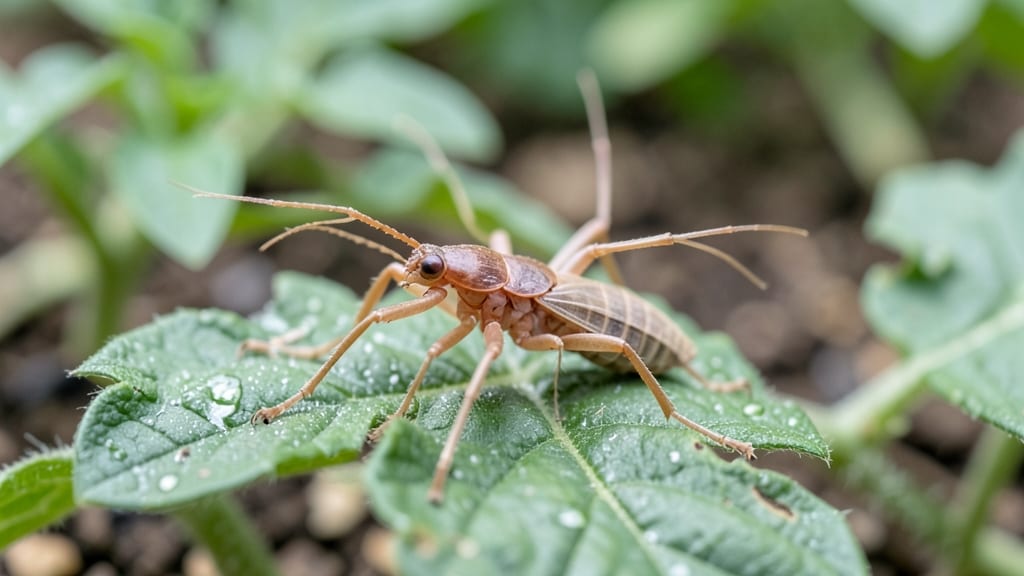
How to get rid of earwigs on plants—those leaf-curling pests—without toxic sprays? I’ve battled them in my garden for years and finally cracked the code by outsmarting their habits, not fighting them head-on.
Start with diatomaceous earth (food-grade only) around plant bases—it’s like sandpaper to their soft bodies. Add beneficial nematodes to the soil, which hunt earwig larvae before they even reach your plants.
For immediate relief, flip over mulch and boards at dusk (their favorite hiding spots) and drop them in soapy water.
Your garden will stay crisp and pest-free in weeks, not months. The secret’s in disrupting their life cycle: remove hiding spots, encourage predators like ground beetles, and keep mulch thin. No more midnight raids on your basil or lettuce!
Works in vegetable beds, flower gardens, and even houseplants. The best part? Your soil stays healthy, and you skip the chemicals. Let’s make your plants their last stop—not their next meal.
📚 In This Guide
- What you need
- Instructions
- Tips and common mistakes
- Wrapping up and next steps
What you need
- ● Gloves (nitrile or rubber) – 1 pair (to protect your hands from pinch marks and debris).
- ● Flashlight or headlamp – 1 (earwigs hide in dark, damp spots—light helps you spot them!).
- ● Spray bottle (8-16 oz) – 1 (for DIY sprays like soapy water or neem oil mixtures).
- ● Garden hose with nozzle – 1 (for rinsing plants and flushing earwigs away).
- ○ Diatomaceous earth (food-grade) – 1 lb (optional but effective) (sprinkle lightly around plants—earwigs avoid it!).
- ● Cardboard or corrugated paper – 2-3 sheets (for traps or barriers).
- ● Sturdy bucket or trash bag – 1 (to collect earwigs or debris).
- ● Neem oil (100% pure, cold-pressed) – 16 oz (mix with water for a natural repellent).
- ● Insecticidal soap – 16 oz (safe for plants, kills earwigs on contact).
- ● Beer trap (small container) – 1 (fill with beer to lure and drown earwigs—sounds weird, but it works!).
- ● Garden twine or wire – 1 roll (to create barriers around plants).
- ● Pruning shears – 1 pair (for trimming infested plant parts).
- ● Vacuum with hose attachment – 1 (for quick earwig removal from plants).
Natural methods to eliminate earwigs from your plants
Earwigs may be small, but they can wreak havoc on your garden. Here’s how to tackle them effectively using safe, chemical-free techniques.
Identify and Understand Earwig Habitats
Earwigs thrive in damp, dark environments, often hiding under mulch, rocks, or plant debris during the day. They emerge at night to feed on tender leaves, flowers, and seedlings. The first step is to scout your garden after dusk—look for their pinched, brown bodies with distinctive forceps-like cerci at the rear. Check under leaves, along stems, and in crevices where moisture collects.
I’ve found that earwigs love thick mulch layers and dense ground covers. If your garden has these features, you’ll likely see more activity. Pay special attention to areas with high humidity, as earwigs avoid dry conditions. Once you’ve pinpointed their hiding spots, you can strategize removal without harming beneficial insects.
Reduce Moisture and Shelter
Earwigs need moisture to survive, so reducing dampness in their favorite spots is key. Thin out thick mulch layers, especially around the base of plants, to improve airflow and dryness. Replace dense mulch with 2-3 inches of coarse mulch, like straw or shredded bark, which allows moisture to evaporate more quickly.
Remove debris, fallen leaves, and plant litter from the garden bed. These provide perfect hiding spots. I also recommend clearing out garden tools, pots, and boards left lying on the soil—earwigs love to nest under them. Keep the area around your plants tidy, and you’ll make it far less inviting for these pests.
Use Physical Traps and Barriers
One of the most effective ways to control earwigs is by trapping them. Place rolled-up cardboard tubes or plastic cups filled with water near infested plants. Earwigs will crawl inside and drown overnight. I’ve had great success with this method, especially when placed near flower beds or vegetable patches.
For a non-lethal approach, create a simple trap using a shallow dish filled with soapy water. Earwigs are attracted to the moisture and will fall in, where the soap will immobilize them. Check traps daily and dispose of the pests far from your garden. This method is safe for children and pets while effectively reducing earwig populations.
Introduce Natural Predators
Encouraging natural predators is a sustainable way to manage earwigs long-term. Birds, spiders, and ground beetles feed on earwigs, so fostering their presence in your garden can help keep populations in check. Install a birdhouse or bird feeder to attract birds, and leave some leaf litter in undisturbed areas to provide habitat for ground beetles.
You can also introduce beneficial nematodes, like Steinernema carpocapsae, which target earwigs and other soft-bodied pests. Apply them in the evening when earwigs are most active, following the package instructions. This method is chemical-free and safe for your plants and other wildlife.
Apply Diatomaceous Earth or Horticultural Oil
For a targeted approach, use food-grade diatomaceous earth (DE) around the base of plants. DE is a fine powder made from fossilized algae that dehydrates earwigs upon contact. Lightly dust the soil and plant foliage in the evening, avoiding windy days. Reapply after rain, as DE loses effectiveness when wet.
Horticultural oil is another effective option. Mix it with water and spray it on plants in the evening, ensuring the oil coats the leaves and stems. Earwigs will avoid treated areas, and the oil disrupts their life cycle. This method is safe for plants but should be applied when bees and other pollinators are not active.
Monitor and Maintain Prevention
After implementing these methods, monitor your garden regularly for signs of earwig activity. Check plants in the early morning or late evening when earwigs are most visible. If you notice new damage or increased activity, revisit your control methods and adjust as needed.
To prevent future infestations, maintain a dry, well-aerated garden bed. Avoid overwatering, and water plants in the morning to allow foliage to dry quickly. Regularly inspect your garden for early signs of earwigs, and act promptly if you spot them. Consistency is key—earwigs are persistent, but so are these natural solutions.
Tips & tricks for effective earwig elimination
Earwigs can be stubborn pests, but these targeted strategies will help you reclaim your garden without harsh chemicals.
Timing is Everything: Earwigs are nocturnal, so focus your efforts during the evening hours when they're most active. That means setting up traps like rolled-up cardboard tubes or soapy water dishes after sunset. I’ve found that placing these traps near flower beds or under dense foliage—where earwigs hide during the day—maximizes their effectiveness. Check traps first thing in the morning to avoid disturbing other beneficial insects.
Moisture Management Matters: Earwigs thrive in damp conditions, so reducing humidity is key. When thinning mulch in Step 2, aim for a 2-3 inch layer of coarse material like straw or shredded bark. This allows moisture to evaporate while still protecting plant roots. I’ve noticed that areas with standing water or dense mulch layers attract more earwigs—so keep those garden beds well-aerated. A simple trick is to water plants in the morning instead of evening to give foliage time to dry completely.
Predator Partnerships: Step 4’s focus on natural predators is brilliant, but there’s more you can do. Beyond birdhouses, create small undisturbed areas with leaf litter to attract ground beetles—they’re voracious earwig hunters. I’ve had success placing flat rocks or logs in shady corners of the garden; these provide shelter for predators while keeping earwigs exposed. Just be patient—it may take a few weeks to see noticeable results, but the long-term benefits are worth it.
Targeted Application Techniques: When using diatomaceous earth or horticultural oil in Step 5, precision is critical. For DE, focus on the soil surface and under leaves where earwigs crawl. A light dusting is all you need—overapplying can harm beneficial soil organisms. With horticultural oil, use a spray bottle for better coverage, especially on the undersides of leaves. I’ve learned that applying these treatments in the evening, when earwigs are active, significantly improves their effectiveness while minimizing harm to pollinators.
Pro Tips for Get Rid Of Earwigs On Plants
- Earwigs can be stubborn pests, but these targeted strategies will help you reclaim your garden without harsh chemicals.
- Timing is Everything: Earwigs are nocturnal, so focus your efforts during the evening hours when they're most active.
- Moisture Management Matters: Earwigs thrive in damp conditions, so reducing humidity is key.
Frequently asked questions
Are earwigs harmful to my plants?
Earwigs rarely kill plants, but they can chew leaves, flowers, and young seedlings—especially in large numbers. They prefer decaying matter, so they’re more of a nuisance than a major threat. Monitor your garden and act if you notice excessive damage or wilting.
How long does it take to see results with natural remedies?
Results vary! Some methods like diatomaceous earth or neem oil may show effects within 24–48 hours, while others (like companion planting) take weeks to deter earwigs. Consistency is key—reapply treatments every 7–10 days or after rain.
What’s the best store-bought solution if natural methods fail?
If earwigs persist, opt for insecticidal soap or pyrethrin-based sprays (derived from chrysanthemums). Always follow label instructions and avoid spraying during peak pollinator hours (early morning or late evening). For severe infestations, contact a local pest control expert.
Can I use coffee grounds to repel earwigs?
Yes! Coffee grounds are a natural deterrent—earwigs dislike the strong scent. Sprinkle used grounds around plant bases (not directly on soil) or compost them nearby. Pro tip: Mix with dryer lint for extra repellent power!
Why do earwigs keep coming back after I treat my garden?
Earwigs are resilient! They may return from hidden cracks, mulch piles, or nearby woodpiles. Seal entry points, remove debris, and rotate treatments (e.g., switch between diatomaceous earth and neem oil). Check for moisture—earwigs thrive in damp areas.
Wrapping up and next steps
Earwigs may seem like a stubborn pest, but with the right natural methods—like companion planting, DIY traps, and organic sprays—you can reclaim your garden without harsh chemicals. 🌱 Remember, consistency is key! Start with prevention (like mulch management or beneficial insects) and escalate as needed.
Now that you’re armed with solutions, take action! Pick one method today—whether it’s setting up a beer trap or planting garlic around your plants—and watch those earwigs say goodbye. Happy gardening! 🌿