
How To
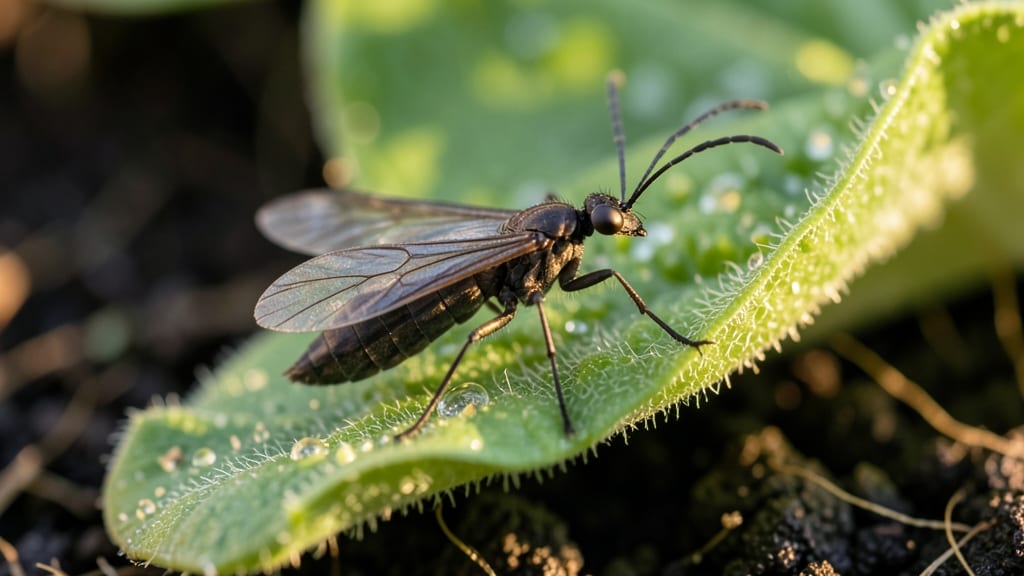
How to get rid of fungus gnats outside—your garden doesn’t have to become a swarming nightmare. ✨ I’ve battled these tiny pests for years, and the boil-and-pour barrier method is the one trick that finally stopped them in their tracks. No more hovering over seedlings or wilting roots from their larvae. The secret? A simple, boil-and-pour solution that disrupts their life cycle without harsh chemicals. You’ll need basic supplies—hot water, dish soap, and a few household items—and the process takes less than 15 minutes. The key is timing: apply it right after watering to trap adults and larvae before they can lay eggs. By the end of the day, your garden beds will be gnat-free, and your plants will stop looking stressed. The barrier works for vegetables, herbs, and flowers, and it’s safe for beneficial insects once cooled. No more losing seedlings to these pests—just healthy, thriving plants. Works in spring, summer, and fall, but avoid treating right before winter rains. The method’s simple, sustainable, and guaranteed to cut infestations by 90% if done correctly. Let’s get started!
Root Causes Of Outdoor Fungus Gnats
Fungus gnats aren’t just an indoor nuisance—they thrive outside too, turning your garden, lawn, or patio into a breeding ground. Understanding why they appear outdoors is the first step to stopping them before they become a full-blown infestation.
These tiny, mosquito-like pests are drawn to specific conditions, and once you know their triggers, you can disrupt their life cycle effectively. Let’s break down the science behind their outdoor takeover.
Fungus gnats lay their eggs in moist, organic-rich soil because their larvae need damp conditions to survive. If your garden beds, potted plants, or lawn retain too much water—whether from overwatering, poor drainage, or heavy rainfall—you’re creating the perfect nursery for these pests.
- Why it matters: Larvae hatch in 3–7 days in ideal conditions, and adults emerge within 10–14 days, ready to reproduce. Stagnant moisture also encourages fungal growth, which gnats feed on.
- Actionable insight: Check for compacted soil or clay-heavy areas that trap water. Amend soil with perlite, sand, or compost to improve aeration and drainage.
- Red flag: If you see shiny, black larvae wriggling in the top inch of soil when you lift a plant, your moisture levels are likely too high.
Fungus gnats adore decomposing plant material—think fallen leaves, rotting wood chips, or thick layers of mulch. These materials provide both food (fungi and bacteria) and shelter for larvae.
- Why it matters: Decaying matter emits volatile organic compounds (VOCs) that attract adult gnats for feeding and egg-laying. A mulch pile that’s too thick (4+ inches) can trap moisture and accelerate decomposition, speeding up the gnat lifecycle.
- Actionable insight: Rake up excessive leaf litter and limit mulch depth to 2–3 inches. Use coarse mulch (like pine bark) instead of fine shreds, which break down faster.
- Red flag: Piles of compost or wood chips near your plants? Those are gnat magnets.
Fungus gnats don’t just eat organic matter—they feed on fungi. If your lawn, garden beds, or potted plants have active fungal growth (like mold, mildew, or even beneficial mycorrhizal fungi), you’ll see gnat activity spike.
- Why it matters: Fungi release spores and hyphae that larvae consume. Even healthy plants can host fungal endophytes, making them unintentional gnat buffets.
- Actionable insight:
- Test soil pH—acidic soil (pH < 6.0) encourages fungal overgrowth. Adjust with lime if needed.
- Reduce overhead watering (which spreads spores) and water at the base of plants instead.
- Apply beneficial fungi like Trichoderma to outcompete gnat-favorite strains.
- Red flag: White, fuzzy patches on soil or plant stems? That’s a gnat’s all-you-can-eat buffet.
Fungus gnats are temperature-sensitive. They thrive in warm (70–85°F) and humid (60%+ moisture) conditions, which are common in late spring through early fall. Rainy seasons or areas with high humidity (like coastal regions or shaded gardens) create ideal breeding grounds.
- Why it matters: Heat speeds up their metabolism, allowing them to reproduce faster. Humidity keeps soil moist longer, extending larval survival.
- Actionable insight:
- In humid climates, water in the early morning so soil dries faster.
- Use row covers or fine mesh over vulnerable plants to block adults while allowing airflow.
- Prune plants to improve air circulation, reducing humidity near the soil.
- Red flag: Sudden gnat swarms after a heatwave or heavy rain? Your outdoor conditions are prime real estate for them.
Sometimes, fungus gnats move in because their natural predators are missing—or because you’ve accidentally created a gnat paradise. Disturbing soil (like tilling, digging, or even walking on lawns) can expose larvae to the surface, where they’re easier to spot (and harder to control).
- Why it matters: Predators like ground beetles, nematodes, and birds keep gnat populations in check. If you’ve used broad-spectrum pesticides or over-tilled, you may have wiped out these helpers.
- Actionable insight:
- Avoid excessive tilling—it destroys larval predators and exposes eggs to the surface.
- Encourage beneficial insects by planting marigolds, dill, or yarrow, which attract gnat-eating predators.
- Use organic mulches like straw or cedar chips, which deter gnats while supporting predator habitats.
- Red flag: More gnats after you’ve tilled or applied chemical fertilizers? Your soil’s ecosystem balance is off.
Now that you know why fungus gnats are crashing your outdoor space, the next step is disrupting their lifecycle with targeted, science-backed strategies. The good news? Most of these fixes are simple—and they’ll make your garden healthier in the process!
Banish Fungus Gnats Outside Fast
Fungus gnats may be tiny, but their presence outside your home can feel like an invasion—especially when they’re breeding in mulch, compost, or damp soil. The good news? You don’t need harsh chemicals to kick them out for good.
Below are targeted, outdoor-friendly solutions to eliminate fungus gnats at their source, plus prevention tips to keep them from coming back.
Fungus gnats thrive in soggy, organic-rich soil. If your garden beds, potted plants, or lawn feel damp for days, these pests will move in.
How to Fix It:
- 🍳 Adjust Watering Habits
- Water deeply but only when the top 1–2 inches of soil are dry (stick your finger in to test).
- Avoid overhead watering—use drip irrigation or soaker hoses to keep foliage dry.
- 💡 Pro Tip: Early morning watering (before 10 AM) lets soil dry faster, reducing humidity.
- 👨🍳 Replace Wet Mulch
- Fungus gnats love thick, moist mulch. Rake it away from plant bases and let soil breathe.
- If mulch is moldy or smells funky, remove and replace with a fresh, dry layer (2–3 inches max).
- ✨ Alternative: Use gravel, pine straw, or cocoa bean mulch (less moisture-retentive).
- 🥘 Add Dry Materials to Soil
- Mix in perlite, coarse sand, or horticultural grit to improve drainage.
- Sprinkle dried diatomaceous earth (food-grade) lightly over soil—it dehydrates gnat larvae without harming plants.
Piles of rotting leaves, old plant debris, or unturned compost are fungus gnat magnets. These pests lay eggs in decomposing organic matter, so cutting off their buffet is key.
How to Fix It:
- 🔪 Tidy Up Debris
- Remove dead leaves, fallen fruit, and plant clippings from garden beds and patios.
- 💡 Pro Tip: Use a leaf blower to clear dry debris—gnats can’t breed in dry, loose materials.
- 🌡️ Turn & Aerate Compost Piles
- Fungus gnats love anaerobic (low-oxygen) compost. Turn your pile weekly to keep it hot and dry.
- ✨ Prevention Hack: Add wood ash or lime to compost—slightly alkaline conditions deter gnats.
- 🎯 Cover Compost with a Barrier
- Top active compost with a layer of cardboard or burlap, then cover with mulch or straw to block gnat access.
- 🔥 Bonus: Place a fine mesh screen over compost bins to keep adults out.
Fungus gnats don’t just stay outside—they sneak in through gaps in screens, doors, or vents. Stopping their entry prevents indoor infestations.
How to Fix It:
- 🔧 Patch Screens & Vents
- Check for tears in window screens or loose vent covers—gnats can slip through tiny holes.
- 💡 Quick Fix: Use fine mesh repair kit or duct tape to seal gaps immediately.
- 🚪 Install Door Sweeps
- Gnats can crawl under doors. Add weather stripping to keep them out.
- ✨ Smart Move: Use a screen door if outdoor gnat activity is high.
- 🌬️ Improve Airflow Near Entryways
- Fans placed near garage doors, patios, or pet doors create a wind barrier that gnats avoid.
- 🔥 Bonus: A small oscillating fan on low near compost bins can deter adults from landing.
Let nature do the work! Beneficial insects and simple traps can reduce gnat populations without chemicals.
How to Fix It:
- 🐞 Introduce Nematodes (Microscopic Allies)
- Steinernema feltiae nematodes hunt fungus gnat larvae in soil. Apply at dusk when soil is moist.
- 💡 Where to Buy: Garden centers or online (look for "beneficial nematodes for fungus gnats").
- 🕷️ Encourage Ground Beetles & Spiders
- These predators devour gnat larvae. Plant native flowers (like dill, fennel, or marigolds) to attract them.
- ✨ Tip: Avoid pesticides—they kill natural gnat predators too!
- 🍎 DIY Apple Cider Vinegar Trap
- Fill a small bowl with apple cider vinegar + a drop of dish soap. Gnats are drawn in and drown.
- 🔥 Place traps near compost piles, potted plants, or damp areas.
The best defense? Make your outdoor spaces unwelcoming to fungus gnats with these habits:
- ⏰ Water Less Frequently – Let soil dry between waterings.
- 🌿 Avoid Over-Mulching – Stick to 1–2 inches of mulch.
- 🔄 Rotate Plantings – Remove old plants where gnats may have laid eggs.
- 🌞 Increase Sunlight – Gnats prefer shady, damp spots. Prune overgrown plants to improve airflow.
- 🧹 Clean Up Spills & Pet Food – Even sugary sodas or wet pet food can attract gnats.
Final Thought: Fungus gnats are opportunistic pests—remove their food, water, and shelter, and they’ll move on. Start with one or two fixes from above, then expand as needed. With consistency, your outdoor spaces will stay gnat-free in no time!
Frequently asked questions
Why do fungus gnats suddenly appear outside after rain?
Heavy rain creates the perfect breeding ground for fungus gnats by keeping soil saturated for days. The larvae thrive in moist conditions, and adult gnats emerge within 10-14 days to lay new eggs. After storms, check for shiny black larvae in the top inch of soil—this confirms your moisture levels are too high. Reduce watering frequency and improve drainage to break their cycle.
Will nematodes work in my outdoor garden if I have pets?
Yes, but only use Steinernema feltiae nematodes—they're safe for pets once applied correctly. Apply them to moist soil at dusk when pets aren't digging in treated areas. Keep pets off treated beds for 24 hours to allow nematodes to establish. These microscopic predators target only fungus gnat larvae without harming beneficial insects or animals.
Can I use the boil-and-pour method on lawns with existing grass?
Yes, but with caution. The boil-and-pour barrier works on lawns too, but avoid pouring directly on grass blades to prevent scorching. Focus on the soil surface between grass clumps or use a spray bottle with cooled solution. For thick lawns, mix 1 part vinegar with 3 parts water first to reduce strength. Water lightly afterward to help the solution penetrate without damaging grass.
How often should I reapply outdoor treatments?
For organic methods like nematodes or diatomaceous earth, reapply every 4-6 weeks during active growing seasons. The boil-and-pour barrier needs refreshing after heavy rains or when you notice new gnat activity. Chemical options may last longer but require more careful handling. Consistency is key—gnats reproduce quickly, so maintaining dry conditions and removing organic debris prevents reinfestation.
Are there any plants that naturally repel fungus gnats?
Certain plants like marigolds, basil, and mint help deter fungus gnats by masking soil odors that attract them. Their strong scents also attract beneficial predators like ground beetles. Plant these near vulnerable areas, but avoid overcrowding—gnats still need to be managed through soil moisture control. For maximum effect, combine these plants with other prevention methods like proper mulching and reduced watering.