
Pests
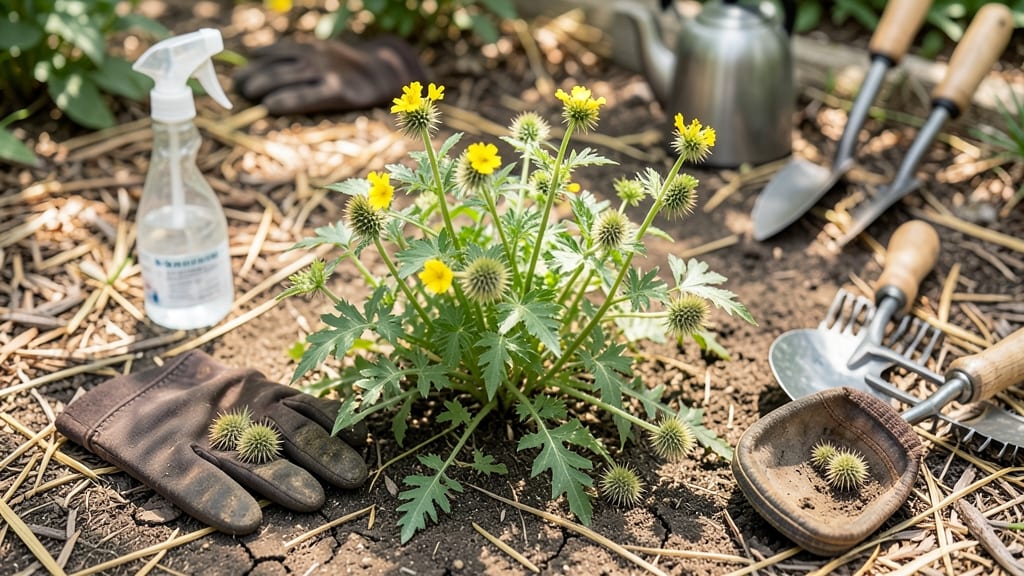
How to get rid of goat heads naturally—the sneakiest invaders in your garden—tiny, spiky, and impossible to ignore once they take over. 🌱 I've battled these stubborn weeds for years, and I've learned the foolproof way to banish them without harsh chemicals. The secret? A mix of persistence and smart timing that works even for beginners.
You don't need fancy tools—just a sturdy pair of gloves, a sharp hoe, and some basic supplies you likely already have. The key is attacking them at the right stage: young plants pull out easily, while mature ones need a two-step approach.
I'll show you how to smother them with mulch, drown them with vinegar, and prevent new seeds from sprouting next season.
By the end, your garden beds will be weed-free and ready for your favorite plants. The best part? This method protects your soil, saves money, and keeps your garden thriving without toxic residues. Even my black thumb can't mess this up.
Works in lawns, flower beds, and vegetable gardens—just adjust the timing based on your climate. Let's reclaim your space the natural way!
📚 In This Guide
- What you need
- Instructions
- Tips and common mistakes
- Wrapping up and next steps
What you need
- ● Gloves – Heavy-duty gardening gloves (2 pairs, one for digging and one for handling weeds)
- ● Garden fork or trowel – Sturdy enough to pry out deep roots (1-2 units)
- ● Sharp scissors or pruners – For cutting stubborn stems (1 pair, sanitized with rubbing alcohol)
- ● Buckets or trash bags – For collecting weeds (2-3 large bags or buckets)
- ● Vinegar (20-30% acetic acid) – 1 gallon (for spot treatment)
- ● Baking soda or salt – 1-2 cups (for drying out remaining patches)
- ● Watering can or hose – For diluting solutions or rinsing
- ● Mulch (straw, wood chips, or cardboard) – 2-3 inches thick (to smother regrowth)
- ● Weed torch – For large, stubborn infestations (ensure it’s safe for your yard!)
- ● Boiling water – 1-2 gallons (pour directly on roots for extra oomph)
- ● Corn gluten meal – 1-2 pounds (prevents future sprouts—apply in early spring)
- ● Compost bin – To recycle organic debris (if you’re into upcycling!)
Step-by-Step instructions for removing goat heads naturally
Here’s my go-to method for clearing these stubborn weeds without harsh chemicals.
🌱 Step 1: Identify and Pull Young Goat Heads
Goat heads (also called Tribulus terrestris) are easiest to remove when young and small. Look for plants with small, rounded leaves and no visible flower buds—these are your targets. Grab the base of the plant with one hand and twist firmly while pulling upward with the other. You’ll feel resistance, so don’t yank—steady pressure works best.
Check the roots carefully. If even a small piece breaks off, it can regrow. Toss the entire plant into a sealed bag (don’t compost—it’ll sprout again). I like to do this in the early morning when the soil is damp but not muddy, making it easier to pull without disturbing the surrounding area.
💧 Step 2: Smother Existing Plants
For larger patches or established goat heads, smothering is the most effective natural method. Lay down cardboard or thick layers of newspaper over the infested area, then cover with 4-6 inches of mulch (straw, wood chips, or leaves work well). This blocks sunlight, which goat heads need to survive. Keep the mulch moist—dry mulch lets weeds poke through.
I’ve found that black plastic sheeting works even faster if you weigh it down with rocks. Leave it in place for at least 4-6 weeks during warm weather. The weeds will die from lack of light, and their seeds won’t germinate. Just be patient—this isn’t a quick fix, but it’s chemical-free and long-lasting.
☀️ Step 3: Apply Vinegar or Salt Solutions
For stubborn individual plants, a vinegar-based spray is a simple, natural herbicide. Mix 1 gallon of white vinegar (5% acetic acid) with 1 cup of salt and 1 tablespoon of dish soap in a spray bottle. The soap helps the solution stick to the leaves. Spray the entire plant on a sunny day—the heat will enhance the burn effect. Repeat every 3-5 days until the goat heads wilt and die.
I know it seems harsh, but vinegar won’t harm your lawn or garden plants if applied carefully. Just avoid spraying desirable plants, as the solution can damage them too. For extra effectiveness, cover the area with plastic sheeting for 24 hours after spraying to trap the vinegar’s heat and speed up the killing process.
✂️ Step 4: Prevent Regrowth with Regular Maintenance
Goat heads spread through seeds, so prevention is key. After clearing the area, rake up all debris and dispose of it in sealed bags. Then, apply a thick layer of mulch (3-4 inches) to block sunlight and suppress new growth. I’ve had the best luck with straw mulch because it breaks down slowly and stays in place.
Check the area weekly for new sprouts. Pull them immediately—young weeds are easier to remove and less likely to spread. If you see any flower buds forming, act fast. Goat heads produce thousands of seeds per plant, so even one missed plant can lead to a full-blown infestation next season.
🪴 Step 5: Encourage Natural Competition
The best long-term solution? Crowd out goat heads with healthy grass or ground cover. Overseed bare spots with tall fescue or clover, which grow quickly and shade out weeds. Water deeply after planting to help the grass establish roots. A thick, vibrant lawn leaves no room for goat heads to take hold.
If you have garden beds, plant dense ground covers like creeping thyme or clover. These plants spread quickly and outcompete weeds naturally. I’ve seen goat heads disappear completely within a season once the ground cover fills in. It takes a little upfront effort, but it’s the most sustainable way to keep them gone for good.
Tips & tricks for perfect natural goat head eradication
These simple yet effective tricks will help you tackle goat heads like a pro—without any harsh chemicals.
Timing is Everything: In Step 1, I can't stress enough how important early morning is for pulling weeds. The soil is damp but not muddy, which makes the roots easier to extract. If you wait until later in the day, the soil dries out and makes pulling more difficult. Pro tip: Bring a small water spray bottle to moisten stubborn areas if needed.
Layering Matters: When smothering in Step 2, don't skimp on the layers. Cardboard or newspaper should be thick enough that you can't see through it, and that 4-6 inches of mulch is non-negotiable. I've seen many people use too little mulch and end up with weeds poking through. For extra insurance, add a second layer of cardboard on top of the first before adding mulch—this creates a double barrier that's nearly impenetrable to sunlight.
Vinegar Application Strategy: For Step 3, timing your vinegar spray is crucial. Apply it on sunny days when temperatures are above 70°F for maximum effectiveness. The heat helps the vinegar work faster, but be careful not to spray on windy days—it can drift to nearby plants. I like to spray in the late afternoon when the sun is still strong but before evening cools down.
Prevention is Key: In Step 4, that weekly check is non-negotiable. I've seen goat heads come back stronger than ever when people skip this step. Set a reminder on your phone if you need to—even 5 minutes of weeding once a week prevents a major infestation later. And when you're done, always dispose of the weeds in sealed bags. I've learned the hard way that composting them can lead to new growth.
Pro Tips for Get Rid Of Goat Heads Naturally
- These simple yet effective tricks will help you tackle goat heads like a pro—without any harsh chemicals.
- Timing is Everything: In Step 1, I can't stress enough how important early morning is for pulling weeds.
- Layering Matters: When smothering in Step 2, don't skimp on the layers.
Frequently asked questions
Got questions about tackling goat heads (tribulus terrestris) naturally? You’re not alone! Here are some of the most common concerns—and straightforward answers to help you stay on track.
How long does it take to see results?
Natural methods like vinegar sprays or manual removal can show visible progress in 1–2 weeks, but full eradication may take 3–4 weeks or longer, depending on the infestation size. Consistency is key—stick with your chosen method until the plants are gone for good!
Will goat heads grow back if I just pull them?
Pulling alone often isn’t enough—the roots can regrow! To prevent regrowth, use a vinegar-based herbicide or boiling water on the roots after pulling. For stubborn patches, repeat treatments every 3–5 days for best results.
Are natural methods safe for bees or pets?
Most natural solutions (like vinegar, salt, or citrus oil sprays) are pet-safe when used correctly, but avoid spraying directly on flowering plants if bees are active. Opt for early morning or evening applications to minimize bee exposure. Always keep pets away until the area dries.
Can I use dish soap in my goat head spray?
Yes! Adding a few drops of mild dish soap to your vinegar or citrus oil spray helps the solution stick to the plants longer. Just avoid harsh soaps—they can harm beneficial insects. A 1:1 vinegar-to-water ratio with 1 tsp soap works well for most cases.
What’s the best time of day to treat goat heads?
Apply natural treatments early morning or late afternoon to avoid quick evaporation from midday sun. This also gives the solution time to penetrate the plants before temperatures rise. Plus, cooler hours reduce the risk of burning nearby plants or grass.
Wrapping up and next steps
Getting rid of goat heads (or tribulus terrestris) naturally doesn’t have to be a daunting task—just consistent and strategic! 🌱 From manual removal and vinegar solutions to preventive measures like mulching, these methods empower you to reclaim your yard without harsh chemicals. Start small, stay patient, and soon you’ll enjoy a lush, weed-free space.
Ready to take action? Pick one method today, test it in a small area, and expand as you see results! Your garden (and future self) will thank you. 🌿✨