
Pests
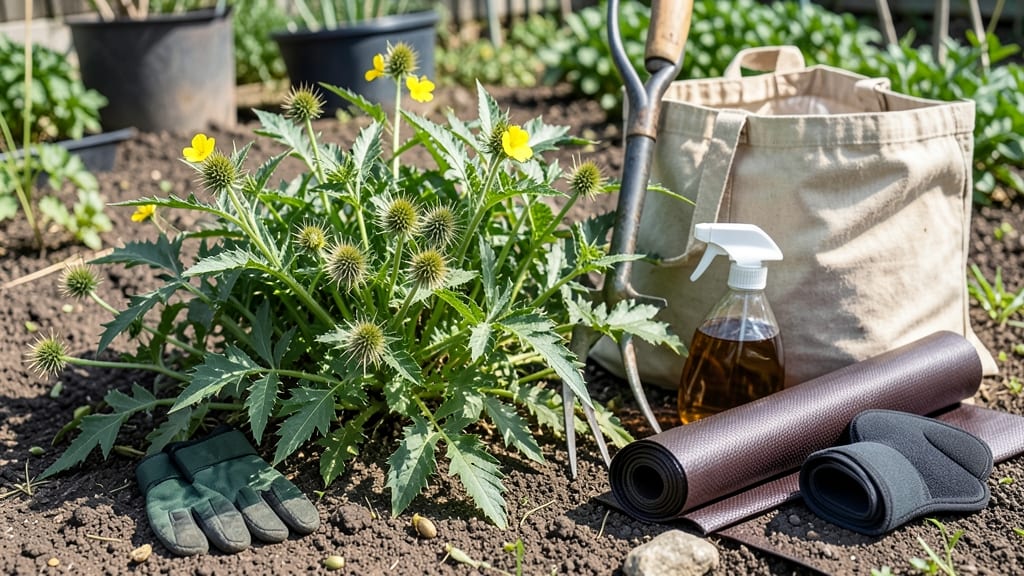
How to get rid of goathead weeds—those spiky, stubborn invaders—is every gardener’s worst battle. They multiply faster than you can pull them, turning your yard into a minefield of razor-sharp seed pods. 🌱 I've battled them for years, and the boiling water + vinegar combo is the only method that actually works without bringing back more seeds. The key is timing: hit them when they're small, or you'll be fighting a losing battle with those razor-sharp seed pods.
Most people grab herbicides first, but that just masks the problem—goatheads have deep roots and explode with new plants when disturbed. My solution? Boiling water to kill the plant instantly and vinegar to weaken the soil around them, making regrowth nearly impossible.
You'll need a kettle, white vinegar, dish soap, and a little patience—this isn't a quick spray-and-forget fix, but it's the only one that lasts.
Within 24 hours, the weeds turn brown and crumble. The real magic happens in the soil: vinegar breaks down the seed pods before they can sprout, and the heat ensures no roots survive to regrow.
By week two, your lawn or garden will look like you never had a problem—no more tripping over spiky invaders or watching them take over flower beds.
Works for lawns, vegetable gardens, and even sidewalk cracks—just adjust the vinegar ratio for delicate plants. The secret? Don't skip the soap—it helps the vinegar stick to the leaves and roots. Here's exactly how to do it without burning your plants (or yourself).
Root Causes Of Goathead Spread
Goathead weeds—those spiky, stubborn invaders—don’t just pop up randomly. Their persistence is the result of specific environmental and biological factors that give them a competitive edge over other plants.
Understanding why they thrive helps you strategize how to starve them out before they take over your yard. Here’s the science behind their dominance:
Goathead weeds (Tribulus terrestris) thrive in disturbed, nutrient-poor, or compacted soil, making them a common nuisance in:
- Construction sites or freshly tilled gardens (🔨💥), where their seeds germinate easily in exposed, loose soil.
- Dry, sandy, or clay-heavy soils (🏜️🌡️) with low organic matter—conditions where other plants struggle but goatheads adapt.
- High-pH soils (alkaline environments), which they tolerate better than many grasses or vegetables.
Why it matters: Goatheads produce thousands of seeds that lie dormant for years, waiting for the right conditions. If your soil lacks competition from deep-rooted plants or has poor drainage, they’ll exploit the space.
Actionable insight: Test your soil’s pH and organic content. Amending with compost (🌿) or sand (for clay) can discourage their germination.
These weeds are sun worshippers—they flourish in:
- Full sun exposure (6+ hours daily), where they outcompete shade-loving plants.
- Hot, arid climates (🌡️🔥), thriving even in drought conditions thanks to their deep, drought-resistant roots.
- Edge zones (like sidewalks, driveways, or fences), where they exploit cracks and heat reflection.
Why it matters: Their prostrate growth habit (spreading close to the ground) allows them to block sunlight from reaching desired plants, creating a self-perpetuating cycle.
Actionable insight: Mulch bare soil (🌾) or plant dense ground covers to shade out goatheads before they sprout.
Goathead seeds are tiny, spiky, and hitchhike—they latch onto:
- Animal fur (deer, rabbits, livestock) or bird feathers (🦌🐦), spreading across pastures.
- Clothing, shoes, or tires (👟🚗) when moving between infested and clean areas.
- Water runoff (💦) from storms or irrigation, carrying seeds into gardens.
Why it matters: A single goathead plant can produce up to 5,000 seeds, and they remain viable in the soil for 5+ years. Even a few seeds can trigger a full-blown invasion.
Actionable insight: Inspect pets, tools, and vehicles after visiting infested areas. Clean boots and equipment with a bristle brush to remove seeds.
Goatheads love disruption—they exploit:
- Frequent mowing (🌿✂️) that removes competing grasses, leaving bare patches.
- Aeration or tilling (🔄), which buries seeds at shallow depths where they germinate.
- Foot traffic (👣) that compacts soil, creating ideal microclimates for their seeds.
Why it matters: Their seeds require light to germinate, so any activity that exposes soil gives them a head start.
Actionable insight: Avoid unnecessary tilling. Instead, smother weeds with thick mulch or solarize soil (cover with clear plastic for 4–6 weeks in summer).
Pro Tip: 💡 Goatheads are not native to many regions—they’re invasive opportunists. Their success stems from weaknesses in your landscape, not superior biology. By addressing soil, sunlight, and disturbance, you flip the script!
How to Fix It Naturally
Goathead weeds may seem stubborn, but with the right approach, you can eliminate them—without toxic chemicals. Below are targeted solutions based on the root causes of infestation (soil conditions, seed spread, and regrowth), along with prevention tips to keep them from returning.
Goathead weeds thrive by spreading seeds, so starve them of sunlight and remove them manually before they take hold.
- 🔥 Boil Water Method (Best for Small Patches)
- Heat 2–3 gallons of water to a rolling boil.
- Pour directly over the weeds, covering the entire plant (including roots).
- Repeat 2–3 times for stubborn clusters.
- Why it works: The heat kills roots instantly, preventing regrowth.
- 🍳 Vinegar & Salt Solution (For Tougher Cases)
- Mix 1 gallon of white vinegar (20% acetic acid), 1 cup salt, and 1 tbsp dish soap.
- Spray directly on leaves (avoid desirable plants—it’s non-selective).
- Reapply every 3–5 days until weeds die.
- Pro tip: Do this on a sunny day—vinegar works best with UV exposure.
- 👨🍳 Hand-Pulling (Best for Early Stages)
- Wear gloves (goatheads have sharp spines!).
- Grab the weed at the base and pull firmly upward.
- Check for remaining root fragments—even a tiny piece can regrow.
- 💡 Prevention: Rake soil afterward to expose hidden seeds.
Rich, disturbed soil invites goatheads. Fix the environment to discourage them.
- 🔪 Tilling & Soil Amendments
- Aerate compacted soil to reduce weed seed germination.
- Add compost or sand to improve drainage (goatheads hate soggy roots).
- ✨ Long-term fix: Plant ground covers (like clover or creeping thyme) to block sunlight.
- 🌿 Mulching (Best for Lawns & Gardens)
- Apply 3–4 inches of organic mulch (straw, wood chips, or grass clippings).
- Keeps soil moist but not waterlogged—goatheads despise competition.
- 🎯 Reapply every 6 months to maintain the barrier.
If weeds keep coming back, they’re not fully eradicated. Try these advanced tactics:
- 🔪 Digging Barrels (For Persistent Roots)
- Use a hand trowel or dandelion digger to excavate roots (goatheads can grow from 1-inch root pieces).
- Check for secondary roots—they’re often branched and fibrous.
- 🌱 Pre-Emergent Herbicides (Last Resort)
- Apply corn gluten meal (natural pre-emergent) before seeds sprout (early spring/fall).
- ⚠️ Warning: Avoid synthetic herbicides—they can harm nearby plants and contaminate soil.
Once you’ve cleared goatheads, keep them away for good with these habits:
| Problem | Solution | When to Do It |
|---|---|---|
| Seed spread from pets | Rinse paws after walks in infested areas | After outdoor trips |
| Disturbed soil | Avoid excessive tilling | Before planting season |
| Weak grass patches | Overseed bare spots with clover/rye | Early fall |
| Water runoff | Improve drainage with sand/compost | Spring or after heavy rain |
Final Reminder: Consistency is key! Recheck treated areas weekly for new sprouts, and mulch regularly to prevent future outbreaks. With these methods, your yard can go from goathead hell to green perfection in weeks. 🚀
Frequently asked questions about goathead weed removal
Why do goathead weeds keep coming back even after I pull them?
Those spiky seed pods contain thousands of seeds that stay dormant in the soil for 5+ years. Even a tiny root fragment left behind can regrow, and disturbed soil triggers germination. Always pull from the base and rake afterward to expose hidden seeds to sunlight.
Is vinegar safe to use around my vegetable garden?
Vinegar is non-selective—it kills all plants it touches, including vegetables. For garden beds, spot-treat goatheads with vinegar only after harvest or use the boiling water method instead. Always apply on sunny days for best results.
How long does it take to see results with boiling water?
You'll see immediate wilting, but full results take 24-48 hours. The weeds turn brown and crispy, then crumble away. For stubborn patches, repeat every 3-5 days until no green remains. The key is covering the entire plant, including roots.
Can I use a weed torch instead of boiling water?
Yes! A propane weed torch works great for large areas, but be extremely careful—it can spread flames to nearby plants or dry grass. Always keep a fire extinguisher nearby and never use it on windy days. The heat kills roots instantly, just like boiling water.
What's the best time of year to treat goathead weeds?
Target them in early spring (before seeds sprout) or late summer (when they're actively growing). Avoid treating in fall—dormant seeds may not be affected, and you'll miss the window to prevent next year's growth. Consistency is key!