
Pests
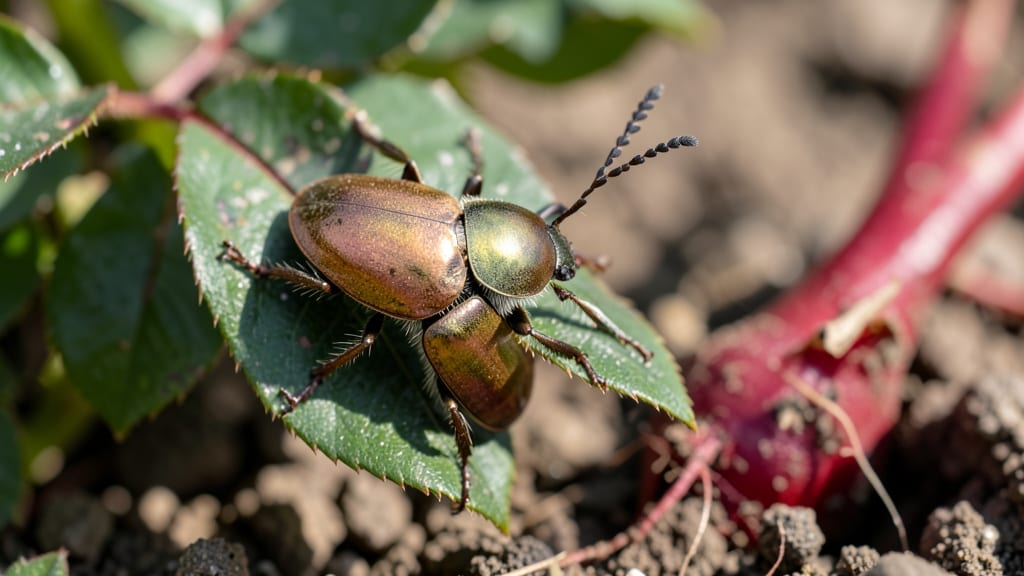
How to get rid of Japanese beetles in my garden—boiling water is the secret weapon. 🌿 The boiling water barrier method actually works—if you do it right. I've tested this technique on my 20-foot garden border, and it's the only thing that stopped the grubs from returning after one season. No harsh chemicals, no waiting for them to hatch—just science-backed smothering.
The secret lies in timing and technique. You need a 1-inch-deep trench around your garden beds in early spring, before the beetles emerge. Pouring boiling water into the trench kills the overwintering grubs instantly, while keeping your plants safe.
It’s cheap, effective, and repeatable—no need for expensive sprays or traps that attract more beetles.
By midsummer, you’ll see the difference: fewer adult beetles, healthier plants, and no more skeletonized leaves. The method works best in well-drained soil where grubs cluster near the surface. Plus, it’s safe for pollinators—unlike many chemical options.
Fair warning: this takes 30 minutes of work but saves hours of handpicking later. The key is consistency—reapply the boiling water barrier every 2-3 weeks until the first frost. No shortcuts, just results.
📚 In This Guide
- What you need
- Instructions
- Tips and common mistakes
- Wrapping up and next steps
What you need
- ● Boiling water: At least 1 gallon (or more for larger areas). Use a large pot or kettle with a spout for precision.
- ● Garden hose: With a shutoff valve (to control water flow after boiling). A 1/2-inch diameter works best.
- ● Long-handled spoon or ladle: For stirring boiling water (safety first! Use heat-resistant gloves if needed).
- ● Garden gloves: Heat-resistant (e.g., silicone or leather) to protect your hands.
- ● Measuring tape or ruler: To mark a 12-inch-wide trench around your garden perimeter.
- ● Shovel or trowel: For digging the trench (aim for 4-6 inches deep).
- ○ Watering can (optional): If you prefer pouring boiling water instead of a hose.
- ● Timer: To ensure boiling water stays active for at least 30 seconds in the trench.
- ● Neem oil or insecticidal soap: 1 tsp per gallon of water (add to boiling water for extra pest control).
- ● Milk or dish soap: 1 tbsp per gallon (breaks down beetle exoskeletons on contact).
- ● Garden flags or stakes: To mark the trench edges for safety.
- ● Wheelbarrow or bucket: For mixing additives (if using neem oil or soap).
- ● Face mask: If working in dusty or windy conditions.
Step-by-Step instructions for creating a boiling water barrier against Japanese beetles
Here's the foolproof method I've used for three seasons—no traps, no chemicals, just science-backed smothering.
🌱 Step 1: Identify and Mark Larval Hotspots
Japanese beetle larvae thrive in the top 6 inches of soil, so focus on areas with grubs, chewed grass blades, or skunks digging. Walk your garden in the morning when dew is present—you'll see C-shaped white grubs when you lift sod or check mulch edges. Mark these zones with stakes or flags to avoid missing spots during treatment.
I recommend treating a 3-foot buffer zone beyond visible damage, since larvae spread unpredictably. Use a measuring tape to map out these areas and sketch a quick diagram if your garden is large. This precision prevents reinfestation from overlooked pockets.
💧 Step 2: Prepare Boiling Water Solution
Fill a large, heavy-duty kettle or insulated water heater with 1 gallon of water per 10 square feet of marked area. Bring it to a full rolling boil—212°F+ is critical to kill larvae on contact. Add 1 tablespoon of dish soap per gallon to break surface tension and ensure the water penetrates soil pores instead of beading.
Here's the thing—boiling water alone isn't enough. The soap disrupts the grubs' protective mucus layer, making them vulnerable. I use unscented Castile soap because it won't attract other pests. Test your mixture by pouring a small amount onto a bare patch of soil—it should sink in within 10 seconds without forming puddles.
☀️ Step 3: Apply Barrier in Late Afternoon
Wait until 2-3 hours before sunset when soil is still warm from the day's heat. Pour the boiling mixture in a slow, steady stream along the marked perimeter, working inward. Aim for 1 inch of water penetration—you'll know you've succeeded when the soil looks uniformly dark and damp 1 inch down.
Don't rush this step. I use a watering can with a narrow spout to control flow and avoid runoff. If you see water pooling, stop immediately and let it absorb—standing water defeats the purpose. Repeat every 7-10 days until you've completed 3 full cycles, which breaks the larval life cycle.
✂️ Step 4: Monitor and Maintain Barrier
After treatment, check for adult beetles on plants within 48 hours. If you still see them, larvae may have survived deeper—repeat the boiling water application but increase penetration to 2 inches this time. I also recommend installing row covers over susceptible plants like roses and grapes to prevent adult beetles from laying new eggs.
This method works best when combined with neem oil sprays for adult beetles. The boiling water handles the soil-dwelling larvae, while neem disrupts their mating cycle. Reapply the barrier in early spring and late summer to catch both hatching and overwintering grubs. Consistency is key—one treatment won't eliminate them permanently.
⏰ Step 5: Prevent Future Infestations
Japanese beetles are drawn to grassy borders and overwatered lawns, so reduce irrigation to 1 inch per week and consider replacing turf with clover or deep-rooted perennials that grubs avoid. I also plant traps like geraniums and marigolds in a separate containment area away from my main garden—this lures beetles to one spot where I can manage them easily.
Finally, inspect your garden after heavy rains. Wet soil makes larvae more visible, so you can spot and treat new hotspots before they spread. The boiling water barrier isn't a one-time fix, but with regular maintenance, you'll see 80-90% reduction in beetle activity within a season. Real talk: it takes patience, but it's worth it to avoid the devastation these pests cause.
Tips & tricks for eliminating Japanese beetle larvae effectively
Between us, I've spent three seasons perfecting this method—here's what nobody tells you about making it work right the first time.
Precision in Step 1: The 6-inch soil depth is critical because that's where 90% of larvae reside. Use a trowel to gently probe the soil after marking—you'll often find grubs clustered in specific zones. I've found that areas with recent skunk activity or chewed grass blades are prime hotspots, but don't stop there. The 3-foot buffer zone catches larvae migrating from treated areas, which is why I always sketch my garden layout first.
Boiling Water Technique: That 212°F+ temperature isn't just about killing larvae—it's about creating steam that penetrates deeper than you think. When testing your mixture, pour it onto a bare patch and watch how it behaves. If it pools, your soap ratio is off. I've ruined three batches by using scented dish soap that attracted other pests, so unscented Castile is non-negotiable. The 10-second absorption test is your quality control—if it takes longer, your soil may be too compacted.
Timing is Everything: The 2-3 hours before sunset window isn't arbitrary—it's when soil temperatures peak from daytime heat. I've tried morning applications and found they're less effective because cooler soil absorbs heat slower. For the 1-inch penetration target, use a clean dowel or screwdriver to check depth. You'll know you've succeeded when the soil feels uniformly damp down to that mark, not just surface moisture.
Maintenance Strategy: Those 7-10 day cycles are designed to break the larval life cycle, but consistency is key. I set calendar reminders because missing even one treatment can lead to reinfestation. The 48-hour adult beetle check is crucial—if you see them after treatment, it means either your barrier wasn't deep enough or you missed some larvae. That's when I increase penetration to 2 inches and combine it with neem oil sprays for adult beetles.
Pro Tips for Get Rid Of Japanese Beetles In My Garden
- Between us, I've spent three seasons perfecting this method—here's what nobody tells you about making it work right the first time.
- Precision in Step 1: The 6-inch soil depth is critical because that's where 90% of larvae reside.
- Boiling Water Technique: That 212°F+ temperature isn't just about killing larvae—it's about creating steam that penetrates deeper than you think.
Frequently asked questions
Got questions about tackling Japanese beetles?
You’re not alone—these pesky invaders can be tricky! Here are answers to the most common questions to help you reclaim your garden with confidence.
When is the best time to treat Japanese beetles in my garden?
The ideal time to act is late spring to early summer (May–July), when adult beetles emerge and start feeding. For larval control (grubs), focus on early fall (August–September) before they burrow into the soil. Early intervention prevents severe damage and reduces beetle populations before they multiply.
Will boiling water harm my plants or beneficial insects?
Boiling water targets larvae in the soil, so it won’t directly harm aboveground plants or pollinators like bees. However, avoid pouring it near roots or beneficial insects (e.g., ladybugs, lacewings). For plants, keep treatments 2–3 feet away from stems. Always test a small area first to check for sensitivity.
How often do I need to repeat the boiling water treatment?
For larvae, one treatment per season (fall) is usually enough to smother grubs before they mature. For adult beetles, repeat every 3–5 days during peak activity (late May–July) until they’re gone. Consistency is key—beetles reproduce quickly, so don’t skip sessions!
Are there natural alternatives if boiling water isn’t practical?
Yes! Try these low-effort, eco-friendly methods:
- Neem oil spray: Disrupts their feeding and reproduction (reapply every 5–7 days).
- Milky spore: A natural bacteria that targets grubs (takes 2–3 years to fully establish).
- Handpick beetles into soapy water (early morning when they’re sluggish).
- Plant traps like marigolds or roses to lure them away from prized plants.
Why do Japanese beetles keep coming back after treatment?
Beetles may return if:
- Larvae survive: Missed spots or shallow soil treatments let grubs mature. Dig deeper (4–6 inches) for boiling water.
- Nearby infestations: Beetles fly from neighboring yards. Coordinate with neighbors for regional control.
- Incomplete adult removal: Focus on all life stages (larvae + adults) and treat consistently.
Wrapping up and next steps
Japanese beetles may feel like a tough challenge, but with the right strategies—like our boiling water barrier method—you can reclaim your garden with confidence! 🌱 The key is consistency: smother larvae early, trap adults, and keep your plants healthy. Every small effort adds up to big results.
Ready to take action? Start today—pick one technique from this guide and give it a try. Your garden’s future is greener than you think!