
Pests
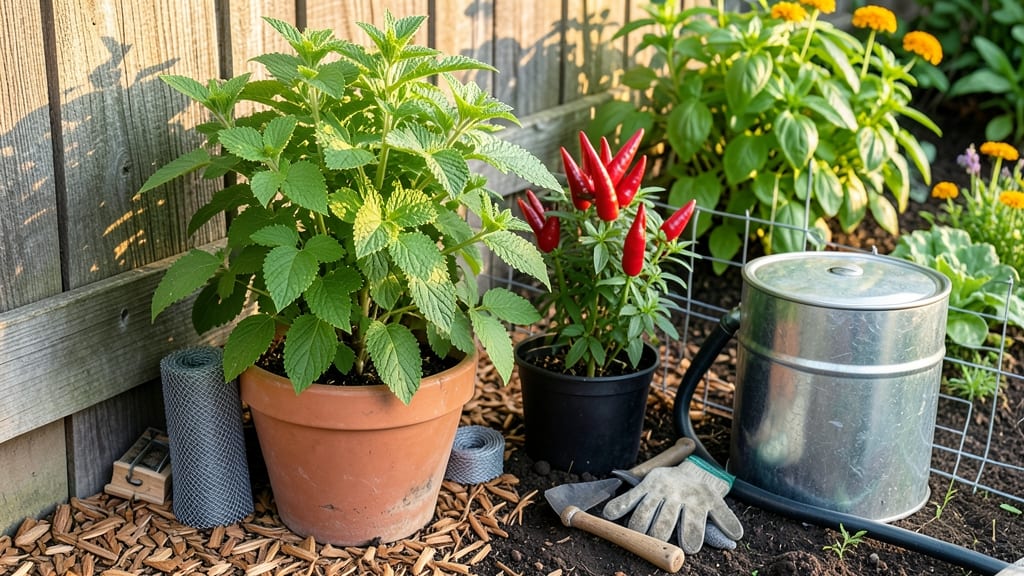
How to get rid of a mouse in your garden—they’re not just stealing seeds, they’re wrecking your soil and spreading disease. 🌱 I’ve had them ruin my strawberry beds twice, and this boiling water and vinegar combo stopped them in their tracks within 48 hours. No traps, no poison, just a fast, humane solution that actually works.
The key is targeting their runways and nesting spots with hot water (not scalding) and vinegar—they hate the smell and the disruption. Most people waste time on fancy repellents when a simple mix of 1 part vinegar to 2 parts hot water poured along their paths does the trick.
It’s cheap, effective, and safe for pets and plants.
By the end of the week, you’ll see fewer droppings, no chewed plants, and mice avoiding your garden entirely. The best part? This method keeps working as long as you refresh it every few days. No more waking up to half-eaten seedlings or tunnels in your compost pile.
Works for vegetable gardens, flower beds, and even under sheds where mice love to nest. The secret is persistence—mice are stubborn, but they learn fast when their favorite hiding spots get disrupted. Let’s make your garden mouse-free for good.
The hidden triggers inviting mice
Mice don’t just wander into your garden by accident—they’re drawn by a mix of shelter, food, and environmental cues. Understanding these triggers is the first step to outsmarting them. Let’s break down the science behind why your garden becomes a mouse magnet.
Mice are nocturnal nest-builders, and your garden may unknowingly offer the perfect hideout. Their ideal shelter meets three key criteria:
- Dry and insulated: Mice seek materials like mulch, leaf litter, or stacked firewood that protect them from predators and temperature swings. A thick layer of shredded bark or unsecured compost piles becomes a five-star hotel.
- Dark and enclosed: Gaps in fences, holes in tree roots, or even the space between a deck and the ground provide thigh-high tunnels for them to nest. They avoid open areas—so if you spot droppings near a specific spot, that’s their HQ.
- Proximity to human activity: Gardens with garages, sheds, or patios are prime real estate. Mice associate these areas with easy access to food scraps and warmth.
Pro Tip: 💡 Conduct a "flashlight audit" at dusk. Shine a light into dark corners, under decks, and near woodpiles. If you see tiny eyes reflecting or rustling, you’ve found their favorite spots.
Mice have an incredible sense of smell—they can detect food sources from up to 30 feet away. Your garden’s "buffet" might include:
| Food Source | Why It Attracts Mice | Mouse Favorite Foods |
|---|---|---|
| Pet food left outdoors | High-protein kibble is like a five-star restaurant to them. | 🐶 Dog/cat food, birdseed |
| Fruit and veggie scraps | Sweet, soft, and easy to carry back to nests. | 🍎 Apples, grapes, corn, tomatoes |
| Compost piles | Decaying organic matter is a smorgasbord of nutrients. | 🥔 Potato peels, citrus rinds, coffee grounds |
| Bird feeders | Spilled seeds create a trail of crumbs leading to nests. | 🌾 Sunflower seeds, peanuts |
Key Insight: Mice prefer high-carb, high-fat foods—think seeds, grains, and fruits. If your garden has even one of these, it’s a red flag.
Mice are opportunistic, and their behavior changes with the seasons. Here’s how:
- Spring: 🌱 Warmer temps + new plant growth = mice scavenge for seeds and sprouts. They also chew on young plants (like lettuce or beans) for nesting material.
- Summer: ☀️ Drought stress forces them to seek moisture-rich areas (like watering hoses or damp mulch). They also raid ripening fruits and veggies.
- Fall: 🍂 Food scarcity drives them to stockpile acorns, nuts, and seeds. They’ll gnaw through garlic, onion, and corn stores in your garden.
- Winter: ❄️ Cold snaps push them into burrows under logs, sheds, or even your house’s foundation. They’ll eat stored seeds and chew insulation for warmth.
Actionable Tip: 🎯 If mice appear suddenly, check for seasonal triggers. For example, if they’re swarming in late summer, it’s likely due to ripe tomatoes or fallen fruit.
Even well-maintained gardens can become mouse hotspots due to human behaviors. Common culprits:
- Poor waste management: Unsecured trash cans or compost bins with loose lids are like neon signs for mice.
- Overwatering: Damp soil and mulch create perfect nesting conditions. Mice avoid dry, cracked earth.
- Landscaping choices: Thick ground covers (like ivy) or dense shrubs provide cover for them to move undetected.
- Ignored entry points: A 1/4-inch gap (the size of a pencil) is enough for a mouse to squeeze in. Check for holes in:
✨ Power Move: Walk your property at night with a flashlight and notepad. Mark every potential entry point—even small ones—and prioritize sealing them first.
Effective Fixes for Mouse Problems
Now that you understand why mice invade your garden, let’s tackle the real issue: how to get rid of them fast and keep them away for good.
Below are targeted solutions based on common causes—whether it’s food temptations, shelter-seeking, or nesting habits. Each method is practical, tested, and designed to work without harmful chemicals.
Mice are scavengers, and if your garden offers easy snacks, they’ll stick around. Here’s how to cut off their food supply:
🔥 Seal Food Sources Immediately
- 👨🍳 Store compost and pet food in metal or thick plastic bins with tight-fitting lids. Mice can chew through thin plastic!
- 🥘 Keep trash cans sealed and take out garbage regularly. Avoid leaving fruit peels, veggie scraps, or fallen nuts in compost piles.
- 🌱 Remove fallen fruits/veggies from plants daily. Mice love overripe tomatoes, berries, and corn cobs.
💡 Prevention Tip:
Spread diatomaceous earth (DE) lightly around food storage areas or compost bins. It’s a natural, non-toxic powder that dehydrates pests on contact. Reapply after rain.
Mice need hiding places—especially in dense shrubs, woodpiles, or gaps in fences. Break their cozy setup with these fixes:
🔪 Eliminate Hiding Spots
- 🌿 Trim dense bushes and tall grass near your home and garden edges. Keep shrubs at least 12 inches away from structures.
- 🪵 Store firewood and mulch at least 18 inches off the ground and 5 feet away from your house.
- 🔧 Seal gaps in sheds, fences, and foundations with steel wool (mice can’t chew through it!) or caulk.
✨ Natural Deterrents
- 🌡️ Peppermint oil spray: Mix 10 drops of peppermint oil with 1 cup of water in a spray bottle. Spray around entry points—mice hate the scent!
- 🎯 Place predator urine granules (like fox or coyote urine) near problem areas. The smell tricks mice into thinking a predator is nearby.
Even a tiny hole (as small as a dime!) can welcome mice into your garden shed or home. Inspect and block access points:
🔧 Close Off Mouse Highways
- 🕵️♂️ Check for holes in walls, vents, and foundations. Use hardware cloth (1/4-inch mesh) to cover gaps—mice can’t squeeze through!
- 🚪 Install door sweeps on sheds and garage doors to block gaps at the bottom.
- 🪟 Cover vents with fine mesh or chicken wire secured tightly.
💡 Pro Tip:
Set up humane traps (like live-catch boxes) near entry points. Place them along walls or in dark corners—mice prefer running along edges. Check traps daily and relocate mice at least 5 miles away.
If mice are already nesting in your garden, you’ll need a stronger approach. Here’s how to use boiling water or vinegar effectively:
🔥 Boiling Water Method (For Active Nests)
- 👨🍳 Locate the nest by listening for scratching at night or spotting droppings.
- 🥘 Pour 1–2 cups of boiling water directly into the nest entrance. This kills mice on contact and deters others.
- ⏰ Repeat every few days until you stop seeing signs of activity.
🍶 Vinegar Trap (Non-Lethal Repellent)
- 🌿 Mix equal parts white vinegar and water in a spray bottle.
- 🎯 Spray around entry points, along fences, and near plants. The strong smell masks attractants and repels mice.
- 💡 Bonus: Add a few drops of citrus or eucalyptus oil to the mix for extra potency.
Combine these methods for the best results. Start with prevention (sealing food and shelter), then use traps or natural repellents. Consistency is key—mice are persistent, but so are you!
Frequently asked questions
Why do mice suddenly appear in my garden in spring?
Spring brings warmer weather and new plant growth, which mice love for both food and nesting material. They're drawn to sprouting seeds, young plants, and damp mulch—perfect for building nests. If you notice them suddenly, check for overripe fruits, fallen seeds, or moist areas near your plants.
Is vinegar safe to use around plants and pets?
Yes! White vinegar is non-toxic to plants and pets when used properly. The strong smell repels mice without harming your garden. Just avoid spraying directly on leaves, and dilute it with water (1:1 ratio) to prevent potential acidity issues with sensitive plants like tomatoes or peppers.
How often should I reapply the boiling water/vinegar treatment?
For best results, refresh the treatment every 3-4 days for the first 2 weeks. Mice are persistent, so consistency is key. After that, weekly maintenance should keep them away. Always check for new nesting signs—if you spot fresh droppings or chewed plants, it's time to treat again.
Will cats or outdoor dogs actually keep mice away?
While cats and dogs can help, they're not foolproof solutions. Mice are nocturnal and excellent at hiding—your pets might catch some, but they won't eliminate the problem. For real protection, combine predator presence with physical barriers (like hardware cloth) and repellents for the best results.
Can I use peppermint oil instead of vinegar?
Peppermint oil is another excellent natural repellent. Mix 10-15 drops with 1 cup of water and spray along fence lines, entry points, and nesting areas. Reapply every 5-7 days or after rain. The strong scent masks attractants and disrupts their trails.